

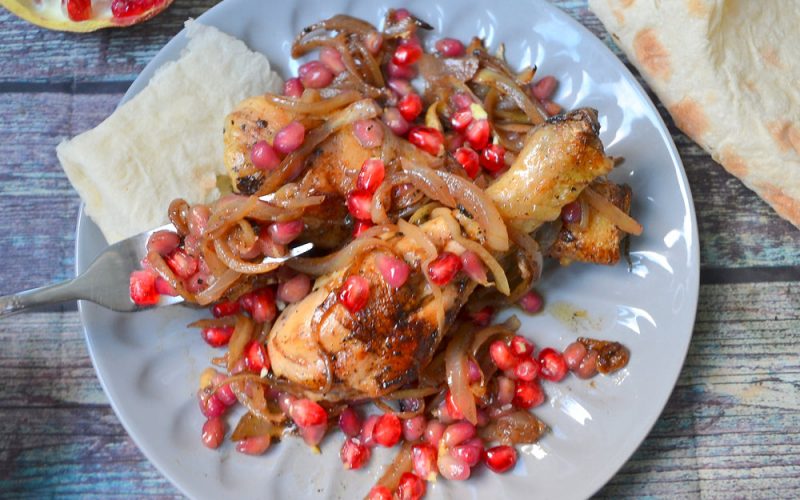
Imagine the aroma of slow-cooked chicken gently filling the kitchen — tender meat simmering in its own juices, mingling with the sweet and tart fragrance of freshly pressed pomegranate. The air is warm with spices, softened onions melting into a rich sauce, and bright ruby seeds glistening like jewels in a copper pan.
This is not just food; it is a memory. In Armenian homes, dishes like Khokhop carry stories of family gatherings, shared laughter, and long conversations around a crowded table. The scent alone can transport someone back to a grandmother’s kitchen, where cooking was an act of love and hospitality.
Khokhop is more than just a dish. It is comfort, tradition, and celebration served on a single plate.
What Is Khokhop?
Khokhop is a traditional Armenian dish made primarily with chicken and pomegranate, slowly cooked with onions, fresh herbs, and aromatic spices. The result is a beautifully balanced combination of savory tenderness and fruity brightness.
The key ingredients are simple yet powerful:
- Chicken, usually cut into portions
- Fresh pomegranate juice or seeds
- Sweet caramelized onions
- Herbs such as parsley or cilantro
- Spices like black pepper and sometimes cinnamon
What makes Khokhop stand out in Armenian cuisine is its harmonious blend of flavors. Armenian cooking is known for combining meat with fruit, but Khokhop is a particularly elegant example of this tradition — where no element overpowers another, and every ingredient plays a clear role.
Why This Dish Deserves Attention Today
In recent years, global interest in Caucasian cuisine has grown significantly, with travelers and food lovers discovering the rich culinary traditions of countries like Armenia. Khokhop perfectly represents this tradition: simple ingredients transformed into something deeply flavorful and comforting.
Its balance of sweet and savory flavors appeals to modern tastes. At a time when fusion cuisine and complex recipes dominate restaurant menus, Khokhop reminds us that a few natural ingredients, treated with care and patience, can create extraordinary depth.
Accessible, authentic, and full of character, this dish deserves a place not only in Armenian kitchens but on tables around the world.
The Origins and History of Khokhop
Armenian cuisine has deep agricultural roots. For centuries, families relied on what they cultivated themselves: grains, vegetables, poultry, and fruit. The mountainous geography and diverse climate of Armenia shaped a culinary culture based on seasonal availability and preservation techniques.
Poultry, especially chicken, has long been a practical and accessible source of protein in rural households. Fruit, including apricots, grapes, and pomegranates, thrived in the fertile valleys. Combining meat with fruit became a natural culinary development, reflecting both resourcefulness and a refined sense of flavor balance.
The climate, with its warm summers and distinct harvest seasons, encouraged dishes that celebrated fresh produce. Khokhop emerged from this environment — a dish that uses everyday ingredients yet expresses the richness of the land.
The Role of Pomegranate in Armenian Culture
The pomegranate holds a special place in Armenian culture. It symbolizes fertility, prosperity, and life. Its image appears in traditional art, church carvings, manuscripts, textiles, and even wedding ceremonies. Breaking a pomegranate during celebrations is a ritual believed to bring good fortune and abundance.
In the kitchen, the fruit’s culinary significance is equally strong. Its juice adds brightness and natural acidity, while its seeds provide texture and color. The deep red hue has become almost synonymous with Armenian identity.
In Khokhop, pomegranate is not merely an ingredient — it is the soul of the dish, reflecting centuries of cultural symbolism and culinary tradition.
When and How Khokhop Became Popular
Khokhop likely developed in traditional rural kitchens, where families cooked what was available from their farms and gardens. It was particularly popular during autumn, when pomegranates were freshly harvested and at their sweetest.
The dish became associated with family celebrations and gatherings — occasions when something slightly special was prepared without requiring rare or expensive ingredients. Slow cooking allowed flavors to deepen while relatives shared stories and bread at the table.
Over time, Khokhop became a symbol of seasonal cooking and hospitality. Though recipes may vary slightly from region to region, the essence remains the same: tender chicken enriched by the vibrant taste of pomegranate, bringing warmth and color to the Armenian table.
Ingredients: The Heart of Khokhop
The foundation of Khokhop begins with the chicken itself. While the dish may seem simple, the quality and cut of the meat significantly influence the final result.
Whole chicken vs. cuts
Traditionally, a whole chicken cut into portions is often used, as it provides a richer, more complex flavor thanks to the combination of white and dark meat. However, thighs and drumsticks are particularly popular because they remain juicy during slow cooking and absorb the pomegranate sauce beautifully.
Bone-in vs. boneless
Bone-in pieces are generally preferred. The bones release collagen and natural flavor into the sauce, creating deeper richness and a silkier texture. Boneless cuts cook faster and are convenient, but they may lack some of the depth that defines authentic Khokhop.
Free-range vs. conventional
Whenever possible, free-range chicken enhances the dish with firmer texture and fuller taste. In a recipe built on just a few core ingredients, quality matters — the more natural and flavorful the chicken, the better the final harmony.
Pomegranate: Fresh vs. Juice
If chicken is the body of Khokhop, pomegranate is its soul.
Using fresh seeds (arils)
Fresh pomegranate arils add both flavor and texture. Their gentle crunch and bursts of tart sweetness create contrast in every bite. They are often added toward the end of cooking or used as a garnish to preserve their brightness.
Freshly squeezed juice
Fresh juice delivers the most vibrant acidity and natural sweetness. It integrates seamlessly into the sauce, balancing the richness of the chicken and onions. The intensity can be adjusted depending on how tart the fruit is.
Store-bought pomegranate juice considerations
When fresh fruit is unavailable, high-quality store-bought juice can be used. It is important to choose pure juice without added sugar or artificial flavoring, as excessive sweetness can overwhelm the dish’s delicate balance.
Supporting Ingredients
Though Khokhop is centered on chicken and pomegranate, its supporting ingredients are essential to its character.
Onions
Onions play a crucial role. Generous amounts are slowly caramelized until soft and golden, forming the sweet base of the sauce. Their natural sugars counterbalance the tartness of the pomegranate and create depth.
Garlic
Garlic adds subtle warmth and aromatic sharpness. It should enhance, not dominate, the overall flavor.
Herbs
Fresh herbs such as cilantro or parsley bring freshness and color. They lighten the richness of the dish and connect it to Armenia’s herb-forward culinary traditions.
Spices
Black pepper is essential, while paprika adds mild warmth and color. Some cooks include a hint of cinnamon or allspice for complexity. The spice profile remains gentle, allowing the fruit and meat to shine.
Optional Additions and Regional Variations
Like many traditional dishes, Khokhop varies slightly depending on region and family preference.
- Walnuts may be added for texture and nutty depth, echoing other Caucasian dishes.
- A splash of red wine can enrich the sauce and deepen its color.
- Chili flakes introduce subtle heat for those who prefer a bolder contrast.
- Some families use local herb blends unique to their village or region, reflecting the diverse landscapes of Armenia.
These variations demonstrate how adaptable Khokhop is while preserving its essential identity.
Flavor Profile: What Makes Khokhop Unique?
The defining characteristic of Khokhop is its perfect sweet-and-sour balance.
The natural tartness of pomegranate provides brightness and acidity without harshness. It cuts through the richness of the chicken and prevents the dish from feeling heavy.
Caramelized onions contribute gentle sweetness, creating a soft counterpoint to the fruit’s tang. Meanwhile, the savory depth of slow-cooked chicken anchors the entire composition.
The result is a flavor that feels layered yet clean — complex but never overwhelming.
Texture Contrast
Khokhop is not only about taste but also texture.
- The chicken becomes tender and succulent after slow cooking.
- The sauce is juicy, slightly thickened by onions and natural reduction.
- Fresh pomegranate seeds add small bursts of brightness and a delicate crunch.
This interplay makes each bite dynamic and satisfying.
Comparison with Similar Dishes
Many Middle Eastern cuisines combine fruit and meat, yet Khokhop maintains its own character. Unlike heavily spiced stews found in parts of the Middle East, Armenian versions tend to be more restrained, allowing the primary ingredients to remain distinct rather than blending into a thick, spice-forward sauce.
Compared to poultry dishes from neighboring Georgia, which often rely on walnut-based sauces, Khokhop feels lighter and more fruit-driven. Georgian cuisine frequently emphasizes creamy nut pastes and bold herb mixtures, while Khokhop highlights clarity and balance.
When placed beside Persian chicken dishes from Iran that use pomegranate molasses and complex spice combinations, Khokhop appears simpler and fresher in structure. Its elegance lies not in intensity, but in harmony.
Through its balance of flavors, textures, and cultural meaning, Khokhop remains a shining example of Armenia’s culinary identity — modest in appearance, yet unforgettable in taste.
Step-by-Step Traditional Khokhop Recipe
- Preparation time: 20 minutes
- Cooking time: 45–60 minutes
- Total time: About 1 hour 20 minutes
- Servings: 4 people
This recipe reflects a classic home-style version of Khokhop — simple, balanced, and deeply comforting.
Ingredient List (with Measurements)
Main ingredients:
- 1 whole chicken (about 1.5 kg / 3–3.5 lb), cut into pieces
or 6–8 bone-in thighs/drumsticks - 2 large onions (about 400 g / 14 oz), thinly sliced
- 2 cloves garlic, minced
- 1½ cups (350 ml / 12 fl oz) fresh pomegranate juice
- ½ cup (80 g / 3 oz) fresh pomegranate seeds (for garnish)
- 2 tablespoons (30 ml) vegetable oil or olive oil
- 1 teaspoon salt (adjust to taste)
- ½ teaspoon freshly ground black pepper
- 1 teaspoon paprika
- 2 tablespoons chopped fresh cilantro or parsley
Optional:
- Pinch of cinnamon
- ¼ teaspoon chili flakes
- ¼ cup (30 g / 1 oz) chopped walnuts
Equipment Needed
- Heavy skillet or Dutch oven (preferably cast iron)
- Sharp knife and cutting board
- Citrus press or juicer (if using fresh pomegranates)
- Wooden spoon or spatula
A heavy-bottomed pan is important to maintain steady heat and prevent burning during caramelization.
Cooking Instructions
Step 1: Preparing the Chicken
Pat the chicken pieces dry with paper towels. Removing excess moisture helps achieve proper browning.
Season generously with salt, black pepper, and paprika on all sides. If time allows, let the chicken rest at room temperature for 15–20 minutes before cooking.
Step 2: Browning the Chicken
Heat the oil in a heavy skillet over medium heat.
Place the chicken skin-side down and cook without moving it for 5–7 minutes until a golden crust forms. This step builds flavor — the caramelized surface adds depth to the final sauce.
Turn and brown the other side for another 4–5 minutes.
Avoid overcrowding the pan, and do not raise the heat too high. Moderate temperature ensures a rich golden color rather than burning.
Remove the chicken and set aside.
Step 3: Caramelizing the Onions
In the same pan, add the sliced onions. Reduce the heat to medium-low.
Cook slowly for 15–20 minutes, stirring occasionally. The goal is soft, golden, and sweet onions — not dark or bitter.
Add minced garlic during the last 1–2 minutes of cooking to prevent it from burning.
Proper caramelization is essential: this sweetness balances the tartness of the pomegranate later.
Step 4: Adding the Pomegranate
Return the browned chicken to the pan.
Pour in the fresh pomegranate juice. The liquid should partially cover the chicken but not fully submerge it.
Taste the sauce. If the juice is very tart, a small pinch of sugar can be added — though traditionally the balance comes from onions alone.
Bring to a gentle simmer.
Step 5: Simmering
Cover partially and cook on low heat for 30–40 minutes.
The chicken should become tender, and the sauce should slightly reduce and thicken.
Check doneness: internal temperature should reach 75°C / 165°F, and juices should run clear when pierced near the bone.
Stir occasionally and adjust seasoning if needed.
Step 6: Final Touches
Sprinkle freshly chopped herbs over the dish just before serving.
Garnish generously with fresh pomegranate seeds for brightness and texture.
Serve warm, allowing the sauce to coat each piece of chicken beautifully.
Serving Suggestions
Khokhop is best enjoyed with classic Armenian accompaniments from Armenia:
- Lavash — soft, thin flatbread used to scoop up sauce
- Steamed rice or fluffy bulgur
- Fresh vegetable salads with tomatoes, cucumbers, herbs, and lemon
The bread plays a special role, soaking up the rich pomegranate sauce.
Beverage Pairings
- Armenian red wine, especially from the renowned Ararat Valley
- Pomegranate wine for a harmonious pairing
- Light herbal tea with thyme or mint
The natural acidity of wine complements the sweet-and-sour profile of the dish.
Presentation Tips
Traditionally, Khokhop is served in a clay or cast-iron dish to retain warmth.
For an authentic feel:
- Scatter extra pomegranate seeds on top
- Add a few sprigs of fresh herbs
- Serve family-style in the center of the table
Armenian meals are communal, emphasizing sharing and hospitality rather than individual plating.
Nutritional Value and Health Benefits
Chicken provides high-quality protein essential for muscle repair and overall health. Bone-in cuts also contribute collagen when slowly cooked.
Antioxidants from Pomegranate
Pomegranate is rich in antioxidants, particularly polyphenols, which help reduce inflammation and support heart health. Its natural acidity also aids digestion.
Balanced Macronutrients
Khokhop offers a balanced combination of:
- Protein from chicken
- Natural carbohydrates from onions and pomegranate
- Moderate healthy fats (depending on cooking oil used)
When served with whole grains like bulgur, it becomes a well-rounded meal.
Tips for a Lighter Version
- Remove chicken skin before cooking
- Use minimal oil
- Increase fresh herbs for brightness without extra calories
- Serve with a large fresh salad instead of rice
Khokhop demonstrates that traditional cuisine can be both comforting and nourishing — a dish rooted in history, shaped by culture, and perfectly suited to modern tastes.
Common Mistakes to Avoid
Even though Khokhop is a relatively simple dish, a few common mistakes can affect its balance and texture.
Using Overly Sweet Juice
One of the most frequent errors is choosing pomegranate juice with added sugar. Khokhop depends on the natural tartness of pomegranate to balance the sweetness of caramelized onions. If the juice is too sweet, the dish loses its characteristic sweet-and-sour harmony.
Always use 100% pure pomegranate juice, ideally freshly squeezed. The flavor should be bright and slightly sharp, not syrupy.
Skipping Proper Browning
Browning the chicken is not just a cosmetic step — it builds the foundation of flavor.
If the meat is simply simmered without forming a golden crust, the final dish may taste flat. Proper browning creates caramelized notes that deepen the sauce. Cook over moderate heat and avoid turning the chicken too early.
Overcooking the Chicken
Slow cooking is essential, but overcooking can make the chicken dry and stringy.
Simmer gently and check doneness around the 30–40 minute mark. Bone-in pieces stay moist longer, which is why they are traditionally preferred in Armenian kitchens in Armenia.
Unbalanced Seasoning
Because Khokhop uses few ingredients, seasoning must be precise. Too much salt can overpower the delicate fruit notes, while too little spice can make the dish taste dull.
Taste the sauce before serving and adjust salt, pepper, or acidity if needed. The final flavor should feel layered but clean.
Variations of Khokhop
Like many traditional dishes, Khokhop adapts easily to modern preferences and dietary needs.
Vegetarian Adaptation
For a plant-based version, replace chicken with:
- Roasted eggplant
- Mushrooms (especially portobello or cremini)
- Cauliflower steaks
The cooking method remains similar: brown the vegetables first, then simmer gently in pomegranate sauce with caramelized onions. Walnuts can be added to enhance richness and texture.
Oven-Baked Version
Instead of simmering on the stovetop, Khokhop can be finished in the oven.
After browning the chicken and preparing the onions, combine everything in a covered baking dish and cook at 180°C / 350°F for 35–45 minutes.
This method ensures even cooking and allows the sauce to reduce gently without constant supervision.
Slow-Cooker Method
For convenience, Khokhop adapts well to a slow cooker.
- Brown the chicken and onions separately for best flavor.
- Transfer to the slow cooker with pomegranate juice.
- Cook on low for 4–6 hours or on high for 2–3 hours.
The result is extremely tender chicken and a well-developed sauce — ideal for busy schedules.
Spicy Variation
For those who prefer more heat, add:
- Chili flakes
- Fresh red chili
- A touch of smoked paprika
This variation introduces a gentle warmth without masking the essential sweet-and-sour character.
Khokhop in the Modern Kitchen
Despite its traditional roots, Khokhop fits perfectly into modern life. Using chicken thighs and store-bought pure pomegranate juice can reduce preparation time significantly.
With efficient preparation, the dish can be on the table in about an hour — making it suitable even for weeknight dinners.
Scaling for Large Gatherings
Khokhop is naturally suited to communal dining. For larger groups:
- Use multiple pans to ensure proper browning
- Avoid overcrowding, which can cause steaming instead of searing
- Keep finished portions warm in a low oven
This makes it ideal for holidays, celebrations, and family-style meals — a tradition deeply rooted in Armenian culture.
Meal Prep and Storage Tips
Khokhop stores well and often tastes even better the next day as the flavors deepen.
- Refrigerate in an airtight container for up to 3 days
- Store sauce separately if possible to maintain texture
- Freeze for up to 2 months (without fresh herb garnish)
Add fresh pomegranate seeds only before serving to preserve their texture.
Reheating Without Drying Out
To prevent dryness:
- Reheat gently on the stovetop over low heat
- Add a small splash of water or pomegranate juice if the sauce has thickened too much
- Cover while reheating to retain moisture
Avoid microwave reheating on high power, as it can toughen the chicken.
Khokhop demonstrates how a traditional Armenian dish can move effortlessly from rural kitchens to contemporary homes. Its balance of simplicity and depth ensures that it remains relevant — whether prepared for a festive gathering or a quiet dinner at home.
Why Khokhop Represents Armenian Culinary Identity
Khokhop is more than a traditional chicken dish — it is a reflection of the culinary soul of Armenia. Its simplicity speaks to rural agricultural roots, where families cooked from what they grew and raised. Its balance of fruit and meat reflects a deep understanding of flavor harmony developed over centuries.
The use of pomegranate — a symbol of life, abundance, and continuity — connects the dish to Armenian history, art, and celebration. In Khokhop, ingredients are not masked by heavy sauces or excessive spices. Instead, they remain clear and expressive, much like Armenian cuisine itself: honest, seasonal, and deeply tied to the land.
It embodies hospitality, warmth, and the tradition of gathering around a shared table — values central to Armenian culture.
Encouragement to Try Cooking It at Home
Khokhop may sound exotic, but it is surprisingly accessible. With just a few fresh ingredients and careful technique, anyone can recreate its distinctive sweet-and-sour harmony at home.
You do not need advanced culinary skills — only patience, attention to balance, and a willingness to let simple ingredients shine. Cooking Khokhop is not only about preparing a meal; it is about experiencing a piece of Caucasian culinary heritage in your own kitchen.
Whether for a quiet family dinner or a special gathering, it offers both comfort and elegance on the same plate.
Final Reflection on Taste, Tradition, and Heritage
The taste of Khokhop lingers long after the last bite — tender chicken infused with tart pomegranate, softened by sweet onions and bright herbs. It is a flavor that feels both vibrant and comforting, complex yet natural.
More importantly, Khokhop carries tradition forward. Each time it is prepared, it connects past and present — rural kitchens and modern homes, seasonal harvests and contemporary tables.
In every spoonful, there is history. In every shared serving, there is community.
Khokhop reminds us that food is not only nourishment, but memory, identity, and heritage preserved through taste.
To truly understand the heart of Armenian cuisine, you must taste it where its traditions live and breathe — so come visit us and experience authentic Khokhop prepared with care, heritage, and hospitality.





18 Responses
1eegame definitely stands out. The login is straightforward, and I’ve had some enjoyable sessions. Give it a whirl! 1eegame
Looking for where to download Naya24 safe and sound? Well this is it: naya24download. It’s safe and fast, gets you right to the game and it’s a quick download: naya24download
Been spending way too much time on pk33game lately! It’s addictive, plain and simple, but fun. I also hear they’re always adding new games. It’s got my vote!: pk33game
Hey guys, just found this site vnkv999 and it’s pretty cool. Lots of action and easy to navigate. Give it a try! vnkv999
Winmxslots, baby! If you’re looking for some killer slots action, this is the place. Huge selection and some decent jackpots. Good luck! winmxslots
VN666TV, sounds intriguing. I’m looking for a new spot to chill and play. Let’s see if this one delivers. Hope the odds are in my favour! Give it a look vn666tv
[8899]68win | Link Vào Chính Thức – Game Bài Đổi Thưởng Uy Tín Số 1,68win cung cấp link vào chính thức không bị chặn. Tải app apk nhanh chóng để trải nghiệm game bài đổi thưởng và nạp tiền qua Momo tiện lợi. Truy cập ngay! visit: 68win
[8371]merlincasino | Link Vào Chính Thức và Cách Nạp Tiền Nhanh Chóng,merlincasino cung cấp link vào chính thức, hướng dẫn tải app APK và chia sẻ kinh nghiệm chơi slot game hiệu quả. Khám phá ngay thế giới giải trí đẳng cấp tại đây! visit: merlincasino
[781]7i77 Official Login | বিকাশ দিয়ে সেরা অনলাইন ক্যাসিনো বোনাস,7i77 অ্যাপ ডাউনলোড করে সবচেয়ে জনপ্রিয় স্লট গেম খেলুন। বিকাশ দিয়ে সহজ পেমেন্ট এবং আকর্ষণীয় বোনাস সুবিধা নিয়ে আজই জয়েন করুন। visit: 7i77
Just wanted to share how much I enjoy playing here. The games are well curated and the payout ratios feel completely fair. A trustworthy site that has earned my regular visits. cobingoonline
[6441]Fantasino Official Login | সেরা স্লট গেমস ও দ্রুত বিকাশ পেমেন্ট,fantasino অফিশিয়াল লগইন করে সেরা স্লট গেমস উপভোগ করুন। দ্রুত বিকাশ পেমেন্ট এবং রুলেট খেলার সহজ নিয়ম জানতে আজই অ্যাপটি ডাউনলোড করুন। visit: fantasino
Solid performance and very reliable service. The slot games are fair and the rewards are generous. I’m definitely sticking with armorbet78slot for a long time.
Such a fun atmosphere and the games are so addictive in a good way. I always have a blast on jilibeeonlinecasino.
Finally found a site that actually pays out quickly without a million questions. The customer support team is also very helpful and friendly. Highly recommend bdviptaka23 to everyone.
This place has the best variety of games I have seen in a long time. Every spin feels exciting. Give slotpiala88 a go
The app version is just brilliant. It is way more intuitive than the web version and works like a charm. Definitely download bd7u7app if you want a better experience.
I was skeptical at first but the big wins are real here. The site is stable and doesn’t lag during peak hours. Big thumbs up for 389win55.
I finally found a casino app that actually runs smoothly on my phone. The login is super quick and the customer support feels like talking to a friend who genuinely wants you to win. Give it a shot and let me know what you think about the live tables. sportiumappandroid