

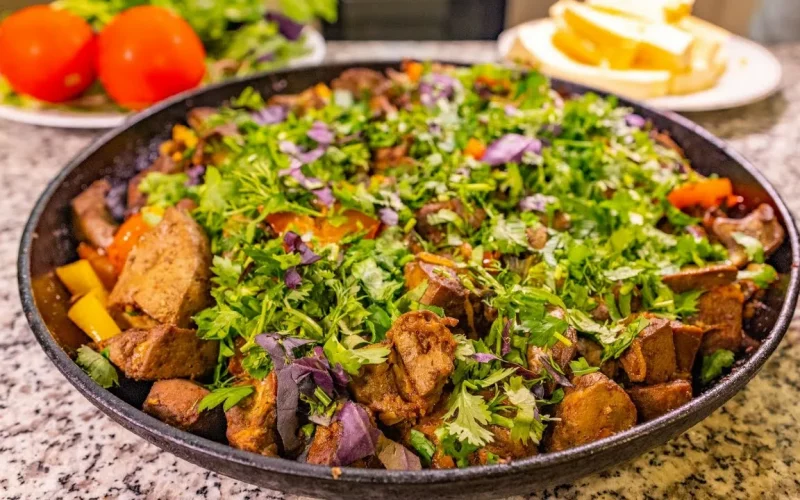
In recent years, traditional cuisines from around the world have been gaining global attention. As diners grow more curious and adventurous, there is a renewed appreciation for authentic, heritage-driven dishes that tell a story beyond the plate. From farm-to-table movements to nose-to-tail cooking, people are rediscovering the value of culinary traditions rooted in history and sustainability.
Among these rich yet underexplored food cultures is Armenian cuisine — one of the oldest in the world. With influences shaped by geography, trade routes, and centuries of history, Armenian food is deeply flavorful, rustic, and soulful. Yet many of its most authentic dishes remain relatively unknown outside the region.
One such hidden gem is Tzhvzhik — a bold and hearty dish made from offal. At its core, Tzhvzhik is a sautéed or stewed mixture of organ meats, prepared with onions, spices, and herbs.
What makes this dish stand out is not just its intense flavor, but its cultural depth. It represents a philosophy of cooking that values every part of the animal, transforming humble ingredients into something deeply satisfying.
In this article, you will discover:
- what Tzhvzhik is and how it is made
- its historical and cultural roots
- why offal dishes like this are making a comeback
- how it has evolved in modern cuisine
What Is Tzhvzhik?
Tzhvzhik (pronounced roughly as “jv-jik”) is a traditional Armenian dish made primarily from sautéed or stewed organ meats.
Core Concept
The essence of Tzhvzhik lies in its simplicity and resourcefulness. It is typically prepared using a mix of:
- liver
- heart
- lungs
- sometimes kidneys or spleen
These ingredients are chopped into small pieces, fried with onions, and then gently cooked until tender and flavorful.
Key Ingredients
The classic recipe includes:
- assorted offal (main component)
- onions (used generously)
- salt and black pepper
- fresh herbs like cilantro or parsley
- tomatoes or tomato paste (optional, depending on the variation)
- fat or oil for cooking
Texture, Aroma, and Flavor Profile
Tzhvzhik is known for its:
- rich, savory depth
- intense, meaty aroma
- varied textures (soft liver, firmer heart, slightly spongy lungs)
- subtle sweetness from caramelized onions
It is a dish that embraces boldness rather than masking flavors — ideal for those who appreciate honest, traditional cooking.
Comparison with Other Offal Dishes
Globally, Tzhvzhik shares similarities with other offal-based dishes, such as:
- Scottish haggis
- French sautéed liver dishes
- Middle Eastern fried liver recipes
However, Tzhvzhik stands apart due to its minimalism and emphasis on the natural taste of the ingredients, without heavy sauces or complex techniques.
Historical and Cultural Background
Origins of Tzhvzhik
Tzhvzhik has its roots in rural Armenian life, where cooking was shaped by necessity and practicality. In traditional villages, wasting food was not an option, and every part of the animal was used.
This gave rise to a “nose-to-tail” approach long before it became a modern culinary trend. Organ meats were not seen as inferior — they were valued for their nutrition and availability.
Livestock played a crucial role in Armenian households, providing:
- meat for sustenance
- dairy products
- labor and economic stability
As a result, dishes like Tzhvzhik became essential, combining efficiency with flavor.
Cultural Significance
Traditionally, Tzhvzhik was prepared:
- at home in family kitchens
- during communal meals
- after livestock slaughter, when offal was freshest
It carries strong associations with:
- family gatherings
- shared cooking traditions
- generational knowledge passed down orally
More than just a dish, Tzhvzhik symbolizes:
- resourcefulness
- respect for food
- culinary ingenuity
It reflects a cultural mindset where skill and care matter more than expensive ingredients.
Evolution Over Time
Over time, Tzhvzhik has transformed from a necessity-driven meal into a recognized part of Armenia’s culinary heritage.
Today, it can be found:
- in traditional Armenian restaurants
- in modern гастрономic reinterpretations
- on menus that celebrate authentic regional cuisine
Contemporary chefs often experiment by:
- refining textures and presentation
- incorporating sauces or wine reductions
- serving it as a gourmet appetizer
Despite these innovations, the traditional version remains a powerful symbol of authenticity and cultural identity.
Tzhvzhik is a perfect example of how humble origins can evolve into something globally appreciated — without losing its soul.
Ingredients Breakdown
Traditional Ingredients
At the heart of Tzhvzhik lies a short but powerful list of ingredients, each contributing to its distinctive depth and character:
- Liver (beef or lamb) – the primary component, delivering richness and a slightly mineral flavor
- Heart and lungs – optional in some modern versions, but essential in traditional recipes for added texture and complexity
- Onions – used generously, they balance the intensity of the offal with natural sweetness
- Fresh herbs (cilantro, parsley) – bring brightness and freshness to the dish
- Spices – typically simple:
- salt
- black pepper
- occasionally paprika for mild warmth
The beauty of Tzhvzhik lies in this minimalism — no ingredient is wasted, and each one plays a clear role.
Optional Variations
While the traditional recipe is quite straightforward, many variations exist depending on region, household, or personal taste:
- Tomatoes or tomato paste – add acidity and a slight sweetness, softening the strong flavor of organ meats
- Garlic – enhances aroma and adds depth
- Chili peppers – for those who prefer a spicy kick
- Butter or vegetable oil – butter adds richness, while oil keeps the dish lighter
These additions don’t change the identity of Tzhvzhik, but they can make it more approachable for those new to offal dishes.
Ingredient Quality Tips
Because Tzhvzhik relies heavily on organ meats, ingredient quality is absolutely crucial.
How to Select Fresh Offal
- Choose offal that is:
- bright in color (deep red for liver, dark but clean for heart)
- moist but not slimy
- free of strong or unpleasant odors
- Whenever possible, buy from a trusted butcher rather than pre-packaged sources
Importance of Freshness
Freshness directly affects:
- flavor (fresh offal tastes cleaner and less bitter)
- texture (older offal becomes tough and grainy)
- aroma (fresh ingredients reduce the “metallic” smell)
Cleaning and Handling Tips
- Rinse thoroughly under cold water
- Remove membranes, veins, and excess fat
- Soak liver briefly in cold water or milk (optional) to mellow its flavor
- Keep everything chilled until cooking
Proper preparation is what transforms Tzhvzhik from a “challenging” dish into a refined and enjoyable experience.
Step-by-Step Cooking Process
Preparation
Before cooking begins, careful preparation ensures the best results:
- Clean and trim the offal
Remove connective tissue, tough membranes, and any impurities. - Cut into uniform pieces
Dice all meats into small, even chunks (about bite-sized).
This ensures:- even cooking
- balanced texture in every bite
Consistency is key — uneven cuts lead to overcooked liver and undercooked heart.
Cooking Method
The cooking process is simple but requires attention to timing.
Step 1: Sauté the Onions
- Heat oil or butter in a pan over medium heat
- Add sliced onions
- Cook until soft and lightly golden
This forms the sweet, aromatic base of the dish.
Step 2: Add Offal in Stages
Not all organ meats cook at the same rate:
- Start with heart and lungs (they take longer)
- Cook for several minutes until they begin to soften
- Add liver last, as it cooks quickly
Step 3: Control Cooking Time
- Avoid overcooking — especially the liver
- Overcooked liver becomes:
- dry
- grainy
- bitter
The goal is tender, juicy pieces with no toughness.
Step 4: Seasoning
- Add salt and black pepper during cooking
- Adjust gradually rather than all at once
- If using paprika or chili, incorporate at this stage
Final Touches
The final steps elevate the dish from rustic to memorable:
- Add fresh herbs just before removing from heat
- Taste and adjust seasoning
- Let the dish rest for a few minutes before serving
This short resting period allows flavors to settle and intensify.
Flavor Profile and Culinary Experience
Tzhvzhik is not a subtle dish — it is bold, expressive, and deeply rooted in tradition.
Taste
The flavor can be described as:
- rich and savory
- earthy
- slightly metallic (especially from the liver)
- balanced by sweetness from onions and freshness from herbs
For those familiar with offal, it’s deeply satisfying. For newcomers, it can be surprising — but rewarding.
Texture
One of the most interesting aspects of Tzhvzhik is its textural diversity:
- liver – soft and creamy
- heart – firm and slightly chewy
- lungs – light and airy
This contrast creates a dynamic eating experience in every bite.
Aroma and Visual Appeal
- The aroma is intense and meaty, with herbal notes
- Visually, the dish is rustic:
- deep brown tones
- glossy finish from cooking fat
- bright green herbs on top
It may not be refined in appearance, but it is undeniably appetizing.
Why It Can Be Challenging for First-Time Eaters
Tzhvzhik can be intimidating due to:
- the idea of eating organ meats
- its strong aroma
- unfamiliar textures
However, those who approach it with an open mind often discover:
- a new appreciation for traditional cooking
- complex flavors rarely found in modern processed foods
In many ways, Tzhvzhik is not just a dish — it’s an experience that challenges expectations and expands culinary horizons.
Nutritional Value
Tzhvzhik is not only rich in flavor — it is also highly nutritious, especially due to its use of organ meats.
High Protein Content
Organ meats are an excellent source of high-quality protein, essential for:
- muscle growth and repair
- overall body function
- long-lasting satiety
This makes Tzhvzhik a very filling and energy-dense dish.
Rich in Iron and Vitamins
One of the biggest advantages of offal is its micronutrient density:
- Iron – especially abundant in liver, helping prevent anemia
- Vitamin B12 – crucial for nerve function and red blood cell production
- Vitamin A – supports vision and immune health
- Other B vitamins – contribute to metabolism and energy levels
Benefits of Organ Meats
Compared to standard muscle meat, organ meats often contain:
- higher nutrient concentrations
- essential minerals like zinc and copper
- unique compounds beneficial for overall health
This is why many traditional diets valued them so highly.
Considerations (Moderation Matters)
Despite the benefits, there are a few things to keep in mind:
- Cholesterol levels can be high, particularly in liver
- Overconsumption may not be suitable for certain diets
- Best enjoyed in moderation as part of a balanced diet
Regional Variations
Like many traditional dishes, Tzhvzhik varies depending on geography and cultural context.
Differences Across Armenian Regions
- Some regions favor lamb offal, others prefer beef
- Spice levels and herb usage can differ
- Certain areas include tomatoes, while others stick to a more minimal version
Urban vs Rural Versions
- Rural cooking tends to be more traditional:
- full use of multiple organs
- simpler seasoning
- Urban versions may:
- reduce the variety of offal
- incorporate modern ingredients like tomato paste or garlic
Diaspora Adaptations
In Armenian communities abroad (e.g., Lebanon, Russia, USA), Tzhvzhik has evolved:
- Adjusted to locally available ingredients
- Often made milder for broader appeal
- Sometimes presented in more “refined” or restaurant-style formats
These adaptations help preserve the dish while making it accessible to new audiences.
How Tzhvzhik Is Served
Traditional Serving Style
Tzhvzhik is typically served:
- hot and freshly cooked
- in a simple dish or pan
- as a main course or hearty side
It’s meant to be shared, often placed at the center of the table.
Common Accompaniments
- Lavash bread – soft, thin flatbread used to scoop up the dish
- Fresh herbs – cilantro, parsley, green onions
- Pickled vegetables – add acidity and contrast
These sides balance the richness of the offal and enhance the overall experience.
Pairing Suggestions
Non-alcoholic:
- herbal teas
- mineral water
- lightly fermented drinks
Traditional options:
- Armenian compote (fruit drink)
- yogurt-based drinks like tan
The goal is to complement — not overpower — the bold flavors of the dish.
Tips for First-Time Cooks
Overcoming Hesitation with Offal
If you’re new to organ meats:
- start with liver only
- choose fresh, high-quality ingredients
- cook in small batches to build confidence
Beginner-Friendly Substitutions
- Use only liver and heart (skip lungs if unavailable)
- Add tomatoes to soften the flavor
- Increase onions for sweetness
Common Mistakes to Avoid
- Overcooking (especially liver → dry and bitter)
- Under-seasoning (results in flat flavor)
- Poor cleaning/prep (affects taste and texture)
Simplified Version
For beginners:
- Sauté onions
- Add diced liver
- Season well
- Finish with herbs
This version keeps the essence while being easier to execute.
Modern Interpretations
Restaurant-Style Plating
Modern chefs elevate Tzhvzhik by:
- serving it in small portions
- using elegant plating techniques
- pairing with sauces or purées
Fusion Cuisine Adaptations
Tzhvzhik is increasingly used in fusion dishes:
- as a filling for wraps or tacos
- combined with international spices
- served alongside non-traditional sides
Street Food and Casual Dining
In some settings, it appears as:
- quick pan-fried street food
- sandwich or flatbread filling
- casual comfort dish
This versatility helps introduce it to younger generations.
Comparison with Similar Dishes Worldwide
Tzhvzhik belongs to a broader global tradition of offal-based cooking.
Regional Comparisons
- Georgian cuisine – similar rustic offal stews
- Turkish cuisine – fried liver dishes with spices
- Middle Eastern cuisine – sautéed organ meats with herbs and onions
European Parallels
- French liver dishes
- Eastern European organ meat stews
Key Differences
What makes Tzhvzhik unique:
- simplicity of preparation
- minimal seasoning
- focus on natural flavors rather than sauces
It’s less about technique and more about ingredient respect.
Sustainability and Nose-to-Tail Eating
Tzhvzhik perfectly embodies sustainable cooking principles.
Ethical Cooking Practices
- Uses parts of the animal often discarded
- Honors the idea of full utilization
Reducing Food Waste
By cooking with offal:
- less food is wasted
- more value is extracted from each animal
Global Revival
Today, chefs and food movements are rediscovering:
- nose-to-tail philosophy
- traditional recipes like Tzhvzhik
- sustainable approaches to meat consumption
This makes the dish not only traditional, but highly relevant today.
Frequently Asked Questions (FAQ)
Is Tzhvzhik safe to eat?
Yes — when prepared properly with fresh ingredients and cooked thoroughly, it is completely safe.
What does it taste like?
It is rich, savory, slightly earthy, and mildly metallic, with sweetness from onions and freshness from herbs.
Can I make it without certain organs?
Absolutely. Many people use only liver or a mix of liver and heart.
How long does it keep?
- Refrigerated: up to 2–3 days
- Best consumed fresh
Can it be frozen?
Yes, but:
- texture may change slightly
- best reheated gently to avoid dryness
Tzhvzhik is a dish that truly stands out — not because it is complex, but because it is honest, bold, and deeply rooted in tradition. It represents a style of cooking that values resourcefulness, respect for ingredients, and the ability to create something meaningful from simplicity.
Exploring Tzhvzhik is more than trying a new recipe — it’s an invitation to experience Armenian culture through its food.
For those willing to step outside their comfort zone, it offers a rewarding culinary journey filled with rich flavors and history. And in a world increasingly focused on sustainability and authenticity, dishes like Tzhvzhik remind us that sometimes, the oldest traditions have the most to offer.
If you truly want to understand the depth and soul of Armenian cuisine, there’s only one real way—come to Armenia and experience Tzhvzhik for yourself, fresh, authentic, and shared at a welcoming table.





27 Responses
luk88 club, ah yeah, that’s the real deal! Great community of players. Plenty of promotions running so grab some free bets while you are here! You can check it out with luk88 club
Grabbed the b66 club apk, installation was a breeze. Let’s see what it’s all about! Grab your apk here: b66 club apk
Real talk, suporte playpix is on point. Answered my questions fast and got me back in the game ASAP. You can rely on them if you run into any problems. They’re there to help. That support is clutch: suporte playpix
[2756]reelsgrande | Link Vào Chính Thức và Cách Nạp Tiền Nhanh Chóng,reelsgrande cung cấp link truy cập an toàn, hướng dẫn tải app APK tiện lợi cùng bí kíp chơi slots và baccarat hiệu quả. Khám phá ngay để trải nghiệm đẳng cấp casino! visit: reelsgrande
Just wanted to drop a quick note saying how impressed I am with this site. The game lobby is well organized and finding your favorites is super quick. I really like how they run weekly tournaments with decent prize pools. Customer service always treats you like a valued member. Really enjoy my time here. thzoniix
This place really knows how to keep players engaged with their daily promotions and bonus structure. I logged in last Friday and the welcome package matched my deposit perfectly. The payment methods are flexible and I never wait long for my transfers to clear. Highly recommended for anyone chasing a fair shake at the tables. betboxzone
The name says it all since the jackpot opportunities here are seriously massive. I love how the site organizes everything so you can find your favorite games without hunting around. Safe payments and friendly staff make this my daily stop. megaslotolink
The community here is awesome and the games are always updated. If you want a reliable platform, go with cr777game.
The graphics are top notch and the gameplay is very immersive. It feels like a premium casino experience from home. Love zx999game.
I’ve been playing here for a while now and the interface is super smooth. Definitely one of the best spots to hang out and win big. Check out marvel77login for a great experience!
Really loving the game variety here. I had a great run last night and the bonuses are actually worth it. Check out pk888gj if you want a fun experience.
[8903]888p লগইন ও অ্যাপ ডাউনলোড | বিকাশ দিয়ে ক্যাসিনো ডিপোজিট,888p login করার নিয়ম এবং অ্যান্ড্রয়েড ক্যাসিনো অ্যাপ ডাউনলোড করুন খুব সহজেই। এখানে অনলাইন স্লট গেম খেলার নিয়ম জেনে আজই জয়েন করুন। visit: 888p
Great experience so far. The rewards system is fair and the community seems really active. Definitely my new favorite spot. Explore wingdas6.
The customer support team is top notch. I had a small issue with my deposit and they fixed it within minutes. 9gldcasino is definitely my new favorite go-to.
The bonuses here are actually worth it unlike other sites I tried. Had a great run last night! Give br76nbet a shot.
The login is secure and the page loads fast on my mobile. I prefer using this over others because it just works every time without crashing. 76xbetlogin
Honestly the best slot experience I’ve had recently. The games load quickly and I’ve had some decent wins today. Highly recommend checking it out if you love slots. naga169slot
Finally found an app that doesn’t lag during the big wins. The installation was a breeze and the game variety is top notch. Highly recommend for mobile players. Visit pkwa777gameapk
I’ve tried a few platforms lately and this one is definitely smoother than the rest. The login process is quick and the games load fast. Highly recommend 42vipphlogin for anyone looking for a reliable spot.
The app is surprisingly lightweight and doesn’t drain my battery. I love how easy it is to navigate through the different sections. A must-have for mobile users. Try bossjiliapp.
The bonuses here are actually generous and not just bait. I managed to win a decent amount today. Cheers to the team at phjl93.
A wonderful platform with a lot of bonuses for new players. I felt welcomed from the moment I signed up. Check out idistanaimpian1
The rewards system here is actually generous. I managed to get a decent bonus just by signing up. It is a great place for both new and pro players. idkayaraya
The betting options here are top notch. I feel much more confident playing on this site. Big shoutout to vn89bet9com for the great service!
The VIP perks here are actually worth it. I feel like a valued player and the special events are always exciting. Great job 2uuu88vip!
Really impressed with the variety of games available here. It’s definitely one of the top choices for players in the Philippines. Check out phpin777 if you want some real action.
[5839]pjok login এবং অ্যাপ ডাউনলোড | বিকাশ দিয়ে অনলাইন ক্যাসিনো,pjok এ লগইন করে রিয়েল মানি স্লট গেমস এবং অনলাইন রুলেট খেলার নিয়ম জানুন। বিকাশ দিয়ে অনলাইন ক্যাসিনো গেম উপভোগ করতে আজই অ্যাপ ডাউনলোড করুন। visit: pjok