

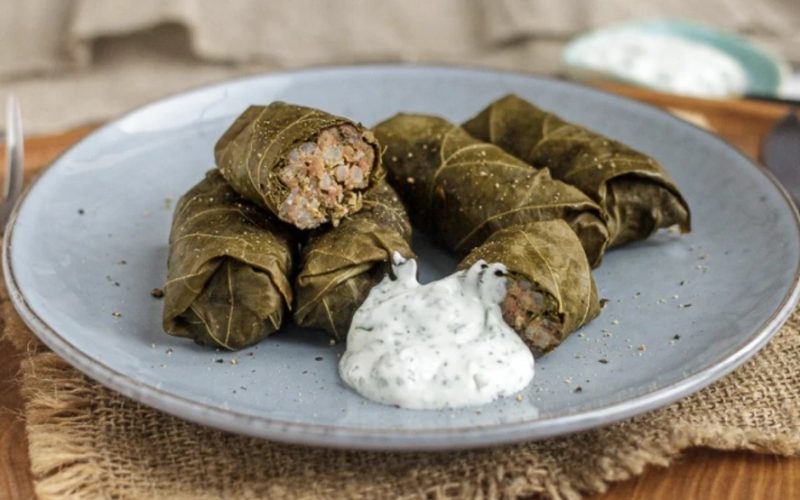
What Is Dolma?
Dolma is a traditional dish that has traveled across centuries, regions, and cultures, yet remains deeply rooted in the culinary traditions of the Middle East, the Caucasus, and beyond. At its core, dolma refers to vegetables, leaves, or sometimes meats that are stuffed with a flavorful mixture of rice, herbs, and occasionally minced meat. The term itself comes from the Turkish word dolmak, meaning “to fill” or “to stuff,” which reflects the essence of the dish: carefully prepared ingredients encased in a wrapper of some kind, whether it be grape leaves, cabbage, peppers, or eggplants.
What makes dolma particularly fascinating is its cultural versatility. While the technique of stuffing ingredients is common throughout the region, the recipes, seasonings, and presentation vary significantly from one country to another. In Turkey, Greece, and the Levant, dolma may be tangy with lemon or heavily spiced, while in Azerbaijan and Armenia, the flavors tend to reflect local herbs, regional meats, and centuries-old family traditions. Dolma is more than just food—it is a culinary symbol of history, migration, and shared heritage, often serving as a centerpiece during family gatherings, festive celebrations, and ceremonial occasions.
Why Dolma Matters in Armenian Culture
In Armenia, dolma is not simply a dish; it is a cultural emblem, representing resilience, hospitality, and communal life. Historically, Armenia’s location at the crossroads of Asia and Europe allowed it to absorb influences from Persian, Ottoman, and Caucasian cuisines, yet Armenian dolma has maintained a distinctive identity. The dish often features grape leaves, cabbage, peppers, and zucchini stuffed with rice, fresh herbs, and minced lamb or beef, seasoned with unique Armenian herbs such as tarragon, mint, and dill.
Dolma holds a special place in Armenian celebrations and family traditions. It is frequently prepared for holidays, weddings, and religious events, reflecting a shared sense of community. The process of making dolma is often a family affair: multiple generations gather to roll leaves, stuff vegetables, and layer pots—a practice that strengthens family bonds and preserves culinary heritage. Beyond the familial aspect, dolma embodies a symbolic connection to Armenian land and agriculture, emphasizing the importance of fresh, local ingredients.
In essence, Armenian dolma is both a dish and a cultural narrative, telling stories of survival, tradition, and identity through its flavors and preparation methods.
Purpose and Scope of the Article
This article focuses specifically on Armenian dolma, exploring its origins, symbolism, and regional variations. While dolma exists across the Middle East and the Caucasus, Armenian dolma is distinctive in its preparation, ingredients, and ceremonial significance. By examining the nuances that set Armenian dolma apart, this article aims to:
- Illuminate the historical roots of dolma in Armenian culture.
- Explore the symbolism and cultural meaning of dolma in family and community life.
- Highlight regional variations within Armenia and how these reflect local traditions and ingredients.
- Compare Armenian dolma to its neighboring counterparts, showing how subtle differences in herbs, fillings, and techniques create a unique culinary identity.
Through this exploration, readers will gain a deeper understanding of why dolma is more than just a dish in Armenia—it is a living representation of Armenian culture, heritage, and gastronomy.
Historical Origins of Dolma
Dolma in Ancient Civilizations
The concept of dolma—stuffing vegetables or leaves with grains, herbs, or meat—has roots stretching back thousands of years. Early agricultural societies discovered the practical and flavorful potential of grape leaves, cabbage, and other edible greens. These civilizations cultivated grapes not only for wine but also for their versatile leaves, which could serve as natural wrappers for fillings.
In Mesopotamia and surrounding regions, cooking traditions included wrapping grains and meats in leaves or hollowed vegetables as a method of preservation and flavor enhancement. These techniques reflect an ingenious combination of practicality and taste, as the wrapping helped retain moisture and infused the fillings with subtle herbal notes. The idea of enclosing food for cooking, while simple, became a foundational element of many culinary traditions across the Middle East and the Caucasus, laying the groundwork for what we now recognize as dolma.
Dolma in the Armenian Highlands
In Armenia, the history of dolma is deeply intertwined with the ancient cultivation of grapes and local vegetables. Archaeological studies indicate that grape cultivation in the Armenian Highlands dates back over 6,000 years, making it one of the earliest centers of viniculture. With abundant grape leaves at their disposal, early Armenians naturally incorporated them into their cuisine, using them as edible vessels for rice, herbs, and minced meats.
Medieval Armenian manuscripts provide some of the earliest textual evidence of stuffed dishes. Recipes describe layers of stuffed grape leaves and vegetables seasoned with aromatic herbs, showing that the technique was already an established part of Armenian gastronomy. These early dishes not only offered sustenance but also reflected a cultural emphasis on communal meals, as preparing stuffed dishes often required collaboration among family members. Dolma thus became a culinary hallmark of Armenian identity, linking agricultural abundance to daily life and festive occasions.
The Evolution of Dolma Through Empires
Over the centuries, Armenian dolma evolved as it encountered various empires and cultures. The region’s location along trade routes connecting Persia, Byzantium, and the Ottoman Empire brought exposure to new ingredients, spices, and culinary techniques. While Persians introduced aromatic spices and pilaf-style fillings, Byzantine and Ottoman influences contributed additional techniques for rolling, layering, and stewing stuffed vegetables.
Despite these external influences, Armenians maintained distinctive features in their dolma. Armenian versions emphasize local herbs such as tarragon, mint, and dill, often balanced with lemon or tomato-based sauces, and traditionally use lamb or beef in moderation. This fusion of external inspiration with local preference allowed Armenian dolma to thrive as both a regional specialty and a symbol of cultural continuity, preserving a unique identity even under foreign rule.
Linguistic Origins of the Word “Dolma”
The word “dolma” itself offers insight into the dish’s journey across cultures. In Turkic languages, dolmak literally means “to fill” or “to stuff,” directly describing the preparation method. In Armenian, the dish is also referred to as tolma or tolmagi, reflecting a phonetic adaptation of the original Turkic term.
The etymology has sparked scholarly debate, as multiple cultures in the region claim ownership of the term. Linguistic evidence suggests that while the root may be Turkic, the concept and culinary practice of stuffing leaves and vegetables predate this linguistic influence, making dolma a shared regional heritage. Over time, the word spread along trade and migration routes, embedding itself in the culinary lexicons of Greece, Iran, the Levant, and the Caucasus, yet each culture adapted the dish to local tastes and ingredients.
Dolma in Armenian Culture
Dolma as a Family and Community Dish
In Armenian culture, dolma is much more than a meal—it is a shared experience that brings families and communities together. The preparation of dolma is often a communal activity, with multiple generations participating in a rhythmic, almost ceremonial process. Grandparents teach grandchildren how to roll grape leaves evenly, mothers show daughters the perfect spice blend for the filling, and siblings collaborate to layer the dolma in the cooking pot.
This collaborative process fosters family bonds and intergenerational knowledge transfer, ensuring that recipes, techniques, and stories associated with the dish are passed down. In rural regions, neighbors may even come together to prepare dolma during harvest seasons or communal celebrations, reinforcing a sense of community. Through these practices, dolma becomes both a literal and symbolic connector, linking people to one another and to the land from which its ingredients are drawn.
Dolma in Armenian Holidays and Rituals
Dolma occupies a central place in Armenian holidays and festive rituals, reflecting its cultural significance beyond the dinner table. During Easter, for instance, stuffed vegetables may appear alongside traditional breads and eggs, symbolizing abundance and the renewal of life. At New Year celebrations, dolma is often included in the lavish holiday spread, representing prosperity and well-being for the year ahead.
Weddings are another occasion where dolma shines. Served at festive tables, it embodies hospitality, generosity, and familial unity. The act of serving dolma to guests carries implicit messages of respect and welcome, reinforcing the idea that food in Armenian culture is not merely sustenance but also a medium for expressing values, social bonds, and shared joy.
Symbolism of Dolma in Armenian Identity
Dolma is deeply symbolic of Armenian identity and heritage. Its ingredients—grape leaves, herbs, rice, and local meats—tie the dish to the Armenian landscape, reflecting centuries of agricultural tradition. Preparing and consuming dolma is a way for Armenians to connect with their homeland, even for those living in the diaspora.
Moreover, traditional recipes are often regarded as family heirlooms, with slight variations preserved from generation to generation. In this way, dolma becomes a living repository of memory, culture, and national pride. The dish is not only nourishment for the body but also a representation of continuity, resilience, and the collective history of the Armenian people.
UNESCO and Cultural Heritage
Armenia has made concerted efforts to recognize dolma as a significant cultural heritage item. While not yet officially inscribed on the UNESCO Intangible Cultural Heritage list, Armenian culinary experts and cultural organizations actively promote festivals and competitions celebrating dolma.
One prominent example is the “Dolma Festival”, held annually in various Armenian regions. These events showcase local variations of the dish, highlight traditional preparation methods, and encourage community participation. Such festivals serve not only as culinary celebrations but also as cultural preservation initiatives, ensuring that dolma remains a vibrant symbol of Armenian heritage for future generations.
Armenian Varieties of Dolma
Overview: Diversity of Armenian Dolma
Armenian dolma is remarkably diverse, with more than a dozen distinct types that reflect the country’s regional climates, local produce, and seasonal availability. From the fertile Ararat plain to the mountainous regions of Artsakh, each area has developed unique approaches to filling, wrapping, and cooking dolma. Seasonal ingredients—whether summer zucchini, autumn grape leaves, or winter cabbage—dictate variations in both taste and technique, making dolma a truly dynamic expression of Armenian culinary heritage.
Grape Leaf Dolma (Sarma / Pasuts Dolma)
Perhaps the most iconic Armenian dolma is made with grape leaves, known locally as sarma or pasuts dolma. This variety consists of tender grape leaves stuffed with a mixture of minced lamb or beef, rice, and aromatic herbs such as tarragon, dill, and mint, often seasoned with salt, pepper, and sometimes a hint of allspice or cinnamon.
The distinction between summer and winter versions is important: summer grape leaves, freshly harvested from vineyards, yield a delicate, slightly tangy flavor ideal for lighter cooking. In winter, preserved or pickled grape leaves are used, producing a richer, more robust taste. Armenian vineyards are renowned for producing soft, pliable leaves, which allow for easy rolling without tearing and contribute to the dish’s signature texture.
Stuffed Vegetables (Tolma)
Another essential type is stuffed vegetables, locally referred to as tolma. Common vegetables include bell peppers, tomatoes, eggplants, and zucchini, each hollowed and filled with a mixture of rice, minced meat, herbs, and spices. The choice of vegetables often depends on regional produce: for instance, the Ararat plain is known for its sweet peppers and tomatoes, while mountainous areas favor zucchini and eggplants.
Stuffed vegetable dolma highlights Armenia’s agricultural diversity, allowing cooks to tailor fillings according to local flavors and seasonal availability. The vegetables are typically slow-cooked to meld the flavors, often layered with tomato sauce or seasoned stock.
“Pasuts Dolma” / Lenten Dolma
For religious observances such as Lent, Armenians prepare vegetarian dolma, often called pasuts dolma. This version excludes meat and relies on beans, lentils, chickpeas, bulgur, and aromatic herbs for the filling. The dish is simmered gently, allowing flavors to meld without the richness of meat, yet still providing a hearty and satisfying meal.
Lenten dolma holds cultural and spiritual significance, demonstrating how traditional dishes adapt to religious practices while maintaining their central role in family meals and festive gatherings.
Armenian “Summer Dolma”
Summer dolma emphasizes fresh herbs and vegetables, resulting in a lighter, more aromatic dish. Seasonal produce such as young zucchini, fresh grape leaves, and tender bell peppers is combined with aromatic herbs and minimal meat, creating a vibrant and refreshing flavor profile suited to warm months. This variety celebrates the abundance of Armenian summer harvests and reflects a culinary preference for freshness and delicacy.
Armenian Dolma with Cabbage Leaves
In winter, cabbage-leaf dolma becomes a staple, offering a hearty alternative to grape-leaf dolma. Large cabbage leaves are blanched and stuffed with a mixture of rice, minced meat, and spices, often including root vegetables. The slow cooking process ensures a soft, comforting dish, perfect for cold weather. Unlike grape-leaf dolma, cabbage dolma tends to have a milder, sweeter flavor, and the leaves themselves absorb sauces and stock beautifully.
Regional Armenian Styles
Armenian dolma also varies regionally, reflecting local traditions and tastes:
- Yerevan style emphasizes well-balanced fillings with a generous mix of herbs and meat, often accompanied by tomato or yogurt-based sauces.
- Gyumri style may include more robust spices and a heartier meat-to-rice ratio, reflecting local culinary preferences.
- Artsakh (Nagorno-Karabakh) variations feature local herbs and sometimes wild greens, giving the dish a distinct earthy flavor.
- Western Armenian dolma, preserved by diaspora communities, retains recipes that may differ slightly from modern practices in Armenia, reflecting historical preservation of pre-Genocide traditions.
Across all regions, the variations in Armenian dolma showcase the adaptability of the dish, its deep connection to local ingredients, and its enduring role in Armenian cultural identity.
Ingredients and Flavor Profile
Core Ingredients in Armenian Dolma
Armenian dolma relies on a set of high-quality, carefully selected core ingredients that define its taste and texture.
- Lamb or Beef: Traditionally, minced lamb is preferred for its rich flavor and tender texture, though beef is also common. The meat is usually combined with rice or bulgur to create a balanced filling.
- Rice and Bulgur: Rice is the most common grain used, providing a soft, absorbent base that melds with the spices and meat juices. In some regional or Lenten variations, bulgur is incorporated for added texture and heartiness.
- Grape Leaves: Fresh grape leaves, harvested in late spring and summer, are prized for their tenderness and subtle acidity. Preserved or pickled grape leaves are used in winter, giving the dolma a slightly tangy, robust flavor. The quality and pliability of the leaves are crucial, as they affect both the rolling process and the final texture of the dish.
Armenian Spices and Herbs
The signature flavor of Armenian dolma comes from a carefully balanced blend of spices and fresh herbs:
- Spices: Allspice, paprika, black pepper, and coriander are commonly used, providing warmth, depth, and subtle complexity to the filling.
- Fresh Herbs: Armenian dolma emphasizes local, aromatic herbs. Parsley adds freshness, dill offers a delicate, slightly sweet note, tarragon contributes a distinctive licorice-like flavor, and mint introduces brightness and aromatic lift. The combination of these herbs creates a layered, fragrant profile that distinguishes Armenian dolma from neighboring variations.
Sauces and Serving Accompaniments
Dolma is rarely eaten plain; it is often served with complementary sauces that enhance its flavors:
- Matzoon (Armenian Yogurt): A creamy, slightly tangy yogurt that balances the richness of meat and rice.
- Garlic Yogurt Sauce: Commonly paired with dolma, particularly during festive meals, this sauce adds a pungent, aromatic dimension.
- Tomato-Based Sauces: In some regions, especially in Yerevan and the Ararat Valley, dolma is simmered or served with tomato sauces, adding acidity and sweetness that complement the herbs and meat.
Seasonal and Regional Ingredient Variations
Armenian dolma reflects the diversity of its landscapes and climate, with ingredients adjusted according to season and location:
- Mountain Herbs: In highland regions like Artsakh and Shirak, local wild herbs and greens may be incorporated, giving dolma an earthy, aromatic profile distinct from lowland varieties.
- Locally Grown Vegetables: The fertile Ararat Valley provides tender peppers, zucchini, and tomatoes, which are often used for stuffed vegetable dolma. Seasonal vegetables not only influence the flavor but also reflect regional culinary identity, making each version of dolma unique to its place of origin.
By combining quality proteins, aromatic herbs, and seasonal produce, Armenian dolma achieves a flavor profile that is both comforting and complex, with subtle layers of spice, freshness, and richness that distinguish it from other dolma traditions in the region.
How Armenian Dolma Differs from Other Types of Dolma
Comparison with Middle Eastern Dolma
While dolma is a shared culinary tradition across the Middle East, Armenian dolma distinguishes itself through its fillings and herb usage. Middle Eastern versions, particularly in Lebanon, Syria, and Iraq, often lean toward vegetarian mixtures with rice, pine nuts, and raisins, emphasizing a sweet and aromatic profile.
Armenian dolma, by contrast, tends to be meat-heavy, often combining lamb or beef with rice and fresh herbs. Herbs such as tarragon, dill, and mint are used generously, creating a fragrant, layered taste that differs from the spiced or sweetened Middle Eastern versions. This approach reflects Armenian preferences for earthy, savory flavors and showcases the importance of fresh, local ingredients.
Comparison with Turkish Dolma
Armenian and Turkish dolma share historical and linguistic roots, yet they diverge in spicing, cooking methods, and cultural interpretation.
- Spicing Differences: Turkish dolma often features mild paprika, cinnamon, and allspice in more restrained quantities, sometimes adding currants or pomegranate molasses for sweetness. Armenian dolma favors robust herbaceous flavors, with tarragon and dill playing a key role.
- Cooking Methods: In Turkey, dolma may be steamed, braised, or baked, often layered in large pots with olive oil. Armenian dolma is typically slow-cooked in a heavy pot or simmered in a light stock, allowing herbs and meat to meld fully.
- Cultural Interpretations: While both cuisines claim dolma as a national dish, Armenians emphasize family traditions and regional variations, whereas Turkish dolma is more closely associated with Ottoman court cuisine and everyday home cooking.
Comparison with Greek Dolmades
Greek dolmades often focus on vegetarian, lemon-infused flavors, with fillings of rice, pine nuts, and fresh herbs like dill and mint. Olive oil is a primary cooking medium, lending a distinctive Mediterranean character.
Armenian dolma, in contrast, typically incorporates lamb fat or meat juices, creating a richer, more robust dish. While both cuisines use grape leaves, Armenian dolma balances meat and rice with local herbs, whereas Greek dolmades emphasize lightness and acidity, reflecting regional agricultural produce and dietary preferences.
Comparison with Georgian and Persian Dolma
Georgian and Persian dolmas highlight unique flavor innovations that contrast with Armenian traditions:
- Georgian Dolma: Often incorporates walnut pastes, pomegranate seeds, and aromatic herbs, producing a rich, slightly tangy filling. While Armenians occasionally include nuts in special recipes, walnut-based fillings are not typical.
- Persian Dolma: Known for sweet-sour combinations, Persian dolma frequently uses fruit, dried cherries, or sour grape juice, paired with fragrant spices like cinnamon, cardamom, and saffron. Armenian dolma, while occasionally accented with lemon, maintains a savory-forward, herbaceous character rather than emphasizing sweet-sour contrasts.
Overall, Armenian dolma is defined by its hearty meat fillings, aromatic fresh herbs, seasonal vegetable choices, and slow-cooked depth of flavor, distinguishing it from its regional counterparts while maintaining a clear connection to the shared culinary tradition of stuffed dishes.
The Process of Making Armenian Dolma
Preparing the Leaves or Vegetables
The first step in making Armenian dolma is selecting and preparing the wrapping material, whether grape leaves, cabbage leaves, or hollowed vegetables.
- Choosing Grape Leaves: Fresh grape leaves are preferred for summer dolma. They should be tender, bright green, and pliable, without tears or blemishes. The central vein is often trimmed to make rolling easier.
- Preserving Leaves for Winter: To enjoy dolma year-round, Armenian cooks preserve grape leaves by pickling or blanching and freezing them. Pickled leaves are salted and stored in jars, providing a tangy, flavorful option during colder months. Cabbage leaves are typically blanched briefly in boiling water to soften them, while peppers, tomatoes, and zucchini are hollowed carefully to form natural vessels for stuffing.
Preparing the Filling
The filling is the heart of Armenian dolma, and preparation differs slightly depending on whether the dish is meat-based or vegetarian (Lenten).
- Traditional Meat Filling: Minced lamb or beef is mixed with rice or bulgur, finely chopped onions, garlic, and aromatic herbs such as parsley, dill, tarragon, and mint. Salt, black pepper, and allspice are commonly added. Some regions include a small amount of tomato paste or stock to enhance moisture and flavor.
- Lenten (Vegetarian) Filling: Beans, lentils, chickpeas, and bulgur form the base, combined with onions, garlic, and fresh herbs. This filling provides richness and texture without the use of meat, making it suitable for fasting periods and religious observances.
Rolling Technique
Rolling Armenian dolma is an art form passed down through generations. The goal is to create tight, uniform parcels that will hold together during cooking:
- Lay a grape or cabbage leaf shiny side down, with the stem pointing toward you.
- Place a small spoonful of filling near the stem.
- Fold the bottom of the leaf over the filling, then fold the sides inward.
- Roll the leaf tightly from bottom to top, ensuring no filling escapes.
Experienced cooks can roll dozens of dolmas with uniform size and shape, reflecting both skill and family tradition.
Layering and Cooking
Cooking dolma requires careful layering to maximize flavor and ensure even cooking:
- Use of Cast-Iron or Heavy Pots: A heavy-bottomed pot is preferred for even heat distribution.
- Aromatics at the Bottom: Slices of onions, tomato, or herbs are often placed at the bottom of the pot to prevent sticking and add fragrance.
- Layering: Dolmas are arranged snugly in the pot, sometimes in alternating layers with vegetables or aromatics.
- Simmering Techniques: Dolma is gently simmered for 1–2 hours, sometimes under a weighted plate to keep parcels compact. The slow cooking allows the flavors of meat, rice, and herbs to meld with the leaves and sauce.
Serving Traditions
Armenian dolma is traditionally served as a communal dish, often presented on a large platter:
- The dolmas are arranged neatly, sometimes garnished with fresh herbs or a drizzle of olive oil.
- Accompaniments include matzoon (Armenian yogurt), garlic yogurt sauce, or tomato-based sauces, enhancing the dish’s richness.
- Traditional beverages such as Armenian wine or tan (a yogurt-based drink) are commonly served alongside, complementing the flavors and reflecting Armenian hospitality.
The process of making dolma—from selecting leaves to rolling, layering, cooking, and serving—is not just culinary; it is a ritual of family, heritage, and cultural pride, embodying the essence of Armenian cuisine.
Dolma in Armenian Festivals and Public Life
Annual Dolma Festivals in Armenia
Dolma is celebrated not only in homes but also in public festivals that highlight its cultural significance. Across Armenia, annual dolma festivals bring together chefs, families, and communities to showcase traditional and creative interpretations of this iconic dish.
Notable locations include Hraparak in Yerevan, where city squares are transformed into vibrant culinary hubs, and Sardarapat, a historic site where food and national pride converge. These festivals feature competitions with multiple categories:
- Traditional Dolma: Classic recipes passed down through generations.
- Lenten Dolma: Vegetarian versions reflecting religious observances.
- Creative Dolma: Innovative takes using unusual fillings, herbs, or presentation techniques.
Such events promote Armenian culinary heritage, encourage younger generations to engage with traditional cooking, and foster a sense of national pride centered on the humble yet symbolic dolma.
Role of Dolma in Armenian Hospitality
In Armenian culture, serving dolma to guests is a gesture of honor and respect. Its preparation requires care and time, making it a dish that communicates warmth, generosity, and appreciation for visitors.
Dolma frequently appears on festive tables, alongside other traditional dishes, during weddings, baptisms, holidays, and family gatherings. The act of sharing dolma reinforces communal bonds and embodies the Armenian ethos of hospitality, where food is both nourishment and a vehicle for social connection.
Dolma in the Armenian Diaspora
For Armenians living abroad, dolma serves as a link to homeland and cultural identity. Diaspora communities—from the United States and France to Russia and the Middle East—have preserved traditional recipes, often adapting them to locally available ingredients while maintaining the core flavors and preparation methods.
In diaspora homes, dolma often plays a central role during Easter, Christmas, and national commemorations, serving as a culinary anchor that connects generations with their Armenian roots. Community gatherings, Armenian cultural centers, and diaspora festivals frequently feature dolma as a symbol of heritage, resilience, and shared identity, proving that this humble dish transcends borders and continues to unite Armenians worldwide.
Modern Interpretations of Dolma
Contemporary Armenian Chefs
In recent years, Armenian chefs have reimagined dolma for modern palates, blending tradition with innovation. High-end restaurants in Yerevan and other urban centers showcase fusion dolma, experimenting with fillings such as quinoa, exotic mushrooms, or smoked meats, while maintaining the hallmark herbal and aromatic character of the dish.
Presentation has also evolved: chefs now serve dolma in individual portions, on stylish platters, or accompanied by gourmet sauces, transforming a traditional home-cooked meal into a refined culinary experience. These innovations respect the heritage of dolma while demonstrating its versatility in contemporary gastronomy.
Health-Conscious Versions
As dietary preferences evolve, dolma has adapted to meet health-conscious demands.
- Gluten-Free Dolma: Replacing bulgur or traditional rice with gluten-free grains such as quinoa or millet allows those with sensitivities to enjoy the dish without compromising flavor.
- Vegan Reinterpretations: Beyond the traditional Lenten versions, modern vegan dolma may incorporate legumes, nuts, mushrooms, and seasonal vegetables, creating a hearty, nutritious alternative that remains deeply flavorful.
These adaptations illustrate how dolma continues to thrive as a living culinary tradition, flexible enough to honor both religious customs and contemporary dietary trends.
Dolma in Global Cuisine
Armenian dolma has also found a place on the international culinary stage, gaining popularity in Europe, North America, and the Middle East. Armenian restaurants abroad often feature dolma as a signature dish, introducing global diners to the rich flavors and heritage of Armenian cuisine.
International adaptations may include local vegetables or presentation styles, but Armenian dolma is consistently recognized for its distinctive blend of herbs, slow-cooked textures, and savory fillings. By bridging tradition and global appeal, dolma has become not only a symbol of Armenian cultural identity but also a culinary ambassador, representing Armenia in the wider world of gastronomy.
Misconceptions and Cultural Debates
Who “Invented” Dolma?
Dolma is often at the center of debates about culinary origins, with multiple countries—including Turkey, Greece, Iran, and Armenia—claiming it as a national dish. The reality is that dolma has evolved over millennia across the Middle East and the Caucasus, shaped by migration, trade, and the sharing of agricultural practices such as grape cultivation and vegetable farming.
Scholars emphasize that attempting to pinpoint a single “inventor” of dolma is misleading. Instead, the dish represents a convergence of techniques, ingredients, and traditions developed in parallel across regions. Historical records and medieval manuscripts suggest that Armenians were already preparing stuffed grape leaves and vegetables centuries ago, reflecting a long-standing local tradition while acknowledging the broader regional influences.
National Identity and Culinary Claims
Culinary debates often intersect with questions of national identity, particularly between Armenia and Turkey. Both nations highlight dolma as a cultural emblem, leading to contested narratives in cookbooks, festivals, and media.
Understanding these debates requires historical context and recognition of cultural continuity. Armenian dolma, for instance, reflects centuries of local adaptation, unique herb usage, and ceremonial significance that differ from Turkish or Middle Eastern practices. By examining the specificity of recipes, preparation methods, and regional variations, it becomes clear that dolma can simultaneously belong to multiple cultures while retaining unique national expressions.
Dolma as a Shared Heritage
Despite debates over origin, dolma can also be seen as a bridge rather than a dividing line. The dish exemplifies how shared culinary traditions can connect communities, encouraging appreciation for both similarities and distinctions.
Promoting the idea of dolma as shared heritage allows for cross-cultural understanding and celebration of regional diversity. It highlights that food is not just about national ownership but about community, adaptation, and the passing down of traditions, offering a lens through which history, identity, and creativity can be explored and respected.
Step-by-Step Authentic Armenian Dolma Recipe
Ingredients List
Traditional Meat Dolma (Serves 6–8)
- 500 g minced lamb or beef
- 1 cup short-grain rice, rinsed
- 1 large onion, finely chopped
- 2–3 garlic cloves, minced
- Fresh herbs: ½ cup parsley, ¼ cup dill, 2 tbsp tarragon, 2 tbsp mint, all finely chopped
- Spices: 1 tsp salt, ½ tsp black pepper, ½ tsp allspice
- 2 tbsp tomato paste (optional)
- Grape leaves: 30–40 fresh or preserved
- 1 cup stock or water
- 2 tbsp vegetable oil or lamb fat
Lenten / Vegetarian Dolma (Serves 6–8)
- 1 cup cooked chickpeas or lentils
- ½ cup bulgur or rice, rinsed
- 1 large onion, finely chopped
- 2–3 garlic cloves, minced
- Fresh herbs: ½ cup parsley, ¼ cup dill, 2 tbsp mint, 1 tbsp tarragon
- Spices: 1 tsp salt, ½ tsp black pepper, ½ tsp paprika
- Grape leaves or cabbage leaves: 30–40
- 1 cup vegetable stock
- 2 tbsp olive oil
Preparation Steps
1. Prepare the Leaves and Vegetables
- Grape Leaves: If fresh, blanch for 1–2 minutes in boiling water, then drain. If preserved, rinse to remove excess salt. Trim stems and tough veins.
- Cabbage Leaves: Blanch large leaves in boiling water until pliable.
- Hollowed Vegetables: Core peppers, tomatoes, and zucchini, keeping the walls intact for stuffing.
2. Prepare the Filling
- In a large bowl, combine minced meat (or beans/lentils for Lenten version) with rice/bulgur, onions, garlic, herbs, and spices.
- For meat dolma, add tomato paste if desired. Mix well to evenly distribute herbs and seasoning.
- Let the filling rest for 15–20 minutes to allow flavors to meld.
3. Rolling the Dolma
- Lay a leaf flat, shiny side down, with the stem toward you.
- Place 1–2 teaspoons of filling near the stem.
- Fold the bottom over the filling, then fold in the sides, and roll tightly toward the tip.
- Repeat until all filling is used, ensuring uniform size for even cooking.
Cooking and Serving
1. Layering in the Pot
- Place slices of onion, tomato, or herbs at the bottom of a heavy-bottomed or cast-iron pot.
- Arrange rolled dolma snugly on top, layers alternating with vegetables if using stuffed vegetables.
2. Cooking
- Pour stock or water until it covers the dolma halfway.
- Place a weighted plate on top to keep parcels compact.
- Cover and simmer gently for 1–2 hours, checking occasionally to ensure liquid remains sufficient.
3. Serving
- Arrange dolma on a large platter for communal dining.
- Garnish with fresh herbs and drizzle with olive oil or yogurt.
- Serve with accompaniments such as matzoon, garlic yogurt sauce, or tomato sauce, and pair with Armenian wine or tan for a traditional experience.
Tips for Authentic Flavor:
- Use fresh, local herbs whenever possible.
- Do not rush the cooking; slow simmering ensures aromatic and tender dolma.
- Preserve grape leaves carefully to maintain their delicate texture and flavor for winter preparation.
Nutritional and Dietary Aspects
Health Benefits
Armenian dolma is not only a culturally rich and flavorful dish but also nutritious, offering a balance of vitamins, minerals, protein, and fiber. Key health benefits include:
- Grapevine Leaves: These are low in calories but high in antioxidants, vitamins A, C, K, and minerals such as calcium, magnesium, and iron. Often considered a superfood, grape leaves help support digestion, reduce inflammation, and promote overall wellness.
- Protein and Fiber Balance: Meat-based dolma provides high-quality protein and essential amino acids, while vegetarian or Lenten versions contribute plant-based protein and fiber, aiding satiety and digestive health.
- Herbs and Spices: Fresh herbs like dill, tarragon, parsley, and mint not only enhance flavor but also deliver phytonutrients and antioxidants, supporting cardiovascular health and immune function.
Overall, dolma is a balanced dish, combining complex carbohydrates from rice or bulgur, protein from meat or legumes, and micronutrients from leaves and herbs, making it both wholesome and satisfying.
Calorie Breakdown by Type
Calorie content varies depending on ingredients and portion size:
- Meat-Filled Dolma: A single piece (approx. 50 g) typically contains 80–120 calories, largely from lamb or beef and rice. Protein content is around 4–6 g per piece.
- Vegetarian / Lenten Dolma: Slightly lower in calories, averaging 60–90 calories per piece, depending on the type of legumes and grains used. Rich in fiber (2–3 g per piece) and plant-based protein, making it a lighter alternative without compromising flavor.
By adjusting portion size and fillings, dolma can suit both indulgent meals and more health-conscious diets.
Dietary Adaptations
Modern variations of Armenian dolma cater to diverse dietary needs:
- Vegetarian: Traditional Lenten dolma with beans, lentils, or chickpeas provides a hearty plant-based option.
- Vegan: Modern vegan adaptations include additional vegetables, mushrooms, and legumes while excluding any dairy or animal products.
- Gluten-Free: Rice or gluten-free grains such as quinoa or millet replace bulgur, ensuring suitability for gluten-sensitive diets.
- Low-Fat Options: Using olive oil instead of animal fat or reducing oil content makes dolma lighter without sacrificing flavor.
These adaptations allow Armenian dolma to retain its cultural and culinary identity while appealing to modern dietary preferences, making it a versatile dish suitable for a wide range of lifestyles.
Why Dolma Remains Central to Armenian Identity
Dolma is much more than a culinary delight; it is a pillar of Armenian cultural identity. Its preparation and consumption embody family traditions, intergenerational learning, and community cohesion. From the careful selection of grape leaves to the meticulous rolling and slow cooking, every step reinforces values of patience, care, and shared heritage. Serving dolma at family gatherings, holidays, and celebrations continues to strengthen communal bonds and affirms a deep connection to Armenian roots.
Dolma as a Symbol of Armenian Heritage
As a dish, dolma represents centuries of history, resilience, and adaptation. It carries the flavors of the Armenian Highlands, the knowledge of generations, and the subtle nuances that distinguish Armenian culinary art from its regional neighbors. By preserving and celebrating traditional recipes while embracing seasonal and regional variations, dolma serves as a living symbol of Armenian heritage, bridging the past with the present.
Future of Dolma in Armenia
The future of Armenian dolma lies in balancing preservation with innovation. Annual festivals, national competitions, and diaspora initiatives help maintain traditional knowledge, while contemporary chefs introduce creative fillings, modern presentations, and health-conscious adaptations. Globally, Armenian restaurants continue to showcase dolma as a representative of national cuisine, fostering international appreciation and cross-cultural culinary exchange.
Ultimately, Armenian dolma is a dish that tells a story—of land, people, history, and identity. Its enduring presence at tables, in homes, and in public celebrations ensures that it will remain a treasured element of Armenian culture for generations to come.
Contact us to experience the best of Armenian culinary traditions firsthand!





25 Responses
I have tried countless platforms over the years but this one stands out for its honesty and smooth gameplay. The bonuses are fair and never come with hidden surprises which I really respect. It feels like a community built on trust and that is exactly what I look for. Take a look and let me know what you think: brbrazzino777
As a regular bettor from Mexico City I appreciate how seamless this platform feels. Local payment options make deposits instant and the live dealer rooms are top tier. Feels like a VIP lounge right on my phone. Will definitely keep coming back. casinobetmex
I have been playing on this site for a few months now and the experience is really smooth. The games load fast and customer support responds in no time. I highly recommend it to anyone looking for a reliable online gaming platform. Thanks for keeping things fair and exciting. jetbusbaji
[5071]bajj99 Official Login | সেরা অনলাইন ক্যাসিনো ও স্লট গেমস,bajj99-এ আজই জয়েন করুন। এখানে পাবেন সেরা অনলাইন ক্যাসিনো গেমস এবং বিকাশ দিয়ে টাকা জমা দেওয়ার সহজ সুবিধা। অ্যাপটি ডাউনলোড করে গেম খেলা শুরু করুন। visit: bajj99
[7900]Nikmat33 | Login Resmi Link Alternatif Situs Slot Gacor Hari Ini,Nikmat33 menyediakan link alternatif terbaru dengan proses deposit pulsa tanpa potongan. Download apk casino Android sekarang untuk akses mudah dan aman. visit: nikmat33
[4522]slots.inc | Link Vào Chính Thức – Game Nổ Hũ Uy Tín Hàng Đầu,slots.inc cung cấp link vào chính thức cho game nổ hũ uy tín. Hỗ trợ tải app APK nhanh chóng và nạp tiền casino qua Momo tiện lợi. Tham gia trải nghiệm ngay hôm nay! visit: slots.inc
Every single weekend I head here to unwind and chase those thrilling wins. The dashboard is super intuitive, and the promotions keep things exciting without ever feeling overwhelming. It has quickly become my go to escape for quality entertainment and honest play. You really should experience the rush yourself. bonobetwarrior
Finally found a betting site that actually listens to its users. The sports odds are solid and I enjoy how transparent everything looks on the dashboard. Withdrawals hit my account within hours and the interface feels very clean on both desktop and mobile. Great experience so far. betzar
I have been using this app for my daily sports betting and it has become my go to every single match day. The live streaming feature is seamless and I love how quick the bet slip loads during fast moving games. Customer service is always available and they actually solve problems on the spot. A truly reliable companion for any sports fan looking to add some excitement. 888sportapp
If you love slots then this is the place to be. The graphics are amazing and the payouts feel much more frequent than other sites. Give playajaslot a try
Finally found a platform that actually pays out fast. The interface is super smooth and the games are addictive. Highly recommend jilibet888app for anyone looking for a legit experience.
I really appreciate the transparency of this platform. Winning feels fair and the withdrawals are processed without any drama. Five stars for krmawinbet
Really impressed with the customer support and the overall layout of the site. Everything is very transparent and fair. Give idmacaubet a try!
I’ve tried a few sites lately and this one is definitely the smoothest. The login process is a breeze and the games load instantly. Highly recommend checking out 7e777gamelogin for a great experience.
Finally found a reliable place to get everything I need. The download speed is top notch and the content is always updated. Visit 203pubdownload now.
Really impressed with the interface here. Everything is laid out perfectly and the loading speeds are impressive. Great spot for anyone looking for a reliable site. c333com
Quick deposits and even quicker withdrawals. That is all I care about in a gaming site. Keep up the good work ppc88login.
I’ve been trying a few different sites lately and this one really stands out. The interface is smooth and the payouts are surprisingly fast. Definitely worth a check vnnn88game
The game selection is top notch and the graphics are crisp. It is honestly such a vibe playing on yoyoslot after a long day of work.
Really enjoying the variety of slots available here. I had a decent winning streak last night. Thanks idricis99.
I was skeptical at first but this platform is legit. The customer service is very helpful and the withdrawal process is quick. Give krmmwin a try if you want a reliable site.
Great vibes and a very stable platform. I have tried many others but this one feels more secure and professional. Join br898bet33
The interface is super smooth and I didn’t encounter any lag during my sessions. It makes the whole gaming process much more enjoyable. Highly recommend okewlalogin to everyone.
Really impressed with the variety of games here. Everything loads quickly and the customer support team is actually helpful. Highly recommend ff5555bet to everyone.
Quick withdrawals and a very fair system. It is hard to find a trustworthy spot these days but pdc88login is legit!