

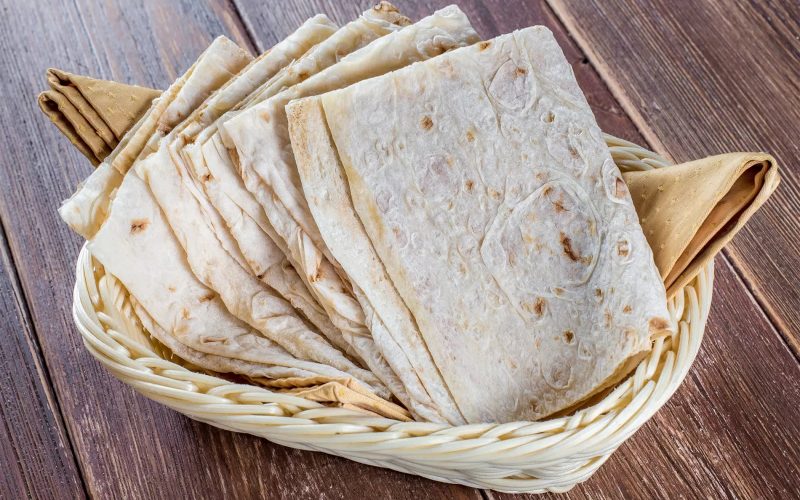
What Lavash Is: Concise Definition
Lavash is a traditional Armenian flatbread, thin and soft yet surprisingly versatile. Typically made from simple ingredients—flour, water, salt, and sometimes yeast—lavash is baked in a tandoor-like clay oven called a tonir, which gives it a unique texture and flavor. Its appearance ranges from paper-thin, delicate sheets to slightly thicker, more robust versions, depending on regional and family recipes. Despite its simplicity, lavash is far more than just bread; it is a culinary creation deeply rooted in Armenian daily life, rituals, and traditions.
Why Lavash Is Important: Cultural, Historical, and Culinary Value
Lavash is not merely a food item; it is a cornerstone of Armenian heritage and a living link to the country’s ancient past. Archaeological findings suggest that bread-making in the Armenian Highlands dates back thousands of years, making lavash one of the oldest breads in the world still in regular use today. Historically, lavash was a practical solution for sustaining nomadic and rural communities, easily stored by drying and rolled or stacked for transport.
Culturally, lavash plays a central role in Armenian family gatherings, celebrations, and religious ceremonies. It is traditionally served during weddings, holidays, and feasts, often accompanied by cheese, herbs, or meats. In rural areas, the preparation of lavash is an elaborate communal activity, with women gathering to knead, roll, and bake the dough—a ritual passed down through generations.
Culinarily, lavash is remarkably versatile. Its soft texture makes it perfect for wraps, sandwiches, and rolls, while its crisp, dried form serves as a cracker or accompaniment to soups and stews. Its neutral yet rich flavor profile allows it to complement a wide range of Armenian dishes, from khorovats (grilled meats) to fresh herbs and cheeses.
Lavash as a Symbol of Armenian Identity
Lavash transcends its role as a staple food to become a potent symbol of Armenian identity. Its preparation, consumption, and ceremonial significance are deeply intertwined with Armenian culture and social life. In 2014, UNESCO recognized “Lavash, the preparation, meaning and appearance of traditional bread as an expression of culture in Armenia” as part of the Intangible Cultural Heritage of Humanity, underscoring its symbolic value. For Armenians worldwide, lavash is a tangible connection to their roots, heritage, and sense of community, representing resilience, tradition, and continuity across generations.
Article Overview
This article will explore lavash in depth, focusing on its Armenian origins, preparation methods, and cultural significance. We will examine its historical roots, regional variations, and traditional baking techniques, particularly the role of the tonir. The article will also highlight how lavash is celebrated in modern Armenian cuisine, both in Armenia and within the Armenian diaspora. Finally, we will consider why lavash remains a living, cherished tradition—a culinary symbol that continues to shape Armenian identity and daily life.
Etymology and Meaning
Armenian Roots of the Word Lavash
The word “lavash” is deeply rooted in the Armenian language and heritage. Linguists trace its origin to the classical Armenian word lav (լավ), meaning “good,” combined with a suffix that implies a product or creation—essentially translating to “good bread.” This simple yet meaningful name reflects the central role of lavash as a staple food in Armenian life: it is both nourishing and esteemed. Some scholars also suggest that the term may have connections to ancient Mesopotamian or regional Anatolian words for bread, indicating the long-standing presence and exchange of flatbread traditions across the Armenian Highlands.
How Lavash Is Referred to in Armenian Regions
Across Armenia, lavash is universally recognized, yet regional variations and local dialects sometimes give it slightly different names or affectionate diminutives. In villages of the Ararat Valley, it may be referred to simply as tonir bread, highlighting its traditional baking method in a tonir. In the Syunik and Lori regions, families might use specific terms to describe variations in thickness, texture, or baking style. Despite these regional differences, the essence of lavash—thin, soft, and slightly elastic—remains consistent, reinforcing its identity as an Armenian national bread.
Distinctions Between Armenian Lavash and Other Flatbreads
Although flatbreads are common throughout the Middle East, Caucasus, and Central Asia, Armenian lavash is unique in several ways:
- Baking Method – Traditional Armenian lavash is baked in a tonir, a cylindrical clay oven, which imparts a slightly smoky flavor and characteristic texture. Many other flatbreads, such as Middle Eastern pita or Central Asian non, are baked on flat griddles or in conventional ovens, lacking the tonir’s distinct qualities.
- Texture and Thickness – Lavash is typically thinner and more pliable than many other flatbreads. Its softness allows it to be rolled or folded, while when dried, it becomes crisp and long-lasting. This duality—soft when fresh, crisp when dried—is a hallmark that distinguishes Armenian lavash.
- Cultural Significance – While breads like pita or naan serve primarily culinary purposes, lavash holds profound cultural and symbolic importance in Armenia. It is central to rituals, weddings, and festivals, making it as much a cultural artifact as a food item.
- Ingredient Simplicity – Traditional lavash uses only flour, water, salt, and sometimes a hint of yeast, emphasizing simplicity and purity. Other flatbreads may incorporate oil, milk, or sweeteners, giving them a different texture and taste profile.
In essence, Armenian lavash is not just a type of bread—it is a cultural icon, a versatile culinary tool, and a tangible expression of Armenian identity. Its distinct baking method, texture, and social significance set it apart from flatbreads in neighboring regions, making it uniquely Armenian.
Historical Background
Archaeological Evidence of Ancient Armenian Bread-Making
The roots of Armenian bread-making extend deep into prehistory, with archaeological evidence revealing that inhabitants of the Armenian Highlands baked flatbreads as early as 5,000–6,000 years ago. Excavations in ancient settlements, such as Areni in the Vayots Dzor region, have uncovered clay ovens, grinding stones, and charred remains of flatbread, indicating an advanced understanding of baking techniques. These discoveries suggest that the concept of thin, soft bread, akin to modern lavash, has been central to Armenian subsistence and culture for millennia. Bread was not merely food—it was a symbol of life and sustenance, deeply intertwined with the spiritual and social practices of ancient Armenians.
Lavash in Early Armenian Kingdoms and Daily Life
During the eras of early Armenian kingdoms, including Urartu (9th–6th century BCE) and the Kingdom of Armenia under the Artaxiad dynasty (2nd century BCE–1st century CE), bread—particularly flatbread—was a daily staple. Lavash became a vital element of both ordinary meals and ceremonial feasts. It was often consumed with dairy products, herbs, and fermented beverages, reflecting the local agricultural abundance. Historical records and manuscripts highlight that lavash was more than nourishment; it played a role in hospitality, communal gatherings, and religious observances, signifying prosperity and the host’s generosity.
The Tonir: History and Ritual Importance in Armenian Households
The tonir—a cylindrical clay oven embedded into the earth or household floor—is inseparable from the history of Armenian lavash. Originating over 4,000 years ago, the tonir allowed families to bake multiple sheets of lavash efficiently, while also imparting its characteristic texture and subtle smoky flavor. Beyond its practical purpose, the tonir holds profound symbolic significance. It was often considered the “heart” of the household, central to family life, and associated with protection, abundance, and the continuity of generations. In rural Armenia, baking lavash in the tonir was accompanied by rituals and blessings, underscoring its sacred dimension.
Transmission of Lavash Tradition Through Generations
The art of making lavash has been meticulously transmitted from generation to generation. Knowledge of the proper flour mixture, dough consistency, rolling technique, and baking temperature was traditionally passed from mothers and grandmothers to daughters. In villages, entire communities would gather for baking sessions, especially during harvest seasons or before major celebrations. This communal practice not only ensured the continuity of culinary techniques but also reinforced social bonds, familial ties, and cultural identity. Lavash, therefore, is not just a bread but a living tradition, carrying the collective memory of the Armenian people.
The Role of Armenian Women in Preserving Lavash Baking
Armenian women have historically been the primary custodians of lavash-making traditions. Their expertise encompasses every step—from selecting the finest flour to kneading, rolling, and baking the bread in the tonir. Women’s skill in shaping the dough and controlling the baking process determined the quality and longevity of the bread, a matter of both practical and symbolic importance. Beyond culinary mastery, women imbued the process with ritual significance, often reciting blessings or songs while preparing lavash. Their dedication ensured that lavash remained a central element of Armenian households, a symbol of nourishment, care, and cultural continuity.
Lavash as a UNESCO Cultural Heritage
Description of the UNESCO Inscription
In 2014, UNESCO officially recognized Armenian lavash, along with its preparation, meaning, and traditional appearance, as part of the Intangible Cultural Heritage of Humanity. The inscription specifically highlights the unique practices surrounding lavash: from its preparation in the tonir to the communal and ceremonial activities associated with it. UNESCO’s recognition does not merely celebrate the bread itself but acknowledges the social, cultural, and ritual contexts in which lavash is created and consumed, emphasizing its integral role in Armenian life and identity.
Why Lavash Was Recognized as an Intangible Cultural Heritage
Lavash earned UNESCO recognition due to its unique combination of culinary tradition, social practice, and cultural symbolism. Unlike many other breads around the world, lavash is deeply entwined with Armenian rituals, hospitality, and family life. Its preparation requires highly specific skills, including dough kneading, rolling, and baking in a tonir, all of which are transmitted through generations. Moreover, lavash embodies resilience, continuity, and the shared values of Armenian communities, making it not only a food product but also a living cultural practice worthy of global recognition.
Symbolism: Lavash as Part of Armenian Family Identity
Lavash is more than nourishment—it is a symbol of Armenian family identity and heritage. In Armenian households, preparing and sharing lavash reinforces familial bonds and collective memory. Weddings, religious celebrations, and holiday feasts often feature lavash prominently, emphasizing its role as a unifying symbol. The bread represents warmth, hospitality, and continuity, connecting contemporary Armenian families with their ancestors. UNESCO’s recognition acknowledges this symbolic dimension, underlining lavash as a tangible expression of intangible cultural values.
Community Practices and Intergenerational Transmission
The preservation of lavash is a community-centered practice, deeply embedded in rural and urban Armenian life. Women, in particular, serve as custodians of this tradition, teaching daughters, daughters-in-law, and younger community members the skills and rituals of lavash-making. Communal baking sessions—especially during harvest seasons, festivals, or pre-wedding preparations—reinforce social cohesion and cultural continuity. Even in modern Armenia and the diaspora, families maintain these practices, ensuring that lavash continues to be both a culinary delight and a living symbol of Armenian heritage.
Cultural Significance in Armenia
Lavash in Daily Life
Lavash is a cornerstone of everyday Armenian life, serving as a versatile and essential component of the diet. Traditionally, it accompanies almost every meal, whether breakfast, lunch, or dinner. Fresh lavash is often paired with cheese, herbs, or eggs for a simple meal, while dried lavash can be rehydrated or used as a wrap for meats and vegetables. Its flexibility in the kitchen makes it an indispensable staple across urban and rural households alike.
Beyond its nutritional role, lavash carries a social meaning. Sharing bread is a fundamental expression of hospitality and connection. In many Armenian homes, breaking and offering lavash to guests signifies generosity, respect, and the reinforcement of social bonds. The act of sharing lavash is deeply symbolic, emphasizing community cohesion and familial unity.
Lavash in Celebrations and Rituals
Lavash plays a central role in Armenian celebrations and life-cycle rituals, where it becomes more than sustenance—it is a symbol of blessing and prosperity.
- Weddings: During traditional Armenian weddings, large sheets of lavash are sometimes placed on the couple’s shoulders or used to wrap them symbolically. This practice represents fertility, abundance, and protection as the couple begins their life together. Lavash, in this context, serves as both a literal and figurative foundation for family life.
- Blessings and Good Fortune: Lavash is often associated with good luck and positive energy. In rural communities, it may be baked or offered with specific intentions, such as ensuring a bountiful harvest or honoring ancestors.
- Holidays and Family Gatherings: Lavash is omnipresent during major Armenian holidays, from Vardavar to Christmas and Easter celebrations. It is shared among family members, symbolizing unity, continuity, and the passage of cultural traditions from one generation to the next.
Lavash and Armenian Hospitality
In Armenian culture, hospitality is sacred, and lavash is central to this tradition. It is commonly paired with salt when offered to guests—a symbolic gesture known as “bread and salt”. This combination represents trust, friendship, and mutual respect, signifying that the guest is welcome and safe.
Offering lavash in a communal or family setting is more than a culinary act; it is a demonstration of warmth, generosity, and cultural pride. Even in contemporary Armenia, the practice persists, reflecting the enduring social and symbolic power of lavash. Through these everyday and ceremonial uses, lavash continues to embody the spirit of Armenian identity, connecting food, family, and community in deeply meaningful ways.
Ingredients and Armenian Traditions
Classic Armenian Lavash Ingredients
Traditional Armenian lavash is celebrated for its simplicity and purity, relying on only a few basic ingredients:
- Flour – Usually wheat flour, carefully sifted for a fine texture.
- Water – Clean, often spring or well water, contributing to the dough’s elasticity and consistency.
- Salt – Added sparingly to enhance flavor without overpowering the bread.
- Yeast – Sometimes used in small amounts, though many traditional recipes rely solely on natural fermentation.
This minimalist approach emphasizes the quality of each component, allowing the bread’s texture, aroma, and flavor to shine. Despite—or perhaps because of—its simplicity, lavash is incredibly versatile, serving as both a staple food and a ceremonial item.
Water and Flour Quality in Traditional Villages
In Armenian villages, the source and quality of water and flour are crucial to making authentic lavash. Water is often drawn from local springs or wells, prized for its purity and mineral content, which influence the dough’s elasticity and baking results. Similarly, locally milled flour, sometimes produced using traditional stone grinders, preserves the natural flavor and nutrients of the wheat.
The combination of high-quality water and flour ensures that lavash attains its characteristic softness and chewiness when fresh, and crispness when dried. These small yet essential details reflect centuries of refinement in village baking practices, preserving the authenticity of Armenian lavash.
Traditional Armenian Flour Types
Armenian bakers traditionally use soft or medium wheat flours, which produce dough that is easy to roll very thin while maintaining elasticity. Some regions prefer flour from locally grown wheat varieties, passed down through generations. This attention to flour selection ensures a balance of stretch, strength, and lightness in the final bread, giving Armenian lavash its distinct texture compared to other flatbreads.
Optional Additions in Modern Armenian Recipes
While classic lavash remains simple, modern adaptations sometimes incorporate optional ingredients to enhance flavor or variety:
- Sesame seeds or nigella seeds sprinkled on the surface before baking.
- Herbs or spices subtly mixed into the dough, such as dill or sumac, reflecting regional tastes.
- Olive oil or yogurt added in small quantities for softness, though this is less common in traditional recipes.
Despite these variations, the essence of lavash—its thinness, versatility, and cultural significance—remains unchanged. Modern tweaks provide creative interpretations without compromising the bread’s historical and symbolic value in Armenian households.
How Traditional Armenian Lavash Is Made
The Tonir (Tandoor) Oven
The tonir is central to the making of traditional Armenian lavash, both practically and symbolically. Structurally, it is a cylindrical clay oven, often built directly into the ground or embedded in the kitchen floor. The oven’s shape and material allow for even heat distribution, which is crucial for baking the thin, delicate sheets of lavash.
Heating the tonir traditionally involves burning wood or grapevine trimmings, which create a strong, consistent heat and impart a subtle, smoky aroma to the bread. The tonir is more than a baking tool—it is considered the “heart of the home”, symbolizing warmth, family unity, and the continuity of generations. In many Armenian households, it is a revered space where daily sustenance and ceremonial bread are alike brought to life.
The Traditional Process
The process of making lavash is a carefully orchestrated ritual, often requiring multiple women working together.
- Kneading the dough: The flour, water, salt, and occasionally yeast are mixed and kneaded to a smooth, elastic consistency. This step is often done communally, emphasizing teamwork and shared responsibility.
- Resting the dough: After kneading, the dough is left to rest, allowing the gluten to develop and the dough to become pliable enough for rolling.
- Rolling: The dough is rolled into ultra-thin sheets, sometimes as thin as paper, using long rolling pins and precise hand techniques. The thinness is essential for proper baking and the characteristic texture of lavash.
- Slapping the dough onto the tonir wall: Each sheet is carefully lifted and slapped against the hot walls of the tonir, where it sticks and bakes quickly.
- Baking time and readiness: The bread bakes in just a few minutes. Bakers look for visual cues, such as slight browning, small bubbles, and a crisp texture, to determine when the lavash is ready to be removed.
The “Lavash Team” Tradition
Traditional lavash-making is often a communal endeavor, with clearly defined roles:
- The kneader ensures the dough has the correct consistency.
- The roller meticulously rolls the dough into thin sheets.
- The baker manages the tonir, carefully adhering the dough to the hot walls and monitoring baking.
This cooperative process fosters social interaction and reinforces cultural continuity. Skills are passed from grandmothers to daughters and younger women, making each baking session a living classroom. The teamwork and rituals surrounding lavash-making are as important as the bread itself, strengthening community bonds and familial ties.
Modern Variations Within Armenia
In contemporary Armenia, lavash-making has adapted to urban and commercial contexts while maintaining traditional methods in rural areas.
- Bakeries: Many urban bakeries produce lavash using modern ovens and machinery. While efficient, these methods can lack the subtle flavors and textures imparted by a tonir.
- Home Baking: In villages and smaller towns, families continue to use the traditional tonir, preserving the ritual and communal aspects of baking.
- Urban vs. Rural Differences: Urban households may occasionally prepare lavash at home using metal or electric ovens, while rural families often maintain the ceremonial, hands-on process in the tonir. Despite these variations, the essence of Armenian lavash—its thinness, flavor, and cultural significance—remains intact.
Characteristics of Authentic Armenian Lavash
Taste Profile: Mild, Slightly Nutty, Smoky Notes
Authentic Armenian lavash is celebrated for its subtle and balanced flavor. Freshly baked, it offers a mild, slightly nutty taste derived from wheat flour, enhanced by the faint smokiness imparted by the tonir. Unlike heavily seasoned breads, lavash’s flavor is understated, allowing it to complement a wide variety of dishes—from cheeses and herbs to grilled meats—without overpowering them. The delicate smokiness and natural wheat notes are hallmarks of traditional Armenian baking, distinguishing it from flatbreads made in conventional ovens.
Texture: Soft When Fresh, Crisp When Dried
One of the defining characteristics of Armenian lavash is its dual texture. Fresh out of the tonir, the bread is soft, pliable, and almost elastic, making it ideal for rolling, wrapping, or folding around other foods. When left to dry, it transforms into a crisp, lightweight sheet that can be stored for weeks or even months. This versatility is a practical feature, allowing lavash to serve as both a fresh accompaniment and a long-lasting staple in Armenian households.
Thickness Standards and Shape
Authentic lavash is extremely thin and uniform, often rolled to a thickness of just 1–2 millimeters. Sheets are generally rectangular or oval, large enough to cover a table or wrap around multiple ingredients. Maintaining uniform thinness is essential; it ensures even baking and contributes to the characteristic soft yet resilient texture. Any deviation in thickness or shape can alter the bread’s baking quality and flexibility, which is why traditional techniques emphasize careful rolling and handling.
Why Armenian Lavash Becomes Stiff Over Time (and Why This Is Valued)
As lavash dries, it becomes stiff and brittle, which is not a flaw but a highly valued feature. Dried lavash can be broken into smaller pieces, rehydrated in soups, or used as a durable wrap for cheeses, meats, or herbs. Historically, this quality allowed Armenian families to store bread for extended periods, especially in rural or nomadic settings. The ability of lavash to transition from soft to crisp without losing flavor or usability reflects the ingenuity of Armenian culinary tradition.
How Authentic Lavash Compares with Commercial Versions
Modern commercial lavash, produced in bakeries or packaged for supermarkets, often differs from its traditional counterpart in several ways:
- Baking Method: Commercial versions are usually baked in industrial ovens rather than a tonir, resulting in a milder flavor and less nuanced texture.
- Thickness and Flexibility: Machine-made lavash may lack the delicate thinness and elasticity of hand-rolled sheets.
- Preservatives and Additives: Some commercial lavash contains additives to extend shelf life, altering taste and texture compared with traditional recipes.
- Cultural Significance: While commercial lavash is convenient, it cannot replicate the ritual, communal, and symbolic aspects of hand-made tonir lavash.
Authentic Armenian lavash stands out not only for its taste and texture but also for the centuries-old traditions and cultural meanings baked into every sheet.
Armenian Regional Varieties
Thin Everyday Lavash vs. Thicker Holiday Lavash
In Armenia, lavash varies depending on purpose and occasion. For everyday consumption, the bread is rolled ultra-thin, soft, and flexible, ideal for wrapping cheeses, herbs, or grilled meats. In contrast, holiday or ceremonial lavash is often slightly thicker and more substantial. These festive versions may be larger in size, richer in texture, or adorned with sesame or nigella seeds. Thicker lavash is preferred for special occasions such as weddings, religious holidays, or community feasts, reflecting both practical needs and symbolic significance.
Variations Between Ararat Valley, Syunik, Lori, Tavush
Regional distinctions in Armenia further shape lavash styles:
- Ararat Valley: Known for exceptionally thin, soft lavash, often baked daily. The soft, pliable texture is ideal for household meals and quick wraps.
- Syunik: Lavash here tends to be slightly thicker, reflecting local preferences and the use of hand-milled wheat. The tonir baking technique is emphasized, producing a robust, smoky flavor.
- Lori: In this northern region, lavash may include minor additions such as herbs or seeds, reflecting local tastes and agricultural abundance.
- Tavush: Villages in Tavush often prepare slightly smaller sheets, tailored for family consumption, with particular attention to even baking in clay tonirs.
These regional differences reflect variations in climate, wheat quality, and cultural customs, yet all maintain the essential characteristics of Armenian lavash.
Differences in Flour, Shape, and Baking Practices
Flour quality, shape, and baking methods vary subtly across regions:
- Flour: Village flours may be stone-ground, retaining more flavor and texture, whereas urban regions often use commercially processed flour.
- Shape: Ararat Valley lavash tends to be large and rectangular, while Tavush or Lori versions may be oval or slightly smaller.
- Baking Practices: Rural communities favor traditional tonir ovens, sometimes fueled with grapevine trimmings, while some urban households use modern ovens, producing a slightly different texture and aroma.
These distinctions not only affect taste and texture but also highlight the regional identities and culinary heritage of each area.
Village-Specific Traditions
Certain Armenian villages have unique lavash traditions, often tied to local customs, rituals, or family lineages. In some Syunik villages, for example, baking lavash involves ritual blessings for health and prosperity. In Lori, young women may learn rolling techniques from grandmothers in formalized “lavash sessions,” emphasizing precision and communal cooperation. Village-specific rituals, whether linked to weddings, harvest celebrations, or religious festivals, underscore how lavash functions as a living cultural artifact, preserving both culinary and social traditions across generations.
Nutritional Profile (Armenian Context)
Calories and Macronutrients
Traditional Armenian lavash is a low-fat, nutrient-dense flatbread. A single large sheet (approximately 50–60 grams) typically contains:
- Calories: 130–150 kcal
- Carbohydrates: 25–30 grams, the main source of energy
- Protein: 4–5 grams, primarily from wheat
- Fat: 0.5–1 gram, naturally minimal due to the absence of oil or butter in traditional recipes
The simplicity of its ingredients—flour, water, and salt—makes lavash a light yet sustaining staple, suitable for pairing with cheeses, herbs, or meats without contributing excess calories.
Nutrition Differences Based on Armenian Flour Varieties
Nutrition can vary depending on the type of flour used:
- Stone-ground, whole wheat flour (common in villages) retains more fiber, minerals, and vitamins, including magnesium, iron, and B vitamins. This contributes to slower digestion and sustained energy.
- Refined flour (common in urban or commercial bakeries) produces softer, more pliable bread but with slightly reduced fiber and micronutrient content.
Thus, village-made lavash offers a more nutritionally complete option, aligning with traditional Armenian dietary practices that emphasize whole, minimally processed foods.
Health Benefits in the Context of Traditional Armenian Diet
Within the traditional Armenian diet, lavash plays a key role in balanced nutrition:
- Provides sustained energy when paired with protein-rich cheeses or meats.
- Offers dietary fiber (especially from whole wheat varieties), supporting digestive health.
- Acts as a versatile vehicle for herbs, vegetables, and fermented dairy, enhancing overall nutrient intake.
Its simplicity, low fat content, and ability to complement other nutrient-dense foods make lavash a healthy staple, contributing to longevity and resilience in Armenian communities.
Why Dried Lavash Was Historically Useful for Survival
Dried lavash was historically invaluable in Armenia for long-term storage and survival. Once dried, it becomes extremely durable and lightweight, making it easy to transport and store without spoilage. In rural and mountainous areas, families could rely on dried lavash during harsh winters, long journeys, or periods of scarcity. Its combination of energy, portability, and shelf stability made it a critical survival food, allowing Armenians to sustain themselves during agricultural off-seasons, travel, or wartime conditions.
Even today, the dual nature of lavash—soft when fresh, crisp when dried—reflects centuries of practical wisdom embedded in Armenian culinary tradition.
Culinary Uses in Armenia
Traditional Meals
Lavash is a versatile cornerstone of traditional Armenian cuisine, complementing both simple and elaborate meals:
- Lavash with herbs and cheese: A classic combination, often referred to as jir lor in some regions, pairs fresh lavash with local cheeses and a variety of herbs such as parsley, tarragon, and cilantro. This combination provides a nutritious, light, and flavorful meal.
- Lavash with khorovats (Armenian barbecue): Lavash is essential for enjoying grilled meats, wrapping hot slices of kebab or marinated vegetables. Its softness prevents juices from spilling, while its neutral flavor complements smoky, spiced meats.
- Lavash as a wrap for transporting food: Historically and practically, lavash served as a portable container, wrapping cheese, dried fruits, or meat for travel or picnics.
- Lavash baskets for serving meals: In some Armenian households, lavash is used as a liner or basket to present nuts, bread, or fruits during communal gatherings, showcasing its dual culinary and ceremonial utility.
Everyday Armenian Dishes
Beyond ceremonial or traditional meals, lavash is central to daily Armenian eating habits:
- Lavash-based sandwiches: Soft lavash is ideal for rolling with a variety of fillings, from cheese and herbs to cold cuts, creating quick, portable meals.
- Breakfast uses: Fresh lavash is often enjoyed with eggs, yogurt, or cheese in rural and urban homes alike.
- Lavash with butter, honey, or preserves: A simple yet beloved preparation, highlighting the bread’s delicate flavor while offering a sweet or savory option for family breakfasts or snacks.
Modern Armenian Cuisine
Contemporary Armenian chefs and home cooks have found innovative ways to reinterpret lavash, blending tradition with modern tastes:
- Lavash chips: Thin sheets are cut into small pieces, baked or fried, and seasoned to create crispy snacks.
- Lavash-based pastries: Chefs use lavash as a wrapper for savory or sweet fillings, producing items such as cheese rolls, nut-filled treats, and filo-like desserts.
- Restaurant reinterpretations: In urban eateries, lavash appears in fusion dishes, gourmet wraps, and modern plating, maintaining its traditional essence while appealing to contemporary palates.
Lavash’s versatility—from simple daily meals to creative modern cuisine—demonstrates its enduring centrality in Armenian culinary culture, bridging the past with contemporary innovation.
Storage and Preservation the Armenian Way
Drying Lavash for Long-Term Storage
One of the most remarkable features of Armenian lavash is its ability to be preserved for long periods. After baking, sheets of lavash are traditionally dried completely, either by hanging them on rods, laying them on racks, or draping them over walls or beams. This drying process removes moisture, preventing mold and spoilage, and transforms the soft, pliable bread into a crisp, lightweight form that can be stored for weeks or months. In rural Armenia, dried lavash was an essential winter food supply, ensuring families had reliable nourishment when fresh bread-making was limited by weather conditions.
Rehydration Traditions
Dried lavash can be revived for immediate consumption through simple traditional techniques:
- Sprinkling water over the bread to soften it before rolling or using it in dishes.
- Wrapping dried sheets in a damp cloth or placing them briefly near a heat source to restore flexibility.
These practices reflect centuries of practical culinary knowledge, allowing Armenians to enjoy lavash in its soft, fresh-like state even weeks after baking.
Seasonal Storage in Villages
In Armenian villages, seasonal storage of lavash was both a necessity and a cultural practice. Large quantities of lavash were baked in autumn and early winter, then dried and stored in cool, dry areas—sometimes in earthen jars, wooden cabinets, or special bread storage rooms. This ensured a steady supply during the cold months, when access to fresh ingredients or baking facilities was limited. Families often rotated dried lavash, keeping some sheets soft for immediate use and preserving others for longer-term needs.
How Armenians Transport Lavash When Moving Abroad
For Armenians moving abroad, lavash serves as a portable symbol of home and heritage. Families often dry sheets extensively and wrap them carefully in cloth or airtight containers, allowing the bread to survive long journeys without spoilage. Once at their destination, the rehydration techniques used in Armenia enable them to enjoy authentic lavash, preserving both the flavor and the cultural connection to their homeland.
Through these methods, Armenians have ensured that lavash remains not only a culinary staple but also a symbol of resilience, continuity, and identity, even far from home.
Making Lavash at Home: Armenian Authentic Method
Equipment
While the traditional tonir is ideal for authentic lavash, home cooks have developed ways to simulate its results:
- Simulated Tonir Techniques: Using a large, heavy-bottomed cast-iron pot or Dutch oven can mimic the high, even heat of a tonir. Placing a baking stone or inverted tray inside a conventional oven can also replicate the clay surface of the traditional oven.
- Oven and Stovetop Alternatives: Lavash can be baked on a hot griddle or heavy skillet on the stovetop for small batches, or on preheated baking stones in conventional ovens for larger sheets. While these methods do not fully reproduce the smoky flavor of a tonir, they allow home bakers to achieve proper texture and thinness.
Classic Armenian Recipe
The classic Armenian lavash recipe emphasizes simplicity and technique:
- Prepare the Dough: Mix high-quality wheat flour with water and a pinch of salt (and optionally a small amount of yeast). Knead until smooth and elastic.
- Rest the Dough: Allow the dough to rest for 20–30 minutes, helping gluten development and improving elasticity.
- Divide and Roll: Cut the dough into portions and roll each piece into ultra-thin sheets, ideally 1–2 mm thick, using long rolling pins and careful, even pressure.
- Bake: For traditional effect, slap the dough onto the walls of a preheated clay pot or simulate with a baking stone/oven. Bake until the bread slightly puffs, shows tiny bubbles, and develops a pale golden color.
- Cool or Dry: Fresh lavash can be used immediately, or hung to dry for long-term storage.
Key Differences from Non-Armenian Recipes: Authentic Armenian lavash is extremely thin, lightly seasoned, and often baked in clay for subtle smoky flavor. Many non-Armenian flatbreads include oil, milk, or baking powder, which changes the texture, flavor, and pliability.
Tips From Armenian Bakers
To achieve authentic results at home, Armenian bakers share several key tips:
- Achieving Proper Thinness: Roll gradually, rotating the dough frequently. Use light pressure to avoid tearing.
- Maintaining Elasticity: Allow sufficient resting time and knead thoroughly. Elastic dough prevents cracking during baking.
- Preventing Cracking: Work with slightly moist hands and dust lightly with flour; avoid rolling on dry surfaces.
- Recreating the Smoky Aroma: Bake over wood embers if possible, or briefly expose sheets to a gas flame or broiler to introduce subtle smokiness reminiscent of a tonir.
By following these steps, home cooks can produce lavash that retains the traditional taste, texture, and cultural authenticity, bringing a piece of Armenian culinary heritage into their kitchens.
Symbolism and Folklore
Lavash as a Symbol of Life and Fertility
In Armenian culture, lavash is much more than a staple food—it is a powerful symbol of life, sustenance, and fertility. Its creation from simple ingredients and transformation into a nourishing, flexible bread represents growth, renewal, and abundance. During weddings and other life-cycle rituals, lavash is often included as a blessing for fertility, prosperity, and the continuity of family lines, reflecting its deep symbolic value beyond mere nutrition.
Proverbs and Sayings Involving Bread
Armenians have long embedded lavash and bread in folk wisdom and everyday language. Common proverbs highlight its importance, such as:
- “Bread is the first crown of a household,” emphasizing its central role in sustenance and family well-being.
- “Break bread, build friendship,” reflecting how sharing lavash fosters hospitality and social bonds.
- “Lavash on the table, peace in the home,” illustrating the symbolic connection between food and harmony.
These sayings convey the deep cultural respect for lavash as a carrier of both life and communal values.
Folk Stories About the Origins of Lavash
Armenian folklore preserves stories linking lavash to ancient ancestral ingenuity and divine blessings. One popular tale recounts how the first lavash was created to feed a family during a harsh winter, transforming a simple mixture of flour and water into a bread that could sustain life and endure time. Other stories associate lavash with festivals and celebrations, emphasizing its role as a divine gift and a communal treasure passed down through generations. These narratives reinforce lavash as a living emblem of Armenian cultural identity.
Lavash as a Symbol of the Armenian Mother
In Armenian households, lavash is closely associated with the figure of the mother, who traditionally kneads, rolls, and bakes the bread. This connection symbolizes care, nourishment, and protection, linking the act of baking to maternal love and responsibility. Just as a mother nurtures her family, lavash provides sustenance and comfort. This symbolic link is celebrated in rituals and oral traditions, further embedding the bread in Armenian notions of family, home, and cultural continuity.
Through symbolism and folklore, lavash transcends its role as food, becoming a living cultural icon that embodies life, fertility, family, and Armenian identity.
Economic Importance in Armenia
Lavash Bakeries as Family Businesses
In Armenia, lavash bakeries often operate as small, family-run enterprises, passing skills and recipes from generation to generation. These bakeries are not only sources of income but also cultural hubs, preserving traditional baking techniques while supplying local communities with fresh bread daily. Many families rely on lavash production as a primary or supplementary income source, highlighting the bread’s importance to both economy and culture.
Rural Women’s Cooperatives
Rural women have historically played a central role in lavash production, and in modern times, women’s cooperatives have formalized these efforts. Cooperatives provide training, shared resources, and market access, empowering women economically while preserving traditional methods. These initiatives strengthen local communities, enhance social cohesion, and ensure that lavash remains a living cultural practice supported by economic sustainability.
Lavash Production for Export
Armenian lavash is increasingly recognized beyond national borders. Both fresh and dried varieties are exported to countries with Armenian diaspora populations, such as Russia, the United States, France, and Lebanon. Export production adheres to strict quality standards, balancing authenticity with shelf stability, and contributes to Armenia’s food industry revenues while promoting cultural heritage internationally.
Impact on Tourism
Lavash also plays a significant role in tourism, attracting visitors to rural bakeries, cultural festivals, and culinary workshops. Tourists often participate in lavash-making demonstrations, learn traditional techniques, and sample freshly baked bread. This experiential tourism fosters economic growth while promoting Armenian culture and history, enhancing the country’s reputation as a destination for culinary heritage tourism.
Lavash as a National Brand
Over time, lavash has evolved into a symbolic national brand for Armenia. It is featured in promotional campaigns, cultural exhibitions, and food festivals, emphasizing authenticity, tradition, and identity. Beyond its economic value, this branding reinforces Armenia’s cultural visibility globally, connecting commerce, heritage, and national pride through a single, iconic product.
Lavash thus represents a unique intersection of culture, economy, and identity, sustaining families, communities, and national heritage while contributing significantly to Armenia’s economic and cultural landscape.
Armenian Lavash in the Global Context
How Armenian Immigrants Preserved Lavash Traditions Abroad
Armenian immigrants around the world have long maintained lavash as a cultural and culinary anchor, ensuring that traditional baking practices survive far from the homeland. Families often bring dried lavash or traditional recipes with them, recreating authentic bread at home using adapted methods, such as ovens or stovetop simulations of the tonir. These practices allow Armenian communities abroad to retain a tangible connection to their heritage, integrating lavash into daily meals, celebrations, and rituals just as it is in Armenia.
Global Recognition After the UNESCO Listing
The 2014 UNESCO inscription of Armenian lavash significantly boosted its international recognition. The designation not only highlighted its cultural importance but also introduced the global community to the rituals, techniques, and social significance associated with Armenian lavash. Today, UNESCO’s recognition serves as a point of pride for Armenians worldwide and raises awareness of authentic lavash in culinary and cultural contexts.
Difference Between Armenian and Commercially Mass-Produced Lavash
Authentic Armenian lavash differs markedly from mass-produced, commercial versions:
- Ingredients: Traditional lavash uses only flour, water, salt, and sometimes a small amount of yeast, while commercial bread may include oils, preservatives, and additives.
- Texture and Flavor: Hand-rolled lavash baked in a tonir is soft, pliable, and subtly smoky, whereas factory-made bread is uniform, denser, and lacks the nuanced flavor and elasticity of the traditional product.
- Cultural Significance: Commercial lavash is primarily a commodity, while Armenian lavash remains a cultural, ceremonial, and symbolic artifact, connecting people to family, community, and heritage.
Comparison with Similar Flatbreads (Brief, Only for Clarity)
Although flatbreads exist worldwide, Armenian lavash is distinct in its thinness, baking method, and cultural significance. Unlike pita, naan, or other regional breads, lavash is traditionally baked in a tonir, carries ceremonial meaning, and transforms from soft to crisp for storage. These characteristics underscore its unique identity, even when viewed alongside other flatbreads globally.
Through preservation by diaspora communities, UNESCO recognition, and continued traditional practice, Armenian lavash has secured its place both as a culinary treasure and a global symbol of Armenian culture, demonstrating that its value extends far beyond the borders of its homeland.
Common Myths and Misconceptions
“Lavash is Supposed to Be Soft” – Not Always
A common misconception is that lavash should always be soft and pliable. In reality, authentic Armenian lavash has a dual nature: it is soft and flexible when fresh but intentionally becomes crisp and brittle when dried. This drying process is traditional, practical, and highly valued, as it allows the bread to be stored for long periods without spoiling. Understanding this duality is essential to appreciating lavash in its cultural and culinary context.
Confusion with Tortilla or Pita
Many people outside Armenia mistakenly equate lavash with tortilla, pita, or other flatbreads. While all are thin breads, Armenian lavash is distinct in its extreme thinness, baking technique in a tonir, and cultural significance. Tortillas or pita are usually baked on griddles or in standard ovens, lack the smoky flavor imparted by a tonir, and do not carry the ceremonial or symbolic weight that lavash does in Armenian culture.
Misunderstanding the Purpose of Dried Lavash
Another common myth is that dried lavash is “old” or “stale.” In fact, drying is intentional and historically vital for preservation. Dried lavash allows families to store bread for months, transport it over long distances, and use it flexibly in cooking—revived through simple rehydration methods. Far from being inferior, dried lavash is a testament to Armenian culinary ingenuity and survival strategies.
Authenticity Concerns in Mass Production
With global commercialization, many mass-produced “lavash” products have led to misconceptions about authenticity. These industrial versions often contain oils, preservatives, or altered textures to improve shelf life, deviating from traditional Armenian methods. While convenient, such bread cannot replicate the subtle flavor, elasticity, or cultural depth of tonir-baked lavash, and consumers should recognize that true Armenian lavash involves skill, tradition, and communal heritage rather than simply being a flat, thin bread.
By addressing these myths, it becomes clear that lavash is more than just a flatbread: it is a living cultural practice, a versatile culinary tool, and a symbol of Armenian identity.
Buying Authentic Armenian Lavash
How to Identify Genuine Armenian Lavash
Authentic Armenian lavash is defined by its simplicity, texture, and cultural preparation methods. Key indicators include:
- Thinness: Traditionally rolled very thin, almost paper-like.
- Texture: Soft and pliable when fresh, transforming to crisp when dried.
- Ingredients: Minimalist—typically just flour, water, and salt, with no unnecessary additives or preservatives.
- Aroma: Subtle nutty wheat flavor with a faint smokiness if baked traditionally.
Authentic lavash maintains these characteristics regardless of whether it is baked in a traditional tonir or a simulated home/urban oven.
What to Look for in Packaging
When purchasing packaged lavash, check for:
- Clear labeling of ingredients (preferably just flour, water, salt).
- Mention of traditional Armenian preparation methods or regional origin.
- Packaging that allows for proper storage, often airtight, to preserve freshness and prevent breakage.
Avoid overly processed versions that contain oils, preservatives, or chemical additives, as these deviate from traditional practices.
Armenian Brands and Bakeries (General, No External References)
Armenian lavash is widely available through local bakeries and family-run producers. Many bakeries emphasize tonir-style baking or small-batch hand-rolled methods, maintaining both flavor and cultural authenticity. While some urban bakeries produce lavash using modern ovens for convenience, many family-run establishments continue to honor traditional techniques, ensuring genuine quality for customers.
Freshness Indicators
To determine if lavash is fresh:
- Feel: Fresh lavash should be soft, elastic, and slightly warm if recently baked.
- Visuals: Even coloring, slight bubbles or puffiness, and no cracks indicate proper baking.
- Aroma: A subtle wheat scent with a hint of smokiness signals traditional preparation.
Dried lavash, intended for long-term storage, should be crisp and lightweight, free from mold or excessive brittleness.
Should Lavash Be Soft or Hard When Purchased?
The answer depends on intended use:
- Soft lavash: Ideal for immediate consumption, rolling, wrapping, or sandwiches.
- Dried/crisp lavash: Suitable for storage, transport, or use in cooking (rehydrating or breaking into pieces for soups or other dishes).
Both forms are authentic; the key is knowing the purpose of the bread and recognizing that drying is traditional, not a sign of inferiority.
By following these guidelines, consumers can confidently purchase genuine Armenian lavash, enjoying both its culinary quality and cultural authenticity.
FAQ
Why Does Real Armenian Lavash Dry Quickly?
Authentic Armenian lavash dries quickly due to its ultra-thin rolling and minimal moisture content. This was historically intentional, allowing the bread to be stored for long periods, especially in rural or mountainous areas. Drying ensures that lavash can serve as a staple during harsh winters or long journeys without spoiling.
Can Hard Lavash Be Eaten Without Softening?
Yes, hard or dried lavash can be eaten as-is, often broken into pieces for snacking or used in soups and stews. However, for wrapping or rolling dishes, it is usually softened by sprinkling with water or briefly heating, restoring its flexibility and making it easier to handle. Both fresh and dried forms are traditional and valued in Armenian cuisine.
Is Armenian Lavash Healthy?
Traditional Armenian lavash is nutrient-dense and low in fat, made with only flour, water, and salt. When paired with cheese, herbs, or vegetables, it contributes to a balanced, wholesome diet. Whole wheat or stone-ground flours increase fiber, minerals, and vitamins, making lavash a healthy staple in the traditional Armenian diet.
How Long Can Lavash Last?
- Fresh lavash: Best consumed within a day or two; it is soft and pliable.
- Dried lavash: Can last for weeks or even months if stored in a cool, dry place. Proper drying and storage protect it from mold and spoilage, reflecting centuries-old preservation methods used by Armenian families.
Why Is Armenian Lavash Paper-Thin?
Lavash is rolled extremely thin—often 1–2 millimeters thick—to ensure even baking, pliability, and versatility. This thinness allows it to wrap around foods, dry quickly for storage, and develop the characteristic soft-then-crisp texture. Paper-thin lavash is a defining feature that distinguishes it from other flatbreads worldwide and is central to its cultural and culinary identity.
Recap of Armenia’s Unique Connection to Lavash
Armenia’s relationship with lavash spans thousands of years, rooted in ancient traditions, village practices, and ceremonial rituals. From its origins in early Armenian kingdoms to its presence in daily meals and festive occasions, lavash has always been more than bread—it is a reflection of Armenian life, ingenuity, and resilience. The use of the tonir, village-specific flour, and communal baking practices underscore how deeply integrated lavash is into the cultural, social, and practical fabric of Armenia.
Lavash as a Cultural Bridge Between Past and Present
Lavash functions as a living link between past and present, preserving techniques, flavors, and symbolism that have been passed down through generations. Whether baked in a rural tonir, shared during family celebrations, or recreated by Armenian communities abroad, lavash connects Armenians to their heritage, identity, and ancestral knowledge. Modern adaptations and culinary innovations honor this tradition while keeping it relevant for contemporary life.
Why Lavash Remains a Living Symbol of Armenian Heritage
Ultimately, lavash endures as a symbol of Armenian heritage because it embodies the nation’s values: family, hospitality, continuity, and resilience. Its presence at the table, in rituals, and in the diaspora ensures that Armenian identity is tangibly expressed through food, bridging generations and borders. Recognized by UNESCO and cherished in homes both in Armenia and abroad, lavash remains a cultural treasure, sustaining not only the body but also the collective memory and spirit of the Armenian people.
Experience the true taste and tradition of Armenian lavash—reach out to us for an authentic culinary journey you won’t forget!





18 Responses
sg77casino is my go-to when I’m looking for some online casino action. The graphics are top-notch, and they have all the classic games you’d expect: sg77casino
Dude, finally found a working six6slogin link! No more getting bounced around to weird sites. Easy access to all the goods. No more waiting, man; get logging in: six6slogin
Just hopped on the 80 Jili bandwagon. Logging in was a piece of cake. All thanks to this 80jili net login, check their official site directly!
[464]Slottica | Link Vào Mới Nhất – Tải App APK & Mẹo Quay Slot Thắng,Slottica cung cấp link truy cập mới nhất và hướng dẫn tải app APK tiện lợi. Khám phá cách chơi baccarat online cùng mẹo quay slot hiệu quả. Tham gia ngay hôm nay! visit: slottica
[4725]Go88 | Link Vào Chính Thức – Game Bài Đổi Thưởng Uy Tín Số 1,Go88 cung cấp link vào chính thức an toàn. Trải nghiệm game bài đổi thưởng uy tín, hướng dẫn tải app apk nhanh chóng và nạp tiền Momo tiện lợi. Tham gia ngay hôm nay! visit: go88
The app installation was smooth and the interface is really intuitive. Best experience I have had in a while. Check out 1777betappdownloadapk for a great time.
[3112]22222 login করুন | বিকাশ দিয়ে সেরা স্লট গেম সাইট,22222 লগইন করে আপনার প্রিয় স্লট গেমটি খেলুন। বিকাশ দিয়ে অনলাইন ক্যাসিনো ডিপোজিট এবং 22222 app download এর সুবিধা নিন। আজই জয়েন করুন। visit: 22222
Best slot experience I have had in a long time. The graphics are crisp and the winning streaks are actually happening here. Love rumahmposlot!
The app is super stable and way more convenient than using a browser. Everything is just a click away with taya7774apk.
[4587]666 game লগইন ও অ্যাপ ডাউনলোড | বিকাশ ক্যাসিনো ডিপোজিট,666 game লগইন করে সেরা অনলাইন স্লট গেম উপভোগ করুন। সহজেই 666 game APK download করুন এবং বিকাশ দিয়ে ক্যাসিনো ডিপোজিট করে খেলা শুরু করুন। visit: 666 game
If you are looking for a place with a huge selection of slots and great rewards then this is it. I am having a blast on brpgwin.
Really impressed with the game variety here. I had a great run last weekend and the support team was super helpful. Highly recommend 888win58com to anyone looking for action.
Aiming for that bl777bigwin! Fingers crossed! The games are fun and the site is easy to use. Let’s go!
Finally found a slot site that actually pays out! The bonuses here are insane and the graphics are top notch. Just check out bosdolarslot if you want some real action.
The atmosphere of this casino is top notch. It really feels like a premium experience from the moment you sign up. Visit parkjilicasino today.
Great source of information and a very solid platform. I feel much more confident playing here than on other sites. Big thanks to phbetinfo for the great service.
I really appreciate the welcome bonus they gave me. It gave me enough credit to explore all the different rooms. vnzs88 is definitely a top tier choice.
Logging in is fast and the dashboard is very intuitive. It makes the whole gaming process so much easier. Visit semesta88login now