

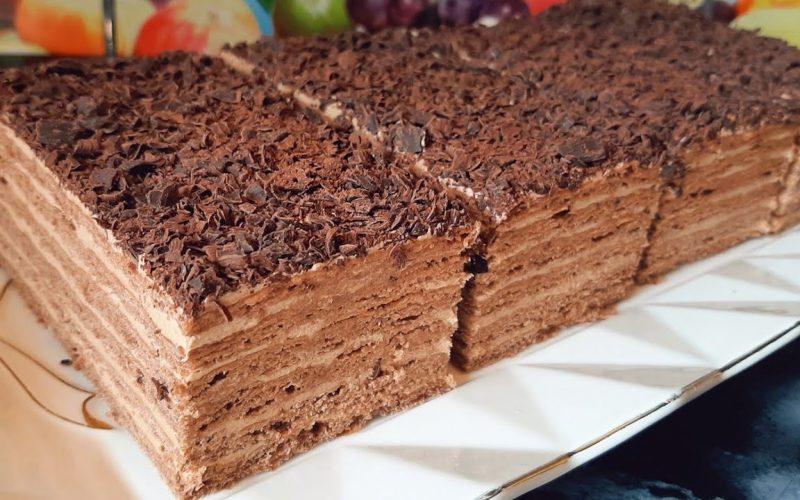
Armenia is a land renowned for its rich culinary heritage, where the flavors of the past mingle seamlessly with modern tastes. From fragrant lavash breads to aromatic stews and delicate pastries, Armenian cuisine has always been an expression of family, culture, and tradition. Among its many celebrated sweets, one dessert stands out for its elegance, richness, and intricate craftsmanship: Mikado, the famous Armenian layered chocolate cake.
Mikado is a dessert that combines layers of tender chocolate sponge with a smooth, luscious cream filling. Each slice is a visual delight, revealing alternating layers of dark chocolate and velvety cream. While the cake is indulgent, its flavor is perfectly balanced—sweet but never overwhelming, rich yet refined. It is a dessert that not only satisfies the palate but also tells a story of Armenian baking artistry.
Much like Armenian cuisine itself, Mikado is more than just a cake. It is a centerpiece for celebrations, a symbol of hospitality, and a reminder of the creativity and resilience of Armenian bakers throughout history. Whether enjoyed at a wedding, a holiday gathering, or a quiet afternoon with coffee, Mikado embodies the spirit of Armenian culture and the joy of shared moments.
In this article, we will explore the origins, preparation, and cultural significance of Mikado. We will look at its unique ingredients, the techniques that give it its characteristic layers, and the ways in which it continues to charm both locals and international dessert enthusiasts.
What Is Mikado?
Mikado is a layered chocolate cake that is widely recognized in Armenian cuisine for its elegance and refined flavor. Unlike traditional single-layer cakes, Mikado is composed of multiple thin layers of chocolate sponge, each separated by a smooth cream or buttercream filling. Its structure allows each bite to deliver a balance of cake and cream, creating a melt-in-your-mouth texture that is highly satisfying.
The cake is typically rectangular or round, though some bakers also create miniature versions or layered squares. It is often topped with a glossy chocolate glaze, a dusting of cocoa powder, or chopped nuts for added visual appeal and texture. Despite its intricate appearance, the cake relies on a few simple ingredients executed with precision and care.
Taste and Texture
The beauty of Mikado lies in its delicate balance of flavors and textures. The chocolate sponge layers are tender and moist, providing a slightly sweet backdrop for the cream filling. The filling, usually a buttercream or custard-based cream, adds richness and smoothness, creating a pleasing contrast with the cake layers.
A well-made Mikado is not overly sweet; the chocolate adds depth and bitterness that perfectly complements the creamy sweetness. Each bite is soft yet structured, allowing the layers to remain distinct while blending harmoniously on the palate.
Visual Appeal
Mikado is as much a feast for the eyes as it is for the taste buds. The side view of a slice reveals meticulously stacked layers of chocolate sponge and cream, often seven or more in number. The top of the cake is usually polished with a chocolate glaze, sprinkled with finely chopped nuts, or dusted with cocoa powder for elegance.
The visual symmetry of the layers and the deep chocolate color make Mikado an impressive centerpiece at any dessert table. Its appearance alone communicates care, craftsmanship, and tradition, reflecting the Armenian value of hospitality and attention to detail.
Historical Origins of Mikado
Armenian Baking Heritage
To understand Mikado, one must first appreciate the long-standing baking traditions of Armenia. Armenians have been making bread, pastries, and cakes for centuries, with recipes passed down through families and refined over generations. Bread was considered sacred, and sweet baked goods were reserved for special occasions and celebrations.
The Armenian Highlands, with their fertile valleys and abundant wheat production, provided the foundation for a rich baking culture. Ancient Armenians developed techniques for creating layered breads, pastries, and cakes, many of which influenced modern desserts like Mikado.
Over time, Armenia’s geographic location as a crossroads between Europe and Asia exposed bakers to foreign influences. Russian, Ottoman, and European pastry traditions all contributed to the evolution of Armenian desserts, introducing techniques such as layered cakes, custard fillings, and chocolate incorporation.
The Birth of Mikado
Mikado is believed to have emerged in the mid-20th century, though exact origins are difficult to pinpoint. Its creation was likely inspired by European layered chocolate cakes but adapted to Armenian tastes and ingredients. Armenian bakers embraced the concept of thin sponge layers combined with a rich cream, creating a dessert that was both indulgent and refined.
Initially, Mikado was popular in urban bakeries in Yerevan and other major cities. Its elegant appearance and balanced flavor made it a favorite for celebrations, from birthdays to weddings. Families soon began baking Mikado at home, incorporating their own variations while preserving its essential character.
Evolution Over Time
Over the decades, Mikado has evolved while maintaining its core identity. Some bakers add coffee or liqueur to enhance the flavor of the sponge or cream. Others experiment with nuts, chocolate curls, or modern presentation techniques. Despite these variations, Mikado remains distinctly Armenian, celebrated for its thin layers, smooth cream, and delicate balance of flavors.
In Armenian diaspora communities, Mikado became a symbol of culinary heritage. Bakers abroad preserved the traditional recipe while adapting it to local ingredients, ensuring that each generation could enjoy a taste of home.
Cultural Significance
Mikado in Celebrations
Mikado is a cake of celebration and joy. It is commonly served at weddings, birthdays, anniversaries, and major holidays such as Easter and Christmas. Its presence on a dessert table signifies hospitality, generosity, and the importance of sharing food with loved ones.
The process of making Mikado—layering each cake and cream carefully—reflects patience and care. This attention to detail mirrors the Armenian cultural value of treating guests with thoughtfulness and warmth.
Role in the Armenian Diaspora
For Armenians living outside their homeland, Mikado serves as a culinary bridge to their roots. Baking or serving the cake allows diaspora communities to maintain a connection to their heritage. Armenian bakeries around the world often feature Mikado as a signature dessert, introducing local populations to Armenian flavors while preserving tradition for the community.
Modern Recognition
Today, Mikado is gaining attention beyond Armenian borders. Food bloggers, culinary influencers, and international chefs are discovering its delicate layers, smooth cream, and balanced chocolate flavor. Its growing popularity showcases how traditional Armenian desserts continue to captivate global audiences.
Key Ingredients That Define Mikado
Cake Layers
The chocolate sponge is the foundation of Mikado. Key ingredients include flour, sugar, eggs, and cocoa powder. Achieving thin, even layers requires careful batter preparation and precise baking. The layers should be tender yet structured enough to hold the cream without collapsing.
Filling or Cream
The cream filling is what distinguishes Mikado from other layered cakes. Traditional recipes use buttercream or condensed milk-based cream, sometimes enriched with a touch of vanilla or coffee. The filling adds richness and smoothness, ensuring that each layer melds beautifully with the sponge.
Chocolate
Chocolate plays a central role in Mikado’s flavor profile. Bakers may use dark, milk, or semi-sweet chocolate in the sponge, the filling, or as a glaze. The chocolate provides depth and a subtle bitterness that balances the sweetness of the cream, creating a harmonious taste.
Optional Flavorings
Some recipes incorporate flavor enhancers such as vanilla, coffee, or liqueur. These additions deepen the cake’s complexity without overwhelming the delicate chocolate layers.
Preparation Process
Making the Cake Layers
The first step in preparing Mikado is creating the chocolate sponge. Eggs and sugar are beaten until light and fluffy, then flour and cocoa are folded in gently to preserve the airy texture. The batter is spread thinly on baking sheets and baked briefly until just set. Once cooled, the layers are trimmed and prepared for assembly.
Preparing the Cream
While the cake layers cool, the cream is prepared. Buttercream requires whipping butter with powdered sugar until smooth, often with the addition of condensed milk or vanilla extract. Custard-based creams involve cooking milk, sugar, and eggs until thickened, then cooling to achieve a spreadable consistency. The cream should be smooth, light, and slightly firm to support the layered assembly.
Assembling the Cake
Assembly requires patience. Each cake layer is spread evenly with cream, then stacked carefully to maintain uniformity. Bakers often chill each layer briefly to make spreading easier and to ensure stability. The result is a perfectly layered cake that is visually striking and structurally sound.
Decoration
Once assembled, Mikado is finished with a glossy chocolate glaze, a dusting of cocoa powder, or chopped nuts. Some modern presentations include chocolate curls, drizzles of caramel, or intricate piping on top. The decoration should complement the cake without overshadowing its delicate layers.
Variations of Mikado
Classic Armenian Mikado
The classic Mikado features thin chocolate layers and a simple buttercream or condensed milk-based filling. Its elegance lies in its simplicity, allowing the quality of the chocolate and cream to shine.
Nutty or Coffee Variations
Some bakers incorporate chopped nuts like walnuts or hazelnuts between the layers for added texture. Coffee-flavored cream or chocolate infused with coffee provides a sophisticated twist while maintaining the cake’s traditional structure.
Modern Interpretations
Modern adaptations of Mikado include mini cakes, cupcakes, or even deconstructed mousse versions. Innovative chefs experiment with fruit, caramel, or chocolate curls for unique presentations while preserving the essence of the layered chocolate cake.
Serving Mikado
Traditional Serving Style
Mikado is best served at room temperature or slightly chilled. It is usually cut into thin slices to showcase the alternating layers of chocolate and cream. Each slice should offer a harmonious bite of cake and filling.
Drink Pairings
Coffee and tea are natural companions for Mikado. A strong cup of Armenian coffee or black tea enhances the chocolate flavor, while a dessert wine or milk can provide a richer experience. The choice of beverage can elevate the cake from a simple treat to a full sensory experience.
Occasions
Mikado is a versatile dessert. It works equally well as a centerpiece for festive celebrations or as an indulgent treat for a quiet afternoon. Its elegance and layered structure make it ideal for family gatherings, holidays, or special occasions.
Mikado in Modern Armenian Cuisine
Cafés and Bakeries
In contemporary Armenia, Mikado remains a favorite in bakeries and cafés. Many establishments showcase freshly baked Mikado as a signature dessert, offering both classic recipes and creative interpretations for a new generation of dessert lovers.
Culinary Tourism
Mikado has also become part of Armenia’s culinary tourism. Visitors seeking authentic Armenian flavors often encounter Mikado on dessert tours, where they can taste the cake in traditional bakeries and learn about its preparation.
Social Media & Food Culture
Food bloggers and Armenian chefs increasingly highlight Mikado on social media. Recipes, tutorials, and photos share the cake with a global audience, introducing its layers, flavors, and cultural significance to people worldwide.
Tips for Making Authentic Mikado at Home
- Use high-quality chocolate to ensure a rich flavor.
- Prepare thin, even cake layers for balance with the cream.
- Chill layers slightly before spreading cream to prevent slipping.
- Balance sweetness to avoid overwhelming the chocolate.
- Take time with assembly; patience ensures a beautiful layered structure.
Similar Cakes in Other Cuisines
Mikado shares some similarities with Hungarian Dobos cake, Russian layered cakes, and European chocolate tortes. However, its distinct characteristics—thin sponge layers, lightly sweetened cream, and subtle chocolate richness—make it uniquely Armenian. Its simplicity and elegance distinguish it from overly rich or syrup-soaked desserts in neighboring cuisines.
Why Mikado Remains a Timeless Dessert
Mikado has endured because it combines elegance with approachability. It does not rely on exotic ingredients or overly complicated techniques, yet it delivers a sophisticated taste and presentation.
More importantly, Mikado carries emotional value. Families associate it with celebrations, shared memories, and the comfort of home baking. Its layered structure mirrors the layers of Armenian culture—rich, resilient, and crafted with care. These qualities ensure that Mikado remains a dessert that transcends generations.
Mikado is more than just a layered chocolate cake. It is a symbol of Armenian culinary artistry, cultural pride, and the joy of sharing food with loved ones. From its tender chocolate sponge and velvety cream filling to its elegant presentation, every aspect of Mikado reflects tradition, care, and craftsmanship.
For those who wish to experience this iconic dessert, nothing compares to tasting Mikado in Armenia itself. The country’s bakeries and cafés offer freshly baked versions that capture its delicate layers and rich flavor. Contact us, and we’ll gladly help you plan a journey to Armenia, where you can savor Mikado and other traditional desserts while experiencing the warmth of Armenian hospitality firsthand.
Whether baked at home or enjoyed in its homeland, Mikado remains a timeless celebration of flavor, culture, and shared joy—truly one of Armenia’s most cherished culinary treasures.
To truly experience the magic of Mikado, there’s no better way than to taste it in Armenia itself—where every slice comes alive with fresh chocolate, creamy layers, and the warmth of genuine Armenian hospitality. Contact us, and we’ll help you plan a journey to discover this iconic dessert and the rich culinary traditions that surround it.





37 Responses
Alright, let’s see what seubetcasino’s got goin’ on. A fresh face is always worth a peek. Maybe this time’s my lucky time, right? What about you? seubetcasino
Gonna try my luck with 777sambaslots. The name caught my eye, let’s see if the games deliver. Feeling lucky! Just give it a try 777sambaslots.
Alright, checked out baazi888! Seems like a decent spot for a quick game. Nothing too fancy, but gets the job done. Give baazi888 a shot if you’re looking for some easy fun.
Downloaded the app365bet app recently. Works pretty smooth on my phone. Betting on the go is definitely a convenience. Give it a try if you want mobile action. app365bet
Saw some ads for j8. Gave it a shot. It’s decent. Nothing amazing, but not terrible either. Middle of the road, I’d say. j8
Finding the phlwinlogin details can be a pain, but this link phlwinlogin sorted me right out. Cheers! Saved me ages trawling through search results.
The games selection is absolutely amazing and I tend to win quite frequently so I would highly recommend this platform
Been playing online for years and honestly this platform treats you like royalty from day one. The VIP tier benefits add up quickly and I never have to wait days for a withdrawal request. Game selection is huge and they update their library way faster than most competitors. A solid choice for serious players. mmvip8800
Just discovered this spot and the payout speed is honestly impressive. Customer service actually picks up on weekends which makes a huge difference. I really suggest checking mmmya777 if you want a stress free gambling session.
Logging in here feels like stepping into a cozy lounge where the drinks are cold and the entertainment never stops. I appreciate how easy it is to navigate between my favorite titles without any confusing menus. A truly comfortable gaming escape.
I have been looking for a reliable spot to unwind after work and this platform truly delivers. The slot selection is fantastic and the live dealer section feels like being right there in the city. Customer service responded in minutes whenever I had a quick question. Highly recommend giving it a try if you want a smooth and fair gaming environment. bessoncolombia
I finally found a reliable spot to grab my casino games. The download process was so smooth and I was up and running in minutes. Great job keeping everything secure and fast for us players. pg777bddownloadapk
[6514]zeetbuzz অফিসিয়াল লগইন | বিকাশ পেমেন্ট ও অনলাইন স্লট গেম,zeetbuzz অ্যাপ ডাউনলোড করে সেরা লাইভ ক্যাসিনো গাইড এবং অনলাইন স্লট গেমের অভিজ্ঞতা নিন। বিকাশ পেমেন্ট সুবিধা নিয়ে আজই জয়েন করুন। visit: zeetbuzz
[3452]viptaka23 Official Login | বিকাশ পেমেন্ট ও সেরা স্লট গেম,viptaka23 অফিসিয়াল সাইটে লগইন করে সেরা অনলাইন স্লট গেম খেলুন। বিকাশ পেমেন্টের মাধ্যমে দ্রুত লেনদেন এবং আকর্ষণীয় বোনাস অফার পেতে আজই অ্যাপটি ডাউনলোড করুন। visit: viptaka23
[3108]111bit অফিসিয়াল লগইন | বিকাশ পেমেন্টে অনলাইন স্লট গেম,111bit অফিসিয়াল সাইটে লাইভ ক্যাসিনো নিয়ম মেনে খেলুন। অ্যাপ ডাউনলোড করে বিকাশ পেমেন্টে সহজ লেনদেনের অভিজ্ঞতা নিন। আজই যোগ দিন। visit: 111bit
[7536]Fonbet | Link Vào Chính Thức – Casino Trực Tuyến Uy Tín Số 1,Fonbet cung cấp link vào chính thức an toàn. Trải nghiệm casino trực tuyến uy tín, dễ dàng tải app APK và nạp tiền qua ví điện tử nhanh chóng. Truy cập ngay hôm nay! visit: fonbet
I have tried a few sites lately but this one feels the most reliable. Great game variety and no lag at all. Highly recommend idmustang77 to everyone.
Super easy to navigate and the customer support is actually helpful. Great job on the layout of jljl22login.
The bonuses they offer are actually decent and not just clickbait. I had a blast playing on bdfk77 last night!
Really honest platform with fair odds. I appreciate how transparent everything is here. Good luck to everyone playing! pk365lucky
Super easy to get started and the app runs like a dream. Everything is just where it should be. I’m sticking with superlgregisterloginapp.
This is definitely the go-to spot for anyone looking for a fun and rewarding experience. The local support is a huge plus. Visit phpkjili
A wonderful platform with a lot of bonuses for new players. I felt welcomed from the moment I signed up. Check out idistanaimpian1
The VIP treatment here is actually legit. Better rewards and more exclusive events than other sites I have used. Join 2q88vip for the best perks.
Such a fun platform with plenty of options to keep you entertained. I spend most of my free time on yoyogame777
[7365]casinodays লগইন এবং অ্যাপ ডাউনলোড | বিকাশ স্লট গেম বাংলাদেশ,casinodays লগইন করুন এবং বিকাশ দিয়ে স্লট গেম উপভোগ করুন। আকর্ষণীয় বাংলাদেশ অনলাইন ক্যাসিনো বোনাস পেতে আজই অ্যাপ ডাউনলোড করে খেলা শুরু করুন। visit: casinodays
Really impressed with the speed of the deposits here. It is hard to find a platform that doesn’t lag during peak hours, but vnsk168 handles it like a pro.
I’ve tried a few sites lately but this one really stands out. The interface is super smooth and the payouts are legit. Definitely my new go-to spot. Check out selayar88slot for a great experience.
[1235]pojok লগইন এবং অ্যাপ ডাউনলোড | রিয়েল মানি স্লট গেম বাংলাদেশ,pojok লগইন করার নিয়ম জানুন এবং অ্যাপ ডাউনলোড করে রিয়েল মানি স্লট গেম খেলুন। বিকাশ দিয়ে অনলাইন ক্যাসিনো ডিপোজিট করে আজই শুরু করুন। visit: pojok
This place has a great vibe and the bonuses are actually fair. I am really enjoying my time on inyooe777 lately.
I’ve been playing here for a few weeks now and the payout speed is impressive. Definitely my new favorite spot for some action. Check out brsuoerbet
Really loving the variety of options available here. It keeps things exciting and I never get bored. Cheers to the team at bdzb777 for this awesome experience.
This site has a very welcoming vibe. I love how clean the layout is and the games are top notch. idpopi99
Super easy to navigate and the rewards system is actually rewarding. I love how simple it is to start playing. Download okplayslotapp
Finally found a site that doesn’t crash every five minutes. The support team is helpful and the registration was a breeze. Check out fc777login if you want a hassle-free experience.
Love the energy of this site! It is exciting and full of opportunities to win big. I am having a blast playing on inyolo365 every single day.
Honestly the best experience I have had in a long time. The rewards are fair and the gameplay is super addictive. Big fan of idminion178