

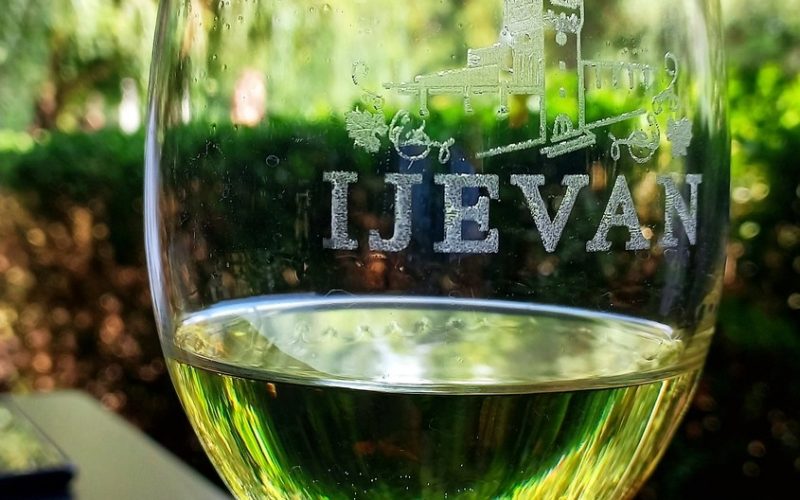
Armenia is widely recognized as one of the cradles of global winemaking, a country where viticulture is not merely an agricultural practice but a living continuation of thousands of years of history. Nestled in the South Caucasus, Armenia’s mountainous terrain, volcanic soils, and high-altitude vineyards have shaped a distinctive wine culture that predates many of the world’s most famous wine regions. For Armenians, wine has always been more than a beverage—it is a symbol of identity, tradition, and continuity between past and present.
Archaeological discoveries have firmly cemented Armenia’s place in the history of wine. The most remarkable of these is the Areni-1 cave complex, located in the Vayots Dzor region. Here, archaeologists uncovered what is considered the world’s oldest known winery, dating back over 6,000 years. The site included a wine press, fermentation vessels, storage jars, and even drinking cups, offering clear evidence of organized wine production in ancient Armenia. These findings confirm that winemaking on Armenian soil was already highly developed in the Chalcolithic period, long before it spread to many other parts of the world.
Throughout history, wine has played a central role in Armenian culture, rituals, and hospitality. It has been used in religious ceremonies, family celebrations, and communal feasts, often symbolizing life, fertility, and blessing. Traditional Armenian toasts, led by a respected host, reflect deep cultural values such as respect for ancestors, friendship, and gratitude. Offering wine to a guest has long been a sign of honor and warmth, reinforcing the idea that wine is inseparable from the Armenian way of life.
One of the key reasons Armenian wines pair so exceptionally well with traditional Armenian cuisine lies in their shared origins. Indigenous grape varieties such as Areni Noir, Voskehat, and Kangun evolved alongside local culinary traditions based on lamb, beef, fresh herbs, grains, legumes, and fermented dairy products. The natural acidity, moderate alcohol levels, and expressive yet balanced flavor profiles of Armenian wines complement the richness, spices, and smoky notes characteristic of many Armenian dishes. This harmony is not accidental—it is the result of centuries of parallel development between food and wine.
The purpose of this article is to explore the best Armenian wines and how they enhance traditional Armenian cuisine. Beginning with an understanding of Armenia’s ancient winemaking roots, the article will then examine key indigenous grape varieties, major wine regions, and specific wine styles. Finally, it will focus on practical and authentic wine-and-food pairings, demonstrating how Armenian wines bring out the best in classic Armenian dishes and offer a uniquely cohesive gastronomic experience.
Overview of Armenian Cuisine: Flavors, Ingredients, and Culinary Philosophy
Armenian cuisine is deeply rooted in the country’s geography, climate, and agricultural traditions. Shaped by centuries of home cooking, village life, and communal feasting, it reflects a philosophy of simplicity, respect for ingredients, and natural balance. Just like Armenian wine, Armenian food is built on authenticity and harmony, making the two inseparable at the table.
Key Characteristics of Armenian Food
One of the defining features of Armenian cuisine is its strong emphasis on fresh, seasonal, and locally sourced ingredients. Historically, most Armenian families relied on what they could grow, raise, or preserve themselves. As a result, dishes are closely tied to the seasons, with fresh herbs and vegetables in spring and summer, and preserved, dried, or fermented foods sustaining households through winter.
Rather than masking flavors with heavy sauces, Armenian cooking highlights the natural taste of each ingredient. Herbs, spices, and aromatics are used thoughtfully to enhance, not overpower, the core components of a dish. Garlic, onions, basil, cilantro, tarragon, mint, and black pepper are common, while spice blends tend to be restrained, allowing the primary flavors of meat, vegetables, and grains to shine.
Another important characteristic is the balance between meat-based, vegetarian, and dairy dishes. While Armenia is known for its grilled meats and hearty stews, the cuisine also offers a wide variety of vegetable-based meals, legume dishes, and dairy-centered recipes. This diversity creates a broad spectrum of textures and flavors, which in turn allows for versatile and nuanced wine pairings—from light whites and rosés to structured reds.
Common Ingredients in Traditional Armenian Dishes
Meat plays a central role in many traditional Armenian meals. Lamb and beef are especially prominent, valued for their richness and depth of flavor, while pork and chicken are also widely used. These meats often appear grilled, roasted, or slowly cooked, sometimes marinated with herbs and spices to enhance tenderness and aroma.
Dairy products are equally essential. Matsun, a thick and slightly tangy yogurt, is a cornerstone of Armenian cuisine, used both as a standalone food and as a base for soups, sauces, and drinks. Armenian cheeses, such as chanakh and lori, range from soft and brined to semi-hard and mildly aged, offering salty and creamy profiles that pair naturally with both white and red wines.
Grains and bread form the foundation of daily meals. Lavash, the iconic thin flatbread baked in a tonir oven, accompanies almost every dish and is recognized by UNESCO as an element of intangible cultural heritage. Bulgur and wheat are commonly used in pilafs, soups, and meat dishes, adding texture and earthiness to the cuisine.
Vegetables and herbs are abundant and diverse. Eggplant, tomatoes, and peppers are staples, often grilled, stuffed, or stewed. Fresh greens and herbs are served not only as seasonings but also as side dishes and salads, contributing freshness and aromatic complexity.
Fruits and nuts add another layer of flavor and symbolism. Pomegranate, often considered a national symbol, appears in sauces, salads, and garnishes. Apricots—fresh, dried, or preserved—bring natural sweetness and acidity, while walnuts are frequently used in sauces and fillings, adding richness and depth.
Cooking Techniques Influencing Wine Pairing
Traditional Armenian cooking techniques play a significant role in determining how dishes interact with wine. Grilling and roasting, especially in the form of khorovats (Armenian barbecue), impart smoky, charred flavors that pair well with medium- to full-bodied red wines or structured whites with good acidity.
Slow cooking and stewing are common methods for preparing meat and vegetable dishes, allowing flavors to develop gradually and deeply. These dishes often have rich, layered profiles that benefit from wines with complexity and balance rather than aggressive tannins.
Baking in underground tonir ovens is another ancient technique that influences flavor. The intense, even heat of the tonir gives bread, meats, and vegetables a distinctive texture and subtle smokiness, creating natural affinity with wines that express minerality and earthy notes.
Pickling and fermentation, used to preserve vegetables and dairy products, introduce acidity and umami into Armenian meals. These elements can refresh the palate and call for wines with crisp acidity and clean finishes, ensuring that food and wine remain in harmony throughout the meal.
Together, these ingredients and techniques define Armenian cuisine as robust yet balanced, deeply traditional yet adaptable—qualities that make it an ideal partner for Armenia’s diverse and expressive wines.
Armenian Terroir and Winemaking Traditions
Armenian wine is inseparable from the land on which it is produced. The country’s diverse geography, extreme elevations, and ancient winemaking knowledge have shaped a style of wine that is both distinctive and deeply rooted in tradition. Understanding Armenia’s terroir and winemaking practices is essential to appreciating why its wines pair so naturally with traditional Armenian cuisine.
Geography and Climate of Armenian Wine Regions
Despite its relatively small size, Armenia boasts a remarkable diversity of wine regions, each with its own microclimate and soil composition. One of the defining features of Armenian viticulture is altitude: many vineyards are located between 900 and 1,600 meters above sea level, among the highest in the world. This elevation, combined with volcanic soils and a continental climate, creates ideal conditions for growing grapes with intense flavor, vibrant acidity, and balanced structure.
Vayots Dzor is often considered the heart of Armenia’s modern wine renaissance. Located in the southeast, this region is known for its dramatic mountains, rocky landscapes, and ancient vineyards, including those near the Areni-1 cave. High altitudes, significant day–night temperature differences, and limestone-volcanic soils contribute to wines with elegance, freshness, and strong varietal expression, particularly from the Areni Noir grape.
The Ararat Valley is Armenia’s most historically significant agricultural region. With its warmer climate, fertile soils, and abundant sunshine, it has long been associated with grape growing and fruit cultivation. Wines from this area tend to be fuller-bodied and riper, often showing generous fruit character, making them well-suited to hearty meat dishes and traditional stews.
Aragatsotn, located near Mount Aragats, combines high-altitude vineyards with cooler temperatures. The region produces both white and red wines characterized by pronounced acidity and mineral notes. These qualities make Aragatsotn wines especially compatible with herb-driven dishes, grilled vegetables, and dairy-based foods.
Armavir, situated in the western part of the country, benefits from volcanic soils and a relatively dry climate. The region is known for structured wines with good aging potential, as well as high-quality brandy production. Its wines often display depth and balance, reflecting both modern techniques and traditional practices.
Tavush, in northeastern Armenia, stands apart due to its more humid, forested environment. With milder temperatures and greener landscapes, Tavush produces lighter, fresher wine styles, often with aromatic profiles. These wines pair well with vegetable-forward dishes, fish, and lighter poultry preparations.
Across all regions, Armenia’s continental climate—characterized by hot summers and cold winters—encourages slow, even ripening. Volcanic soils add minerality and complexity, while high altitude preserves acidity, a key factor in food-friendly wines.
Indigenous Armenian Grape Varieties
Armenia is home to hundreds of indigenous grape varieties, many of which are now being rediscovered and cultivated by modern winemakers. These grapes have evolved in harmony with local cuisine, making them particularly well-suited for traditional food pairings.
Areni Noir is Armenia’s flagship red grape and one of the country’s most historically significant varieties. Naturally resistant to harsh climates, it produces wines with bright acidity, moderate tannins, and flavors of red berries, cherries, and subtle spice. Often compared to Pinot Noir or Nebbiolo in structure, Areni Noir pairs exceptionally well with grilled meats, lamb dishes, and herb-seasoned foods without overwhelming them.
Voskehat, whose name translates as “the golden grape,” is Armenia’s most celebrated white variety. It is highly versatile, capable of producing fresh, aromatic wines as well as more complex, oak-aged styles. Typical flavor notes include stone fruits, citrus, and floral elements, with a balanced acidity that complements dairy-based dishes, fish, poultry, and fresh herbs.
Kangun is a white grape known for its firm structure and refreshing acidity. Often used in blends but increasingly bottled as a single variety, Kangun produces clean, crisp wines with subtle fruit and mineral character. Its brightness makes it an excellent match for pickled vegetables, light salads, and dishes featuring matsun or fresh cheese.
Karmrahyut is a powerful red grape with deep color, pronounced tannins, and strong aging potential. Wines made from Karmrahyut tend to be bold and concentrated, with dark fruit, spice, and earthy notes. These characteristics make it a natural partner for rich meat dishes, slow-cooked stews, and celebratory meals.
Sireni, also known as Khndoghni, originates from the Artsakh region and is known for its intensity and robust tannic structure. It produces full-bodied wines with dark berry flavors, high acidity, and significant depth. Sireni wines stand up well to smoky, grilled foods such as khorovats and dishes with strong seasoning.
Traditional and Modern Winemaking Methods
Armenia’s winemaking traditions combine ancient techniques with modern innovation. One of the most distinctive traditional methods is karas fermentation, in which wine is fermented and aged in large clay amphorae buried in the ground. This method allows for natural temperature regulation and gentle micro-oxygenation, resulting in wines with textured mouthfeel and earthy complexity.
Many Armenian winemakers today embrace natural and low-intervention approaches, using native yeasts, minimal filtration, and limited sulfur. This philosophy aligns closely with the country’s historical practices and emphasizes authenticity and expression of terroir.
At the same time, contemporary Armenian wineries also draw on European winemaking techniques, including stainless steel fermentation, controlled aging, and the use of oak barrels. The comparison is not a contradiction but a dialogue between old and new, allowing winemakers to refine quality while preserving identity.
In recent decades, there has been a conscious revival of ancient methods, particularly karas winemaking, as part of Armenia’s broader cultural and enological renaissance. By blending time-honored practices with modern expertise, Armenian winemakers are creating wines that honor their heritage while meeting international standards—wines that are uniquely suited to accompany the depth and diversity of traditional Armenian cuisine.
Principles of Pairing Armenian Wine with Armenian Food
Pairing Armenian wine with Armenian cuisine is not simply a matter of applying universal wine rules; it is about understanding balance, tradition, and the natural relationship between local food and local wine. The shared history and parallel development of Armenia’s culinary and winemaking traditions create a framework in which harmony often comes intuitively.
Understanding Flavor Balance
The foundation of successful pairing lies in matching the intensity of the wine with the intensity of the dish. Light, delicate foods can easily be overwhelmed by powerful, tannic wines, while rich, hearty dishes require wines with enough structure and flavor to stand alongside them. Armenian cuisine, which ranges from fresh herb salads to slow-cooked meat stews, calls for a wide spectrum of wine styles.
Acidity plays a particularly important role in Armenian wine pairings. Many traditional dishes include fatty meats, dairy products, or grilled elements, all of which benefit from wines with lively acidity that refresh the palate and cut through richness. High-altitude Armenian wines, known for their natural freshness, excel in this role.
Tannins are another key factor, especially when pairing red wines with meat-based dishes. Wines with moderate to firm tannins, such as those made from Areni Noir or Sireni, interact with proteins by softening their astringency and enhancing mouthfeel. This makes them well-suited to lamb, beef, and grilled meats common in Armenian cuisine.
Sweetness and alcohol must also be considered, though they are usually secondary in traditional Armenian pairings. Slightly off-dry or fruit-forward wines can balance salty cheeses or spicy elements, while excessive alcohol can overpower subtle flavors. Armenian wines tend to maintain moderate alcohol levels, which helps preserve balance and food compatibility.
Cultural Pairing vs. Classic Wine Rules
While classic wine pairing principles offer useful guidelines, Armenian food and wine culture is deeply influenced by the idea that “what grows together goes together.” This philosophy suggests that local wines naturally complement local dishes because they share the same environment, climate, and cultural history.
Regional food-and-wine synergy is especially evident in Armenia. Wines from Vayots Dzor, for example, pair seamlessly with the region’s herb-driven dishes and grilled meats, while wines from the Ararat Valley often match the richness of its traditional meat-heavy cuisine. These combinations evolved organically over generations, long before formal wine theory existed.
Cultural pairing also values context and tradition over rigid rules. In Armenian households, wine is often chosen based on occasion, season, and communal preference rather than strict sommelier logic. This flexible, experience-based approach encourages experimentation and emphasizes enjoyment, making the dining experience more inclusive and authentic.
Texture and Cooking Method Considerations
Beyond flavor, texture and cooking methods significantly influence wine selection. Grilled dishes, especially khorovats, develop smoky, charred notes that pair well with wines offering structure, minerality, or subtle spice. Medium- to full-bodied reds or textured whites with good acidity often complement these flavors without competing with them.
Stewed and slow-cooked dishes tend to have softer textures and deeper, more integrated flavors. These characteristics call for wines with complexity and roundness rather than sharp edges. Wines with gentle tannins or some bottle age can mirror the softness of the dish and create a cohesive pairing.
Fat content and protein structure also matter. Fatty cuts of meat and dairy-rich dishes benefit from wines with acidity and tannin to cleanse the palate, while leaner proteins pair better with lighter, more aromatic wines. Armenian cuisine offers both extremes, making balance the key consideration.
Finally, spices and herbs have a direct impact on wine selection. Fresh herbs and greens often pair best with aromatic, mineral-driven wines that echo their freshness. Heavily spiced or garlic-forward dishes require wines that are expressive but not overpowering, allowing both food and wine to retain their individual character while enhancing each other.
By focusing on balance, tradition, and texture, Armenian wine pairings move beyond theory into a natural and culturally grounded practice—one that highlights the deep connection between Armenia’s vineyards and its table.
Best Armenian Red Wines and Their Ideal Food Pairings
Armenian red wines are defined by balance, freshness, and a strong sense of place. Made primarily from indigenous grape varieties, they offer a wide range of styles—from elegant and restrained to bold and powerful—making them exceptionally versatile at the table. When paired with traditional Armenian dishes, these wines reveal their full character and cultural purpose.
Areni Noir: The Flagship Red Grape
Areni Noir is the most emblematic red grape of Armenia and the cornerstone of the country’s modern wine identity. Grown predominantly in high-altitude vineyards, especially in the Vayots Dzor region, Areni Noir produces wines with remarkable finesse and food-friendly structure.
The flavor profile of Areni Noir typically features bright red berries such as cherry, cranberry, and raspberry, complemented by subtle spice notes, hints of dried herbs, and a pronounced mineral backbone. Its natural acidity and moderate tannins give the wine elegance and freshness rather than heaviness, making it highly adaptable to a wide range of dishes.
One of the most classic pairings for Areni Noir is khorovats, Armenia’s iconic grilled meat. The wine’s acidity cuts through the richness of grilled lamb, pork, or beef, while its delicate spice echoes the smoky, charred flavors from the grill. Areni Noir also pairs beautifully with dolma, whether wrapped in grape leaves or cabbage. The wine’s freshness balances the herbal and savory elements of the filling without overpowering them.
Lamb dishes, particularly those seasoned with herbs or slowly roasted, are another ideal match. Areni Noir enhances the natural sweetness of lamb while maintaining harmony through its restrained tannin structure. Basturma, Armenia’s air-dried, heavily spiced beef, also works surprisingly well with Areni Noir, as the wine’s acidity and minerality help temper the intensity of garlic and spices.
Sireni (Khndoghni): Powerful and Structured Reds
Sireni, also known as Khndoghni, represents the more powerful side of Armenian red winemaking. Native to the Artsakh region, this grape produces deeply colored, full-bodied wines with bold tannins, high acidity, and intense dark fruit character.
Typical flavor notes include blackberries, black cherries, plums, and earthy undertones, often accompanied by spice and smoky nuances. The firm structure and concentration of Sireni wines make them particularly well-suited to rich, robust dishes.
Beef stews are among the best food matches for Sireni. Slow-cooked meats with layered flavors and thick sauces soften the wine’s tannins and allow its depth to shine. Game meats, such as venison or wild boar, also pair exceptionally well, as their intense flavors mirror the wine’s power and complexity.
Sireni is an excellent companion to aged Armenian cheeses, whose saltiness and firmness balance the wine’s structure. Spiced meat dishes, including heavily seasoned grilled or roasted meats, benefit from Sireni’s bold profile, which stands up to strong flavors without losing balance.
Karmrahyut and Other Lesser-Known Reds
Karmrahyut is one of Armenia’s most distinctive yet lesser-known red grape varieties. Known for its deep color, robust tannins, and impressive aging potential, it produces wines that are bold, concentrated, and often best enjoyed with food. Flavor profiles typically include dark fruits, black pepper, earthy notes, and hints of dried herbs.
These wines pair particularly well with hearty Armenian dishes such as slow-cooked lamb, rich stews, and celebratory meat-based meals. Their structure makes them suitable for long, multi-course feasts, where food and wine are enjoyed slowly and in abundance.
Other indigenous or locally revived red varieties contribute to Armenia’s diversity of styles, often reflecting specific regional terroirs and winemaking philosophies. These wines are especially well-suited to festive tables, weddings, and large family gatherings, where robust flavors, generous portions, and extended meals call for wines with stamina and character.
Together, Armenian red wines showcase the depth and versatility of the country’s winemaking heritage. When paired thoughtfully with traditional cuisine, they do more than complement the food—they become an integral part of the Armenian dining experience.
Best Armenian White Wines and Their Food Pairings
Armenian white wines are gaining increasing recognition for their elegance, freshness, and strong sense of terroir. Made from indigenous grape varieties and often grown at high altitudes, these wines offer vibrant acidity and aromatic complexity, making them especially well-suited to the herb-forward and dairy-rich elements of Armenian cuisine.
Voskehat: Armenia’s Most Elegant White Grape
Voskehat, often referred to as Armenia’s most refined white grape, is prized for its expressive aromatics and versatility. Depending on vineyard location and winemaking style, Voskehat can produce both crisp, light-bodied wines and more complex, textured expressions, including oak-aged or skin-contact versions.
The aromatic profile of Voskehat typically includes stone fruits such as apricot and peach, delicate floral notes, and subtle hints of honey and citrus. Its balanced acidity and layered character make it one of the most food-friendly white wines in Armenia.
Voskehat pairs beautifully with fish dishes, particularly trout from Lake Sevan, a regional specialty. The wine’s freshness enhances the delicate flavor of the fish, while its aromatic complexity adds depth without overwhelming the dish. Poultry dishes, whether roasted, grilled, or gently stewed, are another natural match, as Voskehat complements tender meat and mild seasoning.
Vegetable-based dishes and plates rich in fresh herbs also benefit from Voskehat’s floral and fruit-driven profile. Soft Armenian cheeses, including young or lightly aged varieties, pair exceptionally well, as the wine’s acidity balances creaminess while its subtle sweetness rounds out salty notes.
Kangun and Blended White Wines
Kangun is known for its firm structure, pronounced acidity, and clean, restrained fruit character. While it is often used in blends to add freshness and backbone, single-varietal Kangun wines are increasingly appreciated for their clarity and precision.
Wines made from Kangun or Kangun-based blends are ideal matches for lighter dishes and cold appetizers. Fresh salads, herb plates, and vegetable-based starters pair well with the wine’s crisp profile, which enhances freshness and refreshes the palate.
Matsun-based dishes, including cold soups and yogurt sauces, benefit from Kangun’s acidity, which mirrors the natural tang of fermented dairy. Light pastries, lavash-based dishes, and flatbreads also work well, as the wine provides structure without overshadowing delicate flavors.
Orange and Skin-Contact Wines
Orange and skin-contact white wines are experiencing growing popularity in Armenia, particularly among producers reviving ancient winemaking methods such as fermentation in karas. These wines, made by fermenting white grapes with their skins, offer more texture, tannin, and complexity than conventional whites.
The resulting flavor profiles often include dried fruits, tea-like notes, herbs, and earthy nuances, making them especially suitable for food pairing. Herb-heavy dishes, common in Armenian cuisine, find a natural partner in these wines, as both share aromatic intensity and depth.
Pickled vegetables, which can be challenging to pair with wine, work well with skin-contact wines due to their structure and acidity. Vegetarian and vegan meals, particularly those based on legumes, grains, and roasted vegetables, also pair harmoniously, as orange wines provide body and grip without relying on meat-based richness.
Together, Armenian white wines—from elegant Voskehat to structured Kangun and expressive orange wines—demonstrate remarkable versatility. Their ability to complement a wide range of traditional dishes highlights the depth and adaptability of Armenia’s winemaking tradition.
Armenian Rosé Wines: A Versatile Companion
Armenian rosé wines occupy a unique and increasingly popular place in the country’s modern wine scene. Drawing on indigenous grape varieties and high-altitude vineyards, these wines combine freshness, elegance, and gastronomic versatility, making them an excellent bridge between red and white styles.
Armenian rosé wines are typically crafted from red grape varieties such as Areni Noir and, in some cases, Sireni, using short skin contact to achieve their characteristic color and balance. The resulting styles range from pale, delicate rosés to more насыщенные, structured expressions. Common characteristics include bright acidity, moderate alcohol, and fresh aromas of red berries, wild strawberries, pomegranate, and subtle floral notes. Thanks to Armenia’s climate and elevation, rosé wines often retain remarkable freshness and clarity of flavor.
These wines are especially well-suited to warm-weather dining and social occasions. Armenian rosé is a natural choice for spring and summer meals, outdoor gatherings, picnics, and festive tables where a single wine needs to complement a variety of dishes. Its lightness and refreshing character make it approachable, while its structure ensures it remains food-friendly rather than purely aperitif-style.
Grilled vegetables are among the best pairings for Armenian rosé. Eggplant, peppers, tomatoes, and zucchini, especially when lightly charred, harmonize with the wine’s acidity and subtle fruitiness. The rosé enhances smoky notes without overpowering the natural sweetness of the vegetables.
Cold appetizers, such as herb plates, vegetable salads, and mezze-style starters, also pair exceptionally well. The wine’s freshness mirrors the lightness of these dishes, while its aromatic profile complements herbs and fresh produce.
Cheese platters featuring soft and semi-soft Armenian cheeses benefit from rosé’s balance of acidity and fruit. The wine cuts through creaminess while softening salty notes, making it a versatile choice when multiple cheeses are served.
Light meat dishes, including grilled chicken, turkey, or lightly seasoned pork, are another excellent match. Armenian rosé provides enough structure to complement protein while remaining refreshing and elegant, ensuring harmony throughout the meal.
Overall, Armenian rosé wines offer flexibility, approachability, and balance. Their ability to adapt to different dishes, occasions, and seasons makes them a valuable and often underestimated companion to traditional Armenian cuisine.
Dessert Wines and Sweet Armenian Specialties
Sweet and dessert wines hold a special place in Armenian culinary tradition, reflecting the country’s abundance of sun-ripened fruits and long-standing methods of preservation. These wines are often enjoyed at the end of a meal or during festive occasions, where sweetness symbolizes hospitality, celebration, and generosity.
Armenian Fruit Wines and Late-Harvest Grapes
In addition to grape-based wines, Armenia has a rich tradition of producing fruit wines, particularly from pomegranate, apricot, and quince. These fruits have deep historical and cultural significance and are closely associated with Armenian identity and symbolism.
Pomegranate wine is perhaps the most iconic, as the pomegranate itself represents life, fertility, and prosperity in Armenian culture. Pomegranate wines typically balance natural sweetness with refreshing acidity, offering flavors of tart red fruit, gentle tannin, and subtle bitterness. Apricot wine, made from Armenia’s celebrated apricots, is softer and more aromatic, with honeyed sweetness and floral notes. Quince wine, less common but highly distinctive, delivers intense aromatics, firm acidity, and a structured mouthfeel.
Late-harvest grape wines, produced from overripe grapes, are another important category. These wines concentrate natural sugars and flavors while retaining acidity, resulting in rich yet balanced sweetness. Historically, such wines were often made for special occasions and long winter months, underscoring their role in Armenian hospitality and celebration.
Pairing Sweet Wines with Armenian Desserts
Sweet Armenian wines pair naturally with traditional desserts, many of which are based on butter, nuts, dried fruits, and delicate sweetness rather than heavy creams.
Gata, a beloved Armenian pastry with a rich, buttery dough and lightly sweet filling, pairs well with late-harvest white wines or apricot wine. The wine’s sweetness complements the pastry without overwhelming it, while acidity prevents the pairing from becoming cloying.
Pakhlava, layered with nuts, honey, and spices, calls for wines with enough intensity to match its richness. Pomegranate wine or a structured late-harvest grape wine works particularly well, as the acidity and fruit character balance the dessert’s dense texture and sweetness.
Dried fruits and nuts, such as apricots, figs, walnuts, and almonds, are a natural match for both fruit wines and sweet grape wines. The shared flavors create harmony, while the wine enhances the depth and complexity of these simple yet traditional treats.
Churchkhela-style sweets, made from nuts coated in thickened fruit juice, pair especially well with pomegranate or quince wines. The wine echoes the fruit-based sweetness of the dessert while adding freshness and structure, resulting in a cohesive and culturally rooted pairing.
Together, Armenian dessert wines and sweet specialties highlight the country’s deep connection to fruit, sun, and celebration. These pairings offer a fitting conclusion to a traditional Armenian meal, combining history, flavor, and symbolism in every sip and bite.
Wine Pairing Guide for Iconic Armenian Dishes
Some Armenian dishes are so central to the national cuisine that they appear at nearly every family celebration and festive table. Pairing these iconic meals with the right Armenian wines enhances not only flavor but also cultural authenticity, reinforcing the deep bond between food, wine, and tradition.
Khorovats (Armenian Barbecue)
Khorovats is the undisputed centerpiece of Armenian outdoor dining and celebrations. Made from pork, lamb, beef, or chicken and grilled over open flames, it develops smoky, charred flavors and rich, juicy textures.
For red wine pairings, Areni Noir is one of the most versatile and reliable choices. Its bright acidity, moderate tannins, and subtle spice complement grilled meats without overwhelming them. For bolder versions of khorovats, especially those made with beef or lamb, structured reds such as Sireni or Karmrahyut offer the depth and tannin needed to stand up to intense flavors and smoky notes.
Armenian rosé wines are also excellent companions, particularly in warm weather. Their freshness, red fruit character, and balanced structure make them ideal for pork or chicken khorovats, as well as mixed grill platters served with vegetables and herbs.
Dolma Variations
Dolma is one of the most diverse and adaptable dishes in Armenian cuisine, with variations based on wrapping, filling, and seasoning. These differences significantly influence wine pairing.
Grape leaf dolma, typically lighter and more herb-driven, pairs well with fresh, aromatic wines. Voskehat or a crisp Kangun-based white complements the herbal notes and acidity of the dish, while a light-bodied Areni Noir can also work well for meat-filled versions.
Cabbage dolma tends to be heartier, with deeper, more robust flavors. For meat-based cabbage dolma, medium-bodied red wines such as Areni Noir or softer expressions of Sireni provide balance and structure. Vegetarian dolma, often featuring grains, herbs, and vegetables, pairs best with white wines with good acidity or with textured orange wines that add depth without overpowering the dish.
Harissa
Harissa, a slow-cooked porridge made from wheat and chicken or lamb, is defined by its creamy, cohesive texture and subtle, comforting flavors. Rather than strong seasoning, its appeal lies in richness and mouthfeel.
Texture-based pairing is key for harissa. Wines with gentle structure and balanced acidity work best, as overly tannic wines can clash with the dish’s softness. Voskehat, especially in a slightly fuller-bodied style, complements harissa by adding freshness and aromatic lift. Light to medium-bodied red wines with soft tannins, such as young Areni Noir, can also create a harmonious pairing.
Spas, Ghapama, and Other Traditional Meals
Spas, a matsun-based yogurt soup often served warm or cold, requires wines that respect its tangy, dairy-driven profile. Crisp white wines with high acidity, such as Kangun or unoaked Voskehat, mirror the soup’s freshness and cleanse the palate.
Ghapama, a festive pumpkin dish filled with rice, dried fruits, and nuts, presents a sweeter and more aromatic profile. Lightly off-dry white wines, late-harvest styles, or even fruit wines made from apricot or quince pair beautifully, enhancing the dish’s natural sweetness without overpowering it.
Other traditional meals that rely on vegetables, grains, or dairy benefit from wines that emphasize balance over power. Fresh whites, elegant rosés, and textured orange wines offer versatility, allowing these dishes to shine while maintaining harmony at the table.
This dish-by-dish approach demonstrates how Armenian wines can be thoughtfully matched to the country’s most iconic foods, creating pairings that are both flavorful and deeply rooted in cultural tradition.
Modern Armenian Cuisine and Contemporary Wine Pairings
In recent years, Armenian cuisine has entered a dynamic new phase, blending deep-rooted traditions with modern culinary techniques and global influences. This evolution has naturally influenced wine pairing approaches, opening the door to more experimental combinations while still honoring Armenia’s gastronomic heritage.
Fusion cuisine has become an important trend, particularly in urban restaurants and among young chefs who reinterpret classic Armenian dishes through a contemporary lens. Traditional ingredients such as lavash, matsun, lamb, herbs, and grains are combined with international techniques, lighter presentations, and unexpected flavor accents. These modern interpretations often feature cleaner lines, reduced fat, and more pronounced acidity, creating new opportunities for nuanced wine pairings.
Restaurant-driven reinterpretations of Armenian classics place greater emphasis on balance, plating, and seasonal creativity. Khorovats may appear as refined cuts with subtle marinades, dolma might be deconstructed or filled with unconventional grains, and vegetable-forward dishes often take center stage. These refined styles pair well with elegant wines—such as high-altitude Voskehat, chilled Areni Noir, or carefully crafted Armenian rosé—that echo freshness and precision rather than power.
At the same time, Armenian winemakers are increasingly experimenting with style and technique. Orange and extended skin-contact wines, pét-nat and sparkling wines, single-vineyard expressions, and low-intervention bottlings are gaining popularity. These experimental wine styles offer complex textures, layered aromatics, and vibrant acidity, making them ideal partners for contemporary dishes that feature herbs, fermentation, pickling, and plant-based elements.
Food matching in modern Armenian cuisine is less constrained by tradition and more guided by creativity and sensory balance. Chefs and sommeliers often prioritize texture, acidity, and aromatic intensity over strict varietal rules. As a result, unconventional yet harmonious pairings—such as skin-contact whites with spiced vegetables or sparkling wines with savory pastries—are becoming increasingly common.
This dialogue between modern cuisine and innovative winemaking reflects a broader cultural shift in Armenia: a confident embrace of experimentation rooted in respect for history. Contemporary wine pairings do not replace traditional combinations; instead, they expand the possibilities, demonstrating that Armenian food and wine culture is not only ancient but also vibrant, adaptive, and forward-looking.
How to Serve Armenian Wine with Traditional Meals
Serving Armenian wine properly enhances both its flavors and the dining experience, ensuring that each sip complements the meal and reflects the country’s rich culinary heritage. Paying attention to temperature, glassware, decanting, and sequencing can transform a simple meal into a memorable cultural experience.
Ideal Serving Temperatures
Temperature significantly impacts the expression of Armenian wines. Whites such as Voskehat, Kangun, and fresh rosés are best served chilled, between 8–12°C (46–54°F), which preserves their crisp acidity and aromatic freshness. Light, aromatic orange or skin-contact whites can be served slightly warmer, around 12–14°C (54–57°F), to emphasize texture and depth.
Red wines, including Areni Noir, Sireni, and Karmrahyut, are typically best served at 16–18°C (61–64°F). This “cellar temperature” allows tannins to soften and aromatics to open, highlighting the wines’ fruit, spice, and mineral notes. Full-bodied reds with extended aging may benefit from slight decanting to release their complexity.
Dessert and fruit wines, such as pomegranate, apricot, or late-harvest Voskehat, are most enjoyable slightly chilled at 10–14°C (50–57°F). Chilling enhances freshness while balancing sweetness and acidity.
Glassware Recommendations
Proper glassware enhances aromas, flavors, and mouthfeel. For Armenian whites and rosés, a medium-sized tulip-shaped glass is ideal, as it concentrates aromatics while allowing acidity to remain lively. Full-bodied or skin-contact whites may benefit from a slightly larger bowl to showcase texture.
Red wines such as Areni Noir or Sireni should be served in large, rounded red wine glasses, which provide space for aeration and allow the bouquet to develop fully. Bold reds with firm tannins, including Karmrahyut, benefit from a glass with a wide bowl to soften structure and release complex aromas.
Dessert and fruit wines are best served in smaller, narrower glasses, which focus the concentrated aromas and help balance sweetness with acidity.
Decanting Practices
Decanting is particularly beneficial for structured Armenian reds, such as Sireni and Karmrahyut. Pouring the wine into a decanter 30–60 minutes before serving allows it to breathe, softens tannins, and encourages aromatic complexity. Younger, lighter reds like Areni Noir usually do not require extensive decanting, although brief aeration can enhance freshness.
White and rosé wines are rarely decanted, as their delicate aromatics are best preserved. However, some richer, oak-aged, or skin-contact whites may benefit from brief exposure to air.
Order of Wines During a Traditional Feast
In traditional Armenian feasts, wines are often served in a progressive sequence that complements the flow of the meal:
- Light whites and rosés to begin, accompanying cold appetizers, salads, and cheese plates.
- Medium-bodied whites and light reds with vegetable dishes, dolma, or poultry.
- Full-bodied reds such as Areni Noir, Sireni, or Karmrahyut alongside grilled meats, stews, and heartier courses.
- Dessert and fruit wines to finish, paired with sweets, dried fruits, or festive pastries.
This approach mirrors traditional Armenian hospitality, emphasizing balance, harmony, and enjoyment throughout the meal. Following these practices ensures that each wine shines in its proper context and enhances both the flavors and the cultural experience of Armenian cuisine.
Where to Find Authentic Armenian Wines Worldwide
Armenian wine has experienced a renaissance in recent decades, with both ancient traditions and modern innovations gaining recognition on the global stage. While it is still relatively niche compared to European wines, high-quality Armenian bottles are increasingly accessible through export markets, specialized retailers, and wine tourism experiences.
Export Markets and Availability
Armenian wines are steadily expanding beyond the country’s borders. Key export markets include Russia, the United States, Europe (particularly France, Germany, and the United Kingdom), and East Asia. In these regions, Armenian wines are often available through specialty wine shops, gourmet stores, and online retailers focusing on natural, artisanal, or boutique wines.
Availability may be limited depending on location, but growing interest in indigenous grape varieties and heritage wines has encouraged distributors to stock Areni Noir, Voskehat, Sireni, and other signature Armenian wines. For collectors and enthusiasts, seeking out single-vineyard or limited-production wines is an excellent way to experience Armenia’s diversity and terroir.
Recommended Armenian Wineries and Producers
Several Armenian wineries have gained international acclaim for quality and authenticity:
- Armenia Wine – Known for its Areni Noir and Karmrahyut wines, combining tradition and modern techniques.
- Zorah Wines – Pioneering in skin-contact orange wines and natural winemaking, using Areni Noir and Voskehat grapes.
- Karas Wines – One of the largest producers, emphasizing Vayots Dzor terroir and indigenous varieties.
- Old Bridge Wines – Focuses on both classic and experimental Armenian wines, often using karas fermentation methods.
- Yacoubian-Hobbs Wines – Internationally distributed wines blending Armenian tradition with modern European techniques.
These wineries showcase the full spectrum of Armenian viticulture, from elegant whites to robust reds, innovative skin-contact wines, and dessert wines made from local fruits.
Wine Tourism in Armenia
For those seeking a more immersive experience, wine tourism in Armenia offers a unique opportunity to explore vineyards, meet winemakers, and taste wines in their natural context. Regions such as Vayots Dzor, Ararat Valley, and Tavush feature vineyard tours, tastings, and traditional Armenian meals paired with local wines. Many wineries also offer educational experiences, highlighting ancient karas fermentation, indigenous grape varieties, and contemporary winemaking innovations.
Visiting Armenia allows enthusiasts to connect with the land, culture, and history behind each bottle. From walking the terraces of high-altitude vineyards to sampling Areni Noir near its birthplace, wine tourism adds a deeply personal dimension to understanding Armenian wines.
Whether through international distribution or travel, authentic Armenian wines are increasingly accessible to enthusiasts worldwide, offering a taste of a winemaking tradition that spans millennia and pairs naturally with the country’s rich culinary heritage.
Celebrating Harmony Between Armenian Wine and Cuisine
The relationship between Armenian wine and cuisine is a testament to centuries of cultural continuity, agricultural expertise, and culinary artistry. From the high-altitude vineyards of Vayots Dzor to the sun-drenched apricot orchards of Ararat Valley, Armenia’s indigenous grapes have evolved alongside its traditional dishes, creating an enduring synergy between food and wine.
Key pairings—such as Areni Noir with khorovats, Sireni with hearty stews and game, Voskehat with trout and herb-driven dishes, or pomegranate wine with sweet treats like pakhlava—highlight the natural compatibility of flavors, textures, and aromas. Armenian wines’ balance of acidity, tannin, and aromatic depth allows them to enhance a wide spectrum of dishes, from light vegetable preparations to rich, slow-cooked meals, reflecting the diversity of the country’s culinary landscape.
Beyond flavor, the cultural significance of shared meals and wine is deeply embedded in Armenian tradition. Wine is more than a drink; it is a symbol of hospitality, celebration, and community. Traditional toasts, festive feasts, and family gatherings are opportunities to honor heritage, connect with others, and elevate ordinary meals into meaningful experiences. Pairing local wines with local dishes amplifies this sense of cultural identity and reinforces the idea that food and wine are inseparable elements of Armenian life.
Looking forward, Armenian wine is gaining recognition on the global stage, fueled by a combination of historical prestige, modern winemaking innovation, and growing international curiosity for unique, indigenous varieties. As production and distribution expand, more wine enthusiasts worldwide will have the opportunity to experience the nuanced flavors and centuries-old traditions that make Armenian wines exceptional.
Ultimately, celebrating Armenian wine alongside traditional cuisine is a celebration of harmony—between land and vine, food and drink, past and present. It is an invitation to taste, share, and honor the richness of a culture where wine has been both a daily companion and a ceremonial treasure for millennia.
Discover the harmony of Armenian cuisine and wine — contact us, and we will help you experience the magnificent traditional Armenian dishes and wines, offering you a truly unforgettable gastronomic journey.





26 Responses
Yo, checked out that Daffa app download through daffa app download. Pretty smooth experience, man. Easy to get it onto my phone, and it’s responsive as heck. Definitely worth a look if you’re into mobile betting. Good job Daffa!
99wingame yo! Smooth gameplay and cool graphics kept me hooked for hours! Highly recommended! 99wingame
Hey, just checked out 7club and it’s pretty slick. The games are fun and the site is easy to navigate. Definitely worth a look. check it out here 7club
[5111]2777bat Official Login | সেরা অনলাইন ক্যাসিনো ও দ্রুত বিকাশ পেমেন্ট,2777bat অ্যাপ ডাউনলোড করে সেরা অনলাইন ক্যাসিনো গেম উপভোগ করুন। এখানে পাবেন দ্রুত বিকাশ পেমেন্ট পদ্ধতি ও স্লট গেম খেলার সহজ নিয়ম। আজই জয়েন করুন। visit: 2777bat
[5589]oxltoto | Login Resmi Link Alternatif Slot Gacor Hari Ini,oxltoto menyediakan akses mudah melalui link alternatif resmi. Daftar situs casino online terpercaya dengan kemudahan deposit via dana. Gabung dan mainkan sekarang! visit: oxltoto
[7253]gslot | Link Vào Chính Thức – Tải App Và Hướng Dẫn Nổ Hũ,gslot cung cấp hướng dẫn chơi nổ hũ chi tiết và cách rút tiền casino nhanh chóng. Truy cập ngay để tải ứng dụng chính thức và trải nghiệm các sảnh game đẳng cấp. visit: gslot
[1785]v6bet | Link Vào Mới Nhất – Hướng Dẫn Chơi Baccarat Online,v6bet cung cấp đường dẫn truy cập an toàn, hỗ trợ tải app chính thức và hướng dẫn nạp tiền qua Momo nhanh chóng. Khám phá luật chơi xóc đĩa chi tiết ngay hôm nay. visit: v6bet
I’ve been trying a few different sites lately and this one really stands out. The interface is smooth and the payouts are fast. Definitely check out cr777casino if you want a reliable spot to play.
[1289]18uu88 – Nhà Cái Casino Uy Tín | Link Vào 18uu88 & Tải App Mới Nhất,18uu88 là nhà cái casino uy tín hàng đầu, cung cấp các trò chơi cá cược trực tuyến hấp dẫn với bảo mật tuyệt đối. Truy cập ngay link vào 18uu88 chính thức và tải app mới nhất để nhận ưu đãi khủng và trải nghiệm không gian giải trí đẳng cấp. visit: 18uu88
Great site with a very friendly vibe. I really appreciate the customer support and the easy navigation. Five stars for idmpo303 for making gaming so easy.
Such a friendly community and a very professional platform. I feel safe depositing my funds here. Check out phjilibetdonnalyn if you want a secure place to play.
[1657]nbajee Official Login | সেরা অনলাইন ক্যাসিনো ও দ্রুত বিকাশ পেমেন্ট,nbajee-তে লগইন করে সেরা স্লট গেম এবং ক্যাসিনো অভিজ্ঞতা নিন। দ্রুত বিকাশ পেমেন্ট সুবিধা এবং অ্যাপ ডাউনলোড করে আজই খেলা শুরু করুন। visit: nbajee
This site has a very welcoming vibe. I love how clean the layout is and the games are top notch. idpopi99
Registration took less than a minute and I was ready to play right away. The live dealer section is top notch and the dealers are friendly and professional. I really appreciate how fair everything feels from the very first spin. Will definitely be coming back for more. cobetplayiniciocasino
The mobile experience here is just top-notch. I can place my bets on the go without any lag. If you are searching for a stable app, just go with 422betapp.
На данном портале удастся получить полезную информацию.
https://eurasia-log.ru/blog/2026-06-02-blagotvoritelnyy-marafon-kultura-kosmetiki-v-podderzhku-fonda-khabenskogo/
На данном ресурсе удастся обнаружить полезную информацию.
https://eurasia-log.ru/blog/2026-06-02-skvoz-ledyanye-tayny-dyatlovskogo-proisshestviya-nasledniki-trebuyut-novogo-rassledovaniya-spustya-polveka/
Clean design and very straightforward registration process. I was able to start playing in less than two minutes. Visit win444betoficial for a great experience.
Great experience so far! The games are fair and the payouts are fast. I am really enjoying my time on idjaya77 lately.
Really impressed with the variety of slots here. I just hit a decent win and the withdrawal was surprisingly quick. Huge thanks to 65jilicasinologin!
The app is incredibly responsive and doesn’t lag at all. It’s perfect for playing on the go. Just downloaded 369jlapp and it is awesome.
Great vibes and an even better selection of betting options. It is rare to find a site this stable and responsive. Keep it up 45tbet!
Сайты для совершеннолетних призваны служить средством сексуального просвещения, а также помощью в осознании собственных предпочтений.
Они помогают взрослым познавать свои желания в контролируемой форме, уменьшая риски реальных последствий.
порно рассказы куколд
Для пар общее изучение таких тем способно укреплять близость и служить поводом для откровенного диалога о предпочтениях и границах.
Помимо этого такие платформы предоставляют шанс для безопасной реализации потребностей и снятия психологического напряжения, не причиняя вреда окружающим.
Сайты взрослой направленности призваны служить способом сексуального ликбеза, а также поддержкой в осознании собственных предпочтений.
Такие площадки помогают людям познавать свои границы в безопасной форме, снижая риски фактических последствий.
порно рассказы измена
Для партнёров общее ознакомление таких тем может укреплять взаимопонимание и служить причиной для откровенного разговора о желаниях и рамках.
Кроме того подобные сайты предоставляют возможность для безопасной реализации напряжения и уменьшения психологического напряжения, не нанося ущерба другим.
Ресурсы 18+ призваны служить инструментом сексуального просвещения, а также помощью в понимании личных предпочтений.
Подобные сервисы дают возможность людям познавать собственные желания в защищённой среде, уменьшая опасность фактических осложнений.
ero-storitop.com
В отношениях совместное ознакомление подобных материалов может усиливать взаимопонимание и становиться причиной для честного диалога о желаниях и рамках.
Помимо этого подобные сайты обеспечивают шанс для осторожной разрядки потребностей и уменьшения стресса, не причиняя ущерба окружающим.
The excitement here is on another level. I love how diverse the game library is. I will definitely keep coming back to bet2888game.