

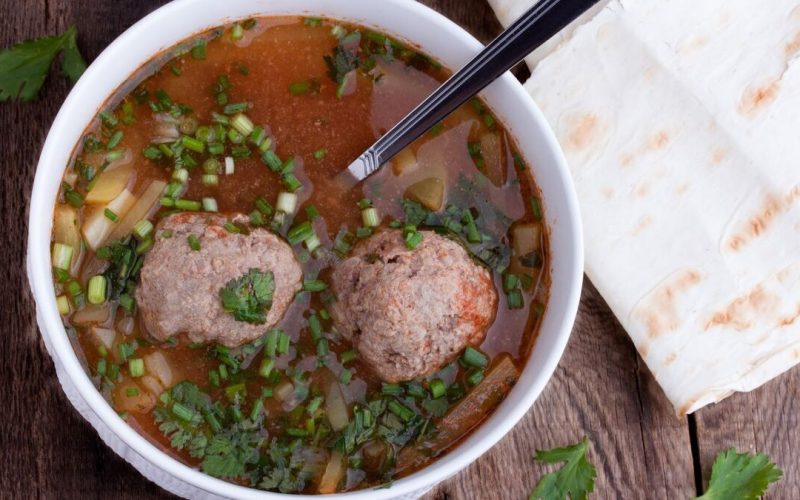
Armenian cuisine is one of the oldest culinary traditions in the world, shaped over thousands of years at the crossroads of the Caucasus, the Middle East, and the Mediterranean. It is known for its rich flavors, generous use of herbs, slow cooking techniques, and deep respect for tradition. In Armenian culture, food is never just sustenance—it is history, identity, and a way of bringing people together.
Among the many iconic dishes, kololak holds a special place. These traditional Armenian meatballs are beloved for their comforting taste, aromatic depth, and strong connection to home cooking. Whether served at everyday family dinners or during festive gatherings, kololak evokes a sense of warmth and belonging.
What makes kololak stand out among global meatball dishes is not only its flavor but also its preparation method and cultural significance. Unlike many meatball varieties that are fried or baked, kololak is often gently simmered in broth, resulting in a tender texture and deeply infused taste.
For Armenians, kololak is more than just a dish—it is a memory. It reminds people of childhood kitchens, grandparents’ recipes, and long meals shared with loved ones. It is often associated with care, tradition, and continuity.
Thesis: Kololak is not merely a traditional recipe; it is a symbol of Armenian culinary identity, reflecting the nation’s history, regional diversity, and enduring cultural values.
What is Kololak?
Kololak is a traditional Armenian dish consisting of meatballs typically made from beef or lamb, mixed with onions, herbs, spices, and sometimes grains such as bulgur. It exists in several variations across Armenia, differing in preparation methods, ingredients, and presentation.
Core Characteristics
Shape and Size
Kololak meatballs are generally medium to large in size, often noticeably bigger than typical Western-style meatballs. In some regional recipes, they can be as large as a fist.
Texture
The texture can range from dense and hearty to light and almost fluffy. This variation depends largely on how long the meat mixture is kneaded—traditional recipes often require extensive hand-mixing to achieve the desired consistency.
Serving Styles
- Broth-based kololak: served in a rich, flavorful soup, often with vegetables or grains
- Dry or semi-dry versions: served with sauces or as standalone meat dishes
Comparison with Other Meatball Dishes
While kololak shares similarities with other global meatball traditions, it also has distinct differences.
Italian meatballs are typically smaller and commonly served with tomato-based sauces or pasta. Middle Eastern kofta often appears in elongated shapes and is frequently grilled or fried. Turkish köfte tends to be spiced differently and is usually pan-fried or grilled.
Key Distinguishing Features
Kololak is often cooked in broth rather than fried, which gives it a softer, more delicate texture. It may include ingredients like eggs, flour, or grains to help bind the mixture. The preparation usually involves prolonged kneading, which is essential for achieving the correct consistency. Another defining feature is its strong regional diversity, with each area offering its own variation of the dish. Above all, kololak emphasizes a balance between meat, herbs, and aromatics.
Historical Roots of Kololak
The origins of kololak can be traced back to ancient Armenian culinary practices, making it a dish deeply rooted in history and tradition.
Ancient Beginnings
The concept of shaping minced meat into compact forms likely emerged from practical needs such as efficient use of meat, ease of cooking, and enhanced flavor retention. Early Armenian cooks developed techniques that allowed them to transform simple ingredients into nourishing and satisfying meals.
Influence of Geography
Armenia’s mountainous terrain and often harsh climate played a crucial role in shaping its cuisine. Dishes needed to be nutritious, filling, and capable of sustaining energy in colder conditions. Kololak fits perfectly into this context, offering a protein-rich, warming dish that can be adapted to available ingredients.
Role in Medieval Armenian Households
During the medieval period, kololak became a staple in both rural and urban homes. It was prepared in peasant households as a hearty and economical meal, while wealthier families created more elaborate versions with additional ingredients and refined techniques. It was also commonly served during religious and seasonal celebrations.
Evolution Over the Centuries
As Armenia interacted with neighboring cultures, kololak recipes evolved while still preserving their essential identity.
Ottoman influence introduced new spices and expanded cooking methods. Persian culinary traditions contributed a greater emphasis on fresh herbs and more complex flavor layering.
Rural vs Urban Traditions
In rural areas, kololak recipes remained closer to their original forms, relying on simple, locally sourced ingredients. In contrast, urban environments encouraged experimentation, leading to more diverse and refined variations.
Preservation Through Generations
One of the most remarkable aspects of kololak is how its recipes have been preserved over time. Rather than relying on written instructions, they have been passed down orally from generation to generation. Families share techniques, proportions, and secrets through hands-on cooking experiences, ensuring that the dish remains an authentic and living part of Armenian culture.
Cultural Significance
Kololak occupies a deeply meaningful place in Armenian family life. It is not just a dish prepared for nourishment but one that reflects care, connection, and continuity. In many households, the act of making kololak is as important as eating it—family members gather in the kitchen, shaping meatballs together, sharing stories, and preserving traditions through practice.
The dish plays a notable role in important occasions and gatherings. At weddings, kololak may appear as part of a larger feast, symbolizing abundance and hospitality. During religious feasts, especially those tied to the Armenian Apostolic calendar, it is often prepared as a comforting, communal dish. Even outside formal celebrations, kololak is a staple of Sunday family meals, when extended families come together around the table.
Sharing food in Armenian culture carries strong symbolic meaning. Meals are seen as a way to strengthen bonds, express generosity, and maintain cultural identity. Kololak, with its rich and satisfying nature, embodies this spirit of sharing—large portions are meant to be enjoyed together, reinforcing a sense of unity.
One of the most powerful aspects of kololak’s cultural role is its transmission through oral tradition. Recipes are rarely written down in detail; instead, they are taught by grandmothers and older relatives through demonstration and repetition. Measurements are often intuitive—“a handful,” “a pinch,” “until it feels right”—making each family’s version unique while still rooted in a shared culinary heritage.
Regional Variations of Kololak
Although kololak is recognized across Armenia, its preparation varies significantly depending on the region. These differences reflect local ingredients, historical influences, and cultural identities.
Kololak in Yerevan and Central Armenia
In Yerevan and surrounding regions, kololak is often prepared in a more standardized way, influenced by urban cooking practices and access to a wide range of ingredients. The meatballs are typically medium to large in size and may be served in a clear broth or alongside light sauces.
Common ingredients include beef or a mix of beef and lamb, onions, and fresh herbs. Bulgur is frequently used to add texture, while seasoning tends to be balanced rather than overly intense. The focus is on harmony of flavors and consistency in preparation.
Kololak in Artsakh (Nagorno-Karabakh)
In Artsakh, kololak takes on a more distinctive character. The recipes often include unique combinations of spices and a stronger emphasis on bold, earthy flavors. Local herbs and traditional techniques give the dish a deeper, more rustic profile.
Food in this region is closely tied to cultural identity, and kololak is no exception. Preparing it is often seen as an expression of heritage and resilience, with recipes carefully preserved and adapted within the community.
Western Armenian Variations
Western Armenian versions of kololak have evolved largely due to the diaspora. As Armenians settled in different parts of the world, they adapted traditional recipes to new environments and available ingredients.
This has led to noticeable differences in preparation. For example, certain spices or grains might be substituted, and cooking methods may change based on local culinary influences. Despite these adaptations, the essence of kololak remains intact, serving as a cultural anchor for Armenian communities abroad.
Village vs City Recipes
The contrast between village and city recipes highlights another layer of variation.
In villages, kololak is typically simpler and more rustic. Ingredients are often locally sourced, and the preparation relies on traditional methods passed down through generations. The flavors tend to be bold but straightforward.
In cities, recipes can be more complex and refined. Access to a wider variety of ingredients allows for experimentation, and presentation may also become more sophisticated. However, even in urban settings, many cooks strive to preserve the authenticity of the dish.
Ingredients: The Foundation of Flavor
At the heart of kololak lies a carefully balanced combination of ingredients that work together to create its distinctive taste and texture.
Core Ingredients
The primary component is ground meat, usually lamb, beef, or a mixture of both. The choice of meat significantly affects the flavor—lamb provides richness, while beef offers a milder profile.
Bulgur or rice is often added to the mixture, contributing both texture and structure. These grains help bind the meat while also making the dish more filling.
Onions are essential, adding moisture and sweetness, while fresh herbs bring brightness and aromatic depth.
Spices and Seasoning
Seasoning in kololak is typically subtle but crucial. Black pepper and salt form the base, enhancing the natural flavors of the meat.
Fresh herbs such as parsley and cilantro are commonly used, adding freshness and complexity without overpowering the dish.
Optional Ingredients
Depending on the recipe, additional components may be included. Eggs can help bind the mixture and create a softer texture. Garlic adds a more pronounced aroma, while tomato paste may be used in certain variations to introduce a slight tang and richness.
Importance of Ingredient Quality
The quality of ingredients plays a decisive role in the final result. Fresh, high-quality meat ensures better texture and flavor. Herbs should be vibrant and aromatic, and grains should be properly prepared to achieve the desired consistency.
Because kololak is a relatively simple dish in terms of components, each ingredient matters. The balance between them is what defines the authenticity and excellence of the final dish.
Types of Kololak
Kololak is not a single fixed recipe but a family of dishes with multiple variations, each reflecting different cooking methods, occasions, and regional preferences. These types highlight the versatility of Armenian cuisine and its ability to adapt while preserving tradition.
Soup-Based Kololak
This is perhaps the most traditional and widely recognized version. The meatballs are gently cooked in a flavorful broth, often enriched with onions, herbs, and sometimes grains.
The result is a light yet deeply satisfying dish. The texture of the meatballs becomes tender and delicate, as they absorb the flavors of the broth during slow cooking. This version is especially popular for everyday meals and is often associated with comfort and home cooking.
Fried or Baked Kololak
In this variation, the meatballs are either pan-fried or baked instead of being boiled. This creates a crisp outer layer while preserving juiciness inside.
The flavor is richer and more intense compared to the soup-based version. Browning the meat enhances its natural taste, adding depth and a slightly smoky note. These versions are often served with sauces or side dishes rather than in broth.
Stuffed Kololak
Stuffed kololak represents a more elaborate and creative approach. The meatballs are filled with ingredients such as:
- fresh herbs
- boiled eggs
- sautéed onions or garlic
This type requires more skill and time, as the filling must be carefully enclosed within the meat mixture. The result is a dish with layered textures and flavors, often reserved for special occasions or experienced cooks.
Festive Kololak Variants
During celebrations and holidays, kololak can take on more elaborate forms. These festive versions may include larger meatballs, richer ingredients, or decorative presentation.
Preparation is often more time-consuming, reflecting the importance of the occasion. In some cases, kololak becomes the centerpiece of the meal, symbolizing abundance and hospitality. These variants highlight the ceremonial role of food in Armenian culture.
Step-by-Step Preparation Process
Although recipes may vary, the general process of making kololak follows a series of carefully executed steps. Each stage contributes to the final taste and texture.
Preparing the Meat Mixture
The foundation of good kololak lies in the meat mixture. Traditionally, meat is either finely chopped by hand or ground to a specific consistency—not too coarse, not too smooth.
Balancing meat with grains such as bulgur or rice is essential. Too much grain can make the meatballs dry, while too little may affect their structure. Onions and herbs are finely chopped and incorporated evenly to ensure consistent flavor throughout.
A key step is thorough kneading. The mixture is worked by hand for several minutes until it becomes cohesive and slightly elastic. This process helps bind the ingredients naturally and improves texture.
Shaping the Meatballs
Shaping kololak is traditionally done by hand. The cook takes portions of the mixture and rolls them into balls, applying gentle but firm pressure.
Consistency in size is important for even cooking. Experienced cooks often rely on intuition rather than measurement, ensuring each piece looks and feels uniform. Hands may be slightly moistened to prevent sticking and achieve a smoother surface.
Cooking Methods
There are several ways to cook kololak, depending on the desired result.
Boiling in broth is the most traditional method. The meatballs are placed in simmering liquid and cooked slowly, allowing flavors to develop gradually.
Frying involves cooking the meatballs in a pan until a golden crust forms. This method adds richness and a more pronounced flavor.
Baking offers a balance between the two, creating a slightly crisp exterior while keeping the inside tender. It is also considered a more modern and convenient approach.
Final Touches
Before serving, kololak is often garnished with fresh herbs such as parsley or cilantro. This adds a final layer of aroma and freshness.
Serving temperature is important. Soup-based kololak is best enjoyed hot, while fried or baked versions may be served warm. Presentation can be simple or elaborate, depending on the occasion, but the focus remains on the dish’s comforting and inviting nature.
Traditional Cooking Techniques
The authenticity of kololak is closely tied to the methods used in its preparation. Traditional techniques emphasize patience, attention to detail, and respect for ingredients.
Historically, kololak was often cooked in clay pots or heavy metal cookware that retained heat evenly. These materials allowed for slow, consistent cooking, which enhanced flavor and texture.
Slow cooking remains a defining characteristic of traditional kololak. Allowing the meatballs to simmer gently ensures they remain tender and absorb the surrounding flavors. While modern kitchens may use faster methods, many cooks still value the depth achieved through slower preparation.
Timing is critical. Overcooking can make the meatballs tough, while undercooking affects both texture and safety. Achieving the perfect balance requires experience and careful observation.
There is also a noticeable difference between home cooking and restaurant preparation. At home, kololak is often made with a focus on tradition and personal taste, sometimes varying from one family to another. In restaurants, the process is more standardized, with an emphasis on consistency and presentation.
Despite modern adaptations, traditional techniques continue to define the essence of kololak, preserving its authenticity and cultural significance across generations.
Serving Kololak
Serving kololak is an important part of the overall experience, reflecting Armenian hospitality and attention to detail. The way the dish is presented and shared often carries as much meaning as the preparation itself.
Typical Accompaniments
Kololak is rarely served alone. It is usually accompanied by a selection of traditional sides that enhance its flavor and create a balanced meal.
Lavash bread plays a central role. Lavash is a thin, soft flatbread used to scoop up meatballs or soak up the flavorful broth. It is not just a side but an integral part of the eating experience.
Fresh herbs such as parsley, cilantro, basil, and green onions are commonly served alongside. These herbs add brightness and freshness, balancing the richness of the meat.
Pickled vegetables—such as cucumbers, cabbage, or peppers—provide acidity and crunch. Their sharp flavor contrasts with the soft texture of kololak, creating a more dynamic taste.
Presentation Styles
The presentation of kololak depends on the type of dish and the occasion. Soup-based versions are typically served in deep bowls, with the broth generously covering the meatballs. Fried or baked versions may be arranged on large platters, often garnished with herbs and vegetables.
For festive occasions, presentation becomes more elaborate. Larger portions, decorative plating, and additional side dishes may be included to create a visually impressive spread.
Serving Etiquette in Armenian Households
In Armenian culture, serving food is closely tied to hospitality. Guests are always offered generous portions, and it is customary to encourage them to eat more.
Kololak is often placed at the center of the table, reinforcing the idea of shared dining. Meals are rarely rushed; instead, they are enjoyed slowly, with conversation and connection being just as important as the food itself.
Offering kololak to a guest is a gesture of respect and care, reflecting the deep cultural value placed on generosity and community.
Nutritional Value
Kololak is not only flavorful but also nutritionally rich, providing a balanced combination of macronutrients and essential elements.
Macronutrient Breakdown
Protein
As a meat-based dish, kololak is an excellent source of high-quality protein. Beef and lamb provide essential amino acids necessary for muscle maintenance and overall health.
Fats
The fat content varies depending on the type of meat used. Lamb tends to be richer, while beef can be leaner. Fat contributes to flavor and satiety, making the dish more satisfying.
Carbohydrates
Carbohydrates come primarily from added grains such as bulgur or rice. These ingredients provide energy and help balance the nutritional profile of the dish.
Health Benefits of Ingredients
Kololak includes several components that offer health benefits. Fresh herbs contribute vitamins, antioxidants, and digestive support. Onions provide natural compounds that may support immune health. When prepared in broth, the dish can also be hydrating and easier to digest.
Caloric Considerations
The calorie content of kololak depends on preparation methods. Soup-based versions are generally lighter, as they involve less added fat. Fried or baked variations tend to be more calorie-dense due to the cooking process.
Portion size also plays an important role. Because kololak is often served in generous quantities, mindful serving can help maintain a balanced diet.
Comparison with Other Meat Dishes
Compared to heavily processed or deep-fried meat dishes, kololak can be a relatively wholesome option, especially when boiled in broth and made with fresh ingredients. It offers a good balance between protein, fats, and carbohydrates, making it both nourishing and satisfying.
Kololak in Modern Cuisine
While deeply rooted in tradition, kololak continues to evolve and maintain relevance in modern culinary contexts.
Presence in Armenian Restaurants Worldwide
Kololak is commonly featured in Armenian restaurants around the world, serving as a representation of national cuisine. It is often included in menus alongside other traditional dishes, introducing international audiences to Armenian flavors.
For members of the Armenian diaspora, it also serves as a cultural connection—something familiar and comforting in a foreign environment.
Fusion Adaptations
Modern chefs have begun experimenting with kololak, incorporating it into fusion cuisine. Variations may include new spices, alternative cooking techniques, or creative presentations that blend Armenian traditions with global influences.
For example, kololak might be served with unconventional sauces, paired with non-traditional sides, or presented in contemporary plating styles. These adaptations help keep the dish relevant while expanding its appeal.
Influence on Contemporary Chefs
Kololak’s simplicity and versatility make it an attractive base for culinary innovation. Chefs appreciate its ability to absorb flavors and adapt to different techniques, from slow cooking to modern gastronomy.
At the same time, many chefs strive to respect its origins, balancing creativity with authenticity.
Kololak in Food Tourism
As interest in regional and authentic cuisines grows, Armenian food has gained attention in the world of food tourism. Kololak plays a role in this trend as a dish that offers both history and flavor.
Travelers visiting Armenia often seek out traditional meals, and kololak provides a direct connection to local culture. Cooking classes, family-run restaurants, and rural dining experiences frequently include it, allowing visitors to engage with Armenian culinary traditions on a deeper level.
In this way, kololak continues to bridge past and present—honoring its heritage while finding new life in the global culinary landscape.
Kololak in the Armenian Diaspora
As Armenians settled across the world, kololak traveled with them, becoming not only a dish but a powerful symbol of identity and continuity. In diaspora communities, food often serves as one of the strongest links to cultural roots, and kololak remains a cherished part of that connection.
Adaptation in Different Countries
In Russia, kololak has adapted to local tastes and ingredients. Beef is more commonly used than lamb, and the dish may resemble hearty soups familiar to Eastern European cuisine. Despite these changes, the core preparation methods remain recognizable.
In the United States, Armenian communities have embraced both tradition and innovation. Kololak is often prepared for family gatherings and cultural events, but it may also appear in modernized forms, influenced by American culinary trends. Ingredient availability allows for flexibility, leading to both authentic and experimental versions.
In France, particularly in cities with established Armenian populations, kololak reflects a blend of Armenian and French culinary sensibilities. Presentation may be more refined, and certain herbs or cooking techniques may align with French gastronomy.
In the Middle East, where many Armenian communities have lived for generations, kololak remains closest to its traditional roots. The availability of familiar spices, herbs, and ingredients allows for a more authentic recreation of the original recipes.
Ingredient Substitutions
Living abroad often requires adapting recipes to available ingredients. Lamb may be replaced with beef or even poultry in some regions. Bulgur might be substituted with rice or other grains, depending on local availability.
Herbs and spices can also vary. While traditional recipes call for specific fresh herbs, diaspora cooks may use alternatives that provide a similar flavor profile. These substitutions demonstrate the flexibility of kololak while preserving its essential character.
Maintaining Tradition Abroad
Despite adaptations, maintaining tradition is a priority in many Armenian families. Recipes are still passed down through generations, often prepared during holidays and family gatherings.
Cooking kololak becomes an act of cultural preservation. It allows diaspora communities to stay connected to their heritage, even when living far from Armenia. The dish serves as a reminder of shared history, values, and identity.
Tips for Making Authentic Kololak at Home
Preparing authentic kololak at home requires attention to detail and an understanding of traditional techniques. While the recipe itself may seem simple, achieving the right flavor and texture depends on several key factors.
Choosing the Right Meat
The quality and type of meat are crucial. A mixture of beef and lamb is often ideal, as it balances richness and flavor. The meat should be fresh and not overly lean, since some fat is necessary for tenderness.
Achieving Ideal Texture
Texture is one of the defining features of good kololak. The meat mixture should be kneaded thoroughly until it becomes cohesive and slightly elastic. This step is essential and should not be rushed.
Adding the right proportion of grains, such as bulgur or rice, also contributes to texture. The goal is a balance where the meatballs are firm enough to hold their shape but soft enough to remain tender.
Common Mistakes to Avoid
One common mistake is under-kneading the mixture, which can result in crumbly meatballs. Overcooking is another issue, especially when boiling, as it can make the texture tough.
Using too many fillers or too little seasoning can also affect the final result. Kololak relies on balance, so each ingredient should be used thoughtfully.
Substitutions for Hard-to-Find Ingredients
If traditional ingredients are not available, reasonable substitutions can be made. Rice can replace bulgur, and dried herbs may be used when fresh ones are unavailable, though in smaller quantities.
Garlic, spices, and even cooking methods can be adjusted slightly to suit local conditions, as long as the overall structure and technique of the dish are respected.
More Than Just a Dish
Kololak is far more than a traditional Armenian recipe. It represents a rich intersection of history, culture, and culinary craftsmanship. From its ancient origins to its modern interpretations, it has remained a meaningful part of Armenian life.
The dish reflects the values of tradition and identity, preserving techniques and flavors that have been passed down through generations. Whether prepared in a rural village, a city apartment, or a diaspora community abroad, kololak continues to bring people together.
Making kololak at home is not just about cooking—it is about participating in a living tradition. It offers a chance to connect with history, to share something meaningful with others, and to experience the depth of Armenian cuisine.
In the end, kololak stands as a living piece of Armenian heritage—one that continues to evolve while staying true to its roots.
Come and experience it for yourself—visit and taste kololak where its tradition truly comes to life.





26 Responses
In1upgame is exactly the pick me up I needed to refresh my gaming routine. The reward system is straightforward and the new titles arrive right on schedule so boredom never stands a chance. The developers clearly listen to what we ask for and adjust things to keep the experience smooth. It is such a welcoming corner of the internet for anyone who just wants to unwind and level up.
I was searching for a trustworthy betting app that does not slow down my phone and stumbled upon this page. The user experience is incredibly smooth and the daily promotions keep things exciting. Customer service responded within minutes when I had a small question about my first deposit. You can download it safely via panalokoapp
Lately it is hard to find a platform that actually respects player time and money. This one delivers fast transactions and treats everyone equally from day one. I have already told a few buddies to give it a shot and they all ended up staying. trbayconti
[9694]uwin33 Official Login | Trusted Online Casino Malaysia Fast Payout,uwin33 offers a seamless app download for players seeking the best live casino Malaysia has to offer. Enjoy fast payout slot games today. Join now for more action! visit: uwin33
[6740]aa99 Official Login – বিকাশ দিয়ে অনলাইন ক্যাসিনো বোনাস পান,aa99 অফিসিয়াল অ্যাপ ডাউনলোড করে স্লট গেমের নিয়ম জানুন এবং বিকাশ দিয়ে সহজে গেম খেলে দারুণ বোনাস লুফে নিন। আজই যোগ দিন। visit: aa99
[5311]Betsamigo | Link Vào Mới Nhất Và Hướng Dẫn Chơi Baccarat Online,Betsamigo cung cấp link vào mới nhất, hướng dẫn tải app chính thức và cách nạp tiền casino qua Momo nhanh chóng. Khám phá luật chơi slots nổ hũ hấp dẫn ngay hôm nay. visit: betsamigo
[9258]Zebet Official Login | Legit Online Slots at GCash Casino PH,Zebet ang pinakamabilis na GCash casino para sa mga legit online slots. I-download na ang app at alamin kung paano maglaro ng baccarat. Mag-register na rito! visit: zebet
The mobile app is just fantastic. I can play anywhere without any glitches. If you prefer playing on your phone, get jili11apk now.
Really great variety of options available. I spent hours exploring and everything is just seamless. pkbnb55 is absolutely legit.
Finally found a site that works perfectly on my mobile phone. The loading times are minimal and the wins feel rewarding. Big shoutout to ph3655ph.
[3797]windd লগইন ও অ্যাপ ডাউনলোড – বিকাশ দিয়ে অনলাইন স্লট গেমস,windd লগইন করুন এবং অ্যাপ download করে বাংলাদেশ সেরা স্লট গেমস উপভোগ করুন। বিকাশ দিয়ে অনলাইন ক্যাসিনো খেলা ও রুলেট খেলার নিয়ম জানুন। আজই যোগ দিন। visit: windd
[2773]goldbet login করুন – বিকাশ দিয়ে লাইভ ক্যাসিনো ও স্লট গেম,goldbet login করে বাংলাদেশ অনলাইন বেটিং সাইটের সেরা অভিজ্ঞতা নিন। বিকাশ দিয়ে অনলাইন ক্যাসিনো ও লাইভ ক্যাসিনো স্লট গেম খেলতে goldbet app download করুন। visit: goldbet
I’ve been playing here for a few weeks now and the payouts are surprisingly fast. Really smooth experience so far! phjilif
It really felt like my lucky day when I joined this site. The graphics are great and the gameplay is very addictive. Five stars from me! luckyday33
Top notch experience so far. The graphics are crisp and the winning streaks are real. I’ll be spending a lot more time here for sure. vnlf168
[3595]Anakraja77: Login Daftar Situs Slot Gacor Dana & Casino,Anakraja77 menyediakan akses login dan daftar mudah. Nikmati situs slot gacor dana serta judi casino deposit pulsa. Ayo gabung dan main sekarang juga! visit: anakraja77
If you are looking for a variety of slots, jiliibet is where it’s at. I love how they keep updating the game library. It keeps things fresh and exciting every time I log in.
[9196]shoei33 Login & APK Download | Trusted Online Slot Malaysia,Access shoei33 login for trusted online slot Malaysia. Get the APK download and enjoy casino deposit via Touch n Go. Join the lobby and start playing now. visit: shoei33
[6988]bulantogel Login Link | Trusted Online Slot Malaysia,Access bulantogel via our official login link. Download the apk and enjoy trusted online slot Malaysia games with easy casino deposit touch n go. Join now! visit: bulantogel
The mobile app is a game changer. I can play whenever I have a few spare minutes and the connection is always stable. Best way to access fb777applogin for sure.
Just downloaded the app and it is incredibly intuitive. No lag at all during my sessions today. Highly recommend it to everyone! 099betappapk
The variety of games here is just insane. I spend most of my free time on okfunphapp because it just feels more rewarding than the rest. Give it a go!
Finally found a platform that doesn’t lag during peak hours. The registration process was a breeze. Great job guys at phjljl1.
Still surprised by how easy it is to navigate this site. Everything is just where it should be. vnoqen88 is becoming my new favorite go-to spot.
The game selection is top notch and the graphics are crisp. It is honestly such a vibe playing on yoyoslot after a long day of work.
I’ve been trying a few sites lately and this one really stands out. The interface is smooth and the payouts are surprisingly fast. Definitely worth a shot if you like a seamless experience. Check it out at plataforma777win97