

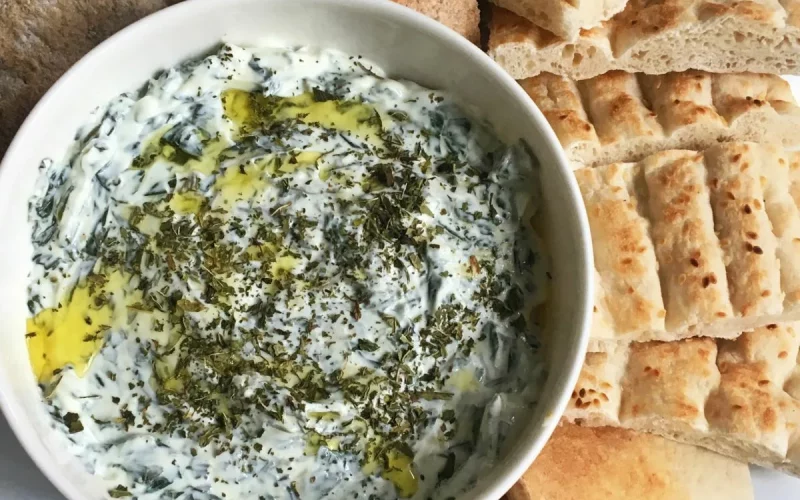
Armenian cuisine is deeply rooted in the natural rhythms of the land. For centuries, the people of Armenia have relied on fresh mountain herbs, fermented dairy products, seasonal vegetables, and simple cooking methods that allow ingredients to retain their natural flavor. The country’s culinary traditions reflect both the rugged geography of the Caucasus and the hospitality-centered culture of Armenian households, where food is often prepared slowly, shared generously, and passed down through generations.
Among the many beloved dishes of Armenian cuisine, borani occupies a special place. Creamy, tangy, fragrant, and refreshingly light, borani combines yogurt with fresh herbs, greens, or vegetables to create a dish that feels both rustic and elegant. It can appear on the table as an appetizer, a cooling side dish, a mezze component, or even a light summer meal served with warm lavash bread. Though simple in appearance, borani captures several defining characteristics of Armenian cooking: balance, freshness, and respect for seasonal ingredients.
Yogurt-based dishes have long been central to the cuisines of the Caucasus and the broader Middle East. From Persian mast-o-khiar to Turkish cacık and Greek tzatziki, fermented dairy has historically provided nourishment, preservation, and relief from hot climates. Borani belongs to this wider family of yogurt dishes, yet it stands apart through its emphasis on herbs, soft textures, and the harmonious blend of creamy and earthy flavors.
What makes borani especially appealing is its versatility. It can be adapted to nearly any season or region using spinach, eggplant, beetroot, wild herbs, or other vegetables available at the time. Some versions are intensely garlicky and rich, while others focus on delicate herbal freshness. Across Armenia, families often prepare their own variations using recipes inherited from parents and grandparents.
Beyond its culinary appeal, borani also carries cultural significance. The dish reflects centuries of exchange between Armenia, Persia, Anatolia, and neighboring Caucasus regions, making it an example of how food traditions transcend borders while still maintaining unique local identities. Exploring borani therefore means exploring not only Armenian cuisine itself, but also the interconnected food culture of an entire region.
What Is Borani?
Borani is a traditional yogurt-and-herb-based dish widely enjoyed in Armenian cuisine and throughout neighboring regions of the Caucasus and Middle East. At its core, borani combines thick yogurt with herbs, greens, or cooked vegetables, creating a creamy and refreshing dish that can accompany almost any meal.
In Armenian households, borani is remarkably versatile. It may be served as:
- An appetizer before the main course
- A cooling side dish alongside grilled meats
- A dip for lavash bread and vegetables
- Part of a mezze-style spread
- A light vegetarian lunch during warm summer months
The dish is especially appreciated for its balanced flavor profile. Borani is creamy from the yogurt, tangy from fermentation, aromatic because of fresh herbs, and refreshing due to its cool serving temperature. Depending on the ingredients used, it may also carry smoky, earthy, sweet, or nutty notes.
Although recipes vary from household to household, several ingredients appear consistently in traditional borani preparations:
Yogurt
The foundation of borani is thick fermented yogurt, often matsun in Armenia. The yogurt provides creaminess, acidity, and richness while acting as the base that binds all ingredients together.
Fresh Herbs
Fresh herbs are essential to the identity of borani. Dill, mint, parsley, cilantro, and tarragon contribute brightness and complexity while giving the dish its characteristic green aroma.
Garlic
Garlic adds depth and sharpness. In some recipes it is used sparingly, while others rely heavily on raw garlic for bold flavor.
Greens or Vegetables
Spinach, eggplant, beetroot, Swiss chard, and wild mountain greens are common additions. The chosen vegetable often determines the personality of the final dish.
Butter or Oil
Some recipes incorporate melted butter or olive oil to enrich the texture and soften the acidity of the yogurt.
Optional Nuts and Spices
Walnuts, black pepper, dried mint, Aleppo pepper, and sumac may be added for additional texture and flavor complexity.
The simplicity of borani is part of its enduring charm. Despite using only a handful of ingredients, the dish achieves a sophisticated balance of freshness, richness, and herbal intensity.
The Meaning Behind the Name
The origins of the word “borani” are widely believed to be connected to Persian culinary history. Many historians trace the term to Queen Pourandokht, also known as Burandukht, a Sassanian ruler who lived during the seventh century. According to popular culinary legends, dishes prepared with yogurt and vegetables became associated with her royal court, eventually giving rise to the name “borani.”
Over time, the word evolved linguistically as Persian culinary traditions spread across neighboring territories through trade, migration, and imperial influence. Variations of the term appeared in Armenian, Turkish, Azerbaijani, Kurdish, and other regional cuisines. Although pronunciations and spellings changed slightly, the core concept of a yogurt-based vegetable dish remained recognizable throughout the region.
As cultural interactions intensified over centuries, borani traveled widely across:
- Armenia
- Iran
- Eastern Anatolia
- The South Caucasus
- Parts of Central Asia and the Middle East
Each culture adapted the dish according to local ingredients and tastes. In some regions borani became heavily herb-focused, while elsewhere roasted vegetables, grains, or even meat were incorporated. Despite these variations, the dish consistently retained its creamy yogurt base and emphasis on freshness.
The linguistic journey of the word “borani” demonstrates how food traditions often move more freely than political borders. Today, the name itself reflects centuries of shared regional culinary heritage.
Is Borani Armenian, Persian, or Regional?
Questions about the “true” origin of borani are difficult to answer definitively because the dish belongs to a broader culinary landscape shaped by centuries of interaction between neighboring cultures. Rather than belonging exclusively to one nation, borani is best understood as part of a shared regional food tradition that developed across the Caucasus, Persia, and Anatolia.
Persian cuisine strongly influenced the development of borani, particularly through its long history of combining yogurt with cooked vegetables and aromatic herbs. Persian borani varieties often feature spinach, eggplant, or beets, sometimes enhanced with saffron, dried rose petals, or caramelized onions.
Armenian interpretations, however, developed their own distinct character. Armenian borani typically emphasizes:
- Thick fermented matsun
- Fresh mountain herbs
- Simpler seasoning
- Rustic textures
- Seasonal vegetables
- Cold serving styles
Compared to some Persian versions, Armenian borani often feels lighter, greener, and more herb-forward. The Armenian approach reflects the country’s agricultural traditions and reliance on locally available herbs and dairy products.
The evolution of borani also reflects broader historical forces. Throughout history, Armenia stood at the crossroads of empires and trade routes linking Persia, Byzantium, Anatolia, and the Silk Road. As merchants, travelers, and migrating communities exchanged goods and culinary practices, recipes naturally transformed and adapted to local environments.
This process explains why similar yogurt-based dishes appear under different names throughout neighboring cuisines. Food traditions rarely develop in isolation. Instead, they evolve gradually through continuous cultural contact.
For this reason, borani should not be viewed as belonging exclusively to one country. Its enduring popularity across multiple regions highlights the interconnected nature of Middle Eastern and Caucasus culinary traditions. At the same time, Armenian borani maintains a unique identity through its emphasis on fresh herbs, fermented dairy, and seasonal simplicity.
Borani in Armenian Culinary Culture
The Importance of Yogurt in Armenian Cuisine
Yogurt has been a cornerstone of Armenian cuisine for centuries. In a mountainous country where preserving food was historically essential for survival, fermented dairy products became both practical and deeply embedded in everyday life. Armenian households traditionally produced yogurt at home using fresh milk from cows, sheep, or goats, allowing families to preserve dairy for longer periods while also benefiting from its nutritional value.
One of the most important dairy products in Armenia is matsun, a fermented milk product similar to yogurt but often thicker and slightly milder in flavor. Matsun is considered one of the defining ingredients of Armenian cuisine and appears in countless traditional dishes, from soups and drinks to sauces and marinades. In borani, matsun provides the creamy texture and pleasant acidity that form the foundation of the dish.
In many Armenian homes, yogurt is consumed daily. It may be eaten at breakfast, served alongside grilled meats, mixed into soups, or used as a cooling accompaniment during the hot summer months. Its versatility makes it indispensable in the Armenian kitchen.
Historically, Armenian families also developed various methods for preserving dairy. Strained yogurt, dried yogurt balls, and fermented milk drinks allowed communities to store nutrients through harsh winters and periods of scarcity. These preservation traditions shaped the broader culinary culture and reinforced yogurt’s central role in Armenian cooking.
Borani perfectly reflects this dairy tradition. By combining matsun with herbs and vegetables, Armenians created a dish that is both nourishing and refreshing while showcasing one of the country’s most beloved ingredients.
Armenia’s Love Affair with Fresh Herbs
Fresh herbs occupy an unusually important place in Armenian cuisine. Unlike many culinary traditions where herbs are used sparingly as garnish, Armenian cooking often treats herbs as a primary ingredient. Large bundles of greens frequently appear on Armenian tables alongside bread, cheese, and vegetables, creating vibrant and aromatic meals centered around freshness.
Borani demonstrates this herb-centered philosophy especially well. Depending on the recipe, cooks may use combinations of:
- Dill
- Cilantro
- Mint
- Tarragon
- Parsley
- Green onions
Each herb contributes a distinct layer of flavor. Dill adds softness and sweetness, mint provides cooling freshness, cilantro introduces brightness, while tarragon delivers a subtle anise-like aroma characteristic of many Caucasus dishes.
The Armenian climate and mountainous terrain support a rich variety of wild and cultivated herbs. During spring and summer, markets overflow with fresh greens gathered from gardens and mountain slopes. Seasonal cooking traditions encourage families to use these herbs abundantly while they are at peak freshness.
Many Armenian dishes rely heavily on herbs beyond borani. Salads, soups, stuffed vegetables, omelets, and grilled dishes frequently contain large quantities of fresh greens. This herb-heavy culinary style distinguishes Armenian cuisine from many neighboring traditions and contributes to its fresh, vibrant flavor profile.
In borani, herbs are not merely decorative. They define the personality of the dish, balancing the richness of yogurt with lively aromas and natural freshness.
Borani as Home Food
Although borani occasionally appears in restaurants and modern mezze menus, it remains above all a deeply personal home dish. For many Armenians, borani carries strong emotional associations connected to family gatherings, childhood meals, and seasonal traditions.
The dish is especially popular during summer, when cool yogurt-based foods provide relief from heat and fresh herbs are abundant. Borani often appears on outdoor tables alongside grilled meats, fresh vegetables, cheese, and warm lavash bread. Its refreshing nature makes it ideal for communal dining and leisurely family meals.
In Armenian homes, borani is also associated with hospitality. Guests may be welcomed with a spread of small dishes that include various salads, cheeses, pickles, and yogurt preparations. Borani fits naturally into this tradition because it is easy to share and complements many other foods.
Perhaps most importantly, borani is often linked to grandmother recipes and regional household traditions. Few families prepare it exactly the same way. Some prefer extra garlic, while others emphasize herbs or walnuts. Rural households may use freshly gathered wild greens, whereas urban cooks often rely on spinach or cultivated herbs from local markets.
These subtle differences give borani a deeply personal quality. The dish is not governed by strict rules but instead adapts to local ingredients, family preferences, and seasonal availability. As a result, borani serves not only as food but also as a living expression of Armenian domestic culture and culinary memory.
Traditional Armenian Borani Variations
Herb Borani
One of the simplest and oldest forms of borani focuses almost entirely on herbs and yogurt. In this version, finely chopped fresh herbs are folded directly into thick matsun or yogurt, creating a dish that feels incredibly fresh and light.
The balance between creamy dairy and vibrant greens is essential. Too much yogurt can overwhelm the herbs, while excessive greens may make the dish sharp or grassy. Skilled home cooks carefully adjust proportions to achieve harmony between richness and freshness.
Herb borani is usually served cold, often drizzled with olive oil or topped with dried mint. Because it requires minimal cooking, it is especially common during summer months when herbs are at their peak flavor.
This variation highlights the Armenian appreciation for simple seasonal ingredients prepared with restraint and care.
Spinach Borani
Spinach borani is perhaps the most widely recognized variation both inside and outside Armenia. In this version, spinach is lightly cooked before being mixed with yogurt, allowing the greens to soften while preserving their earthy flavor.
The preparation usually begins by sautéing spinach with onions or garlic until excess moisture evaporates. Once cooled, the spinach is combined with thick yogurt and seasoned generously.
Garlic plays a particularly important role in spinach borani because its sharpness balances the mild sweetness of cooked spinach. Many Armenian recipes also include crushed walnuts, which add richness and subtle bitterness while contributing texture.
Spinach borani can be served as a dip, side dish, or appetizer. Its creamy consistency and balanced flavor make it one of the most versatile forms of the dish.
Eggplant Borani
Eggplant borani introduces a smoky and deeply savory dimension to the dish. The eggplants are typically roasted over an open flame or baked until soft, giving the flesh a rich and slightly charred flavor.
After cooking, the eggplant is mashed or chopped and mixed with yogurt, garlic, and herbs. Some recipes call for frying the eggplant instead of roasting it, producing a richer and more decadent texture.
Because of its smoky flavor profile, eggplant borani is often compared to Middle Eastern baba ghanoush. However, the addition of yogurt creates a creamier and tangier result that distinguishes borani from other eggplant dips.
This variation is particularly popular during late summer and early autumn when eggplants are abundant in Armenian markets.
Beet Borani
Beet borani is one of the most visually striking versions of the dish. The deep ruby color of roasted beets transforms the yogurt into a vibrant pink or purple mixture that stands out dramatically on the table.
The earthy sweetness of beets pairs surprisingly well with tangy yogurt. Garlic and herbs help balance the natural sugars of the vegetable, while walnuts often provide additional texture.
In recent years, beet borani has become increasingly popular in contemporary Armenian restaurants and modern fusion cuisine because of its bold appearance and refined flavor profile. Chefs frequently garnish it with herbs, seeds, or edible flowers to emphasize its visual appeal.
Despite its modern popularity, beet borani remains rooted in traditional Armenian cooking principles centered on seasonal vegetables and fermented dairy.
Regional Armenian Interpretations
Like many traditional dishes, borani changes significantly from region to region. Different Armenian communities developed unique approaches depending on local agriculture, climate, and cultural influences.
In the Tavush region, for example, some borani-style dishes incorporate unexpected ingredients such as dried fruits or meat influences, reflecting the area’s rich agricultural traditions and historical trade connections.
Rural versions of borani often rely on freshly gathered wild herbs and homemade matsun, giving the dish a more rustic and intensely herbal character. Urban interpretations, by contrast, may emphasize smoother textures, refined presentation, and easily available vegetables like spinach or beetroot.
Seasonality also shapes regional variation. Spring borani may contain delicate wild greens, while autumn versions focus on roasted vegetables such as eggplant or beets. Families frequently adapt recipes based on what is growing locally at a given time of year.
These regional differences illustrate the flexibility of borani and explain why the dish has remained relevant for generations. Rather than existing as a single fixed recipe, borani continues to evolve while preserving its essential identity as a creamy yogurt-based celebration of herbs and vegetables.
Essential Ingredients Explained
Yogurt or Matsun
The heart of every borani is its yogurt base. Without thick, tangy yogurt, the dish loses the creamy richness and refreshing acidity that define its character. In Armenia, the traditional choice is matsun, a fermented milk product that has been part of local cuisine for centuries.
Although matsun is often compared to Greek yogurt, the two are not entirely identical. Greek yogurt is usually strained heavily, giving it a dense and concentrated texture with pronounced tartness. Armenian matsun, by contrast, is often slightly softer and smoother, with a more delicate acidity and a silkier mouthfeel. Its flavor tends to feel lighter and fresher, making it particularly suitable for herb-based dishes like borani.
Texture is extremely important when preparing borani. The ideal yogurt should be:
- Thick but not stiff
- Creamy and smooth
- Tangy without excessive sourness
- Rich enough to coat herbs and vegetables evenly
Full-fat yogurt is traditionally preferred because it creates a luxurious texture and balances the sharpness of garlic and herbs. Low-fat yogurt may become watery and fail to provide the same richness.
Homemade matsun remains highly valued in Armenian households. Families traditionally ferment fresh milk naturally, producing yogurt with subtle variations in flavor depending on the season and milk source. Homemade matsun often has a softer texture and deeper aroma than commercial products.
However, store-bought yogurt can also work well, especially if it is plain, unsweetened, and thick. Many modern cooks use Greek yogurt as a substitute, sometimes thinning it slightly with a spoonful of milk or water to imitate the softer consistency of traditional matsun.
Regardless of the exact product used, the yogurt should always taste fresh and clean because its flavor dominates the entire dish.
Fresh Herbs
Fresh herbs give borani its unmistakable aroma and vibrant personality. In many ways, the herbs are just as important as the yogurt itself. Armenian cuisine treats herbs not merely as seasoning but as a central ingredient capable of shaping the entire flavor profile of a dish.
Several herbs are especially common in borani:
Dill
Dill contributes sweetness and softness while enhancing the cooling qualities of yogurt. It pairs particularly well with spinach and cucumber-based versions.
Cilantro
Cilantro introduces brightness and slight citrus-like sharpness. It gives borani a more vibrant and lively flavor.
Mint
Mint provides freshness and cooling contrast, especially in summer preparations. Both fresh and dried mint may be used.
Tarragon
Tarragon has a subtle licorice-like aroma that is strongly associated with Caucasus cuisine. Even small amounts can dramatically influence the dish.
Parsley
Parsley adds freshness and balance without dominating the flavor profile.
Green Onions
Green onions contribute mild sharpness and depth while remaining gentler than raw onions.
The best borani often combines several herbs rather than relying on only one. Popular combinations include:
- Dill and parsley
- Mint and cilantro
- Tarragon with green onions
- Spinach with dill and garlic
Freshness is critical. Wilted or old herbs quickly lose their aroma and may introduce bitterness. Traditionally, herbs are chopped shortly before serving so they retain their natural oils and vibrant color.
Seasonality also matters. Spring and summer herbs are typically more aromatic and tender, which is why borani is especially associated with warm-weather dining in Armenia.
Garlic
Garlic plays a defining role in borani’s flavor structure. While yogurt provides creaminess and herbs contribute freshness, garlic adds depth, warmth, and intensity.
Most traditional Armenian borani recipes use raw garlic. Raw garlic creates a sharp and slightly spicy flavor that cuts through the richness of yogurt and enhances the earthiness of vegetables like spinach or beetroot. Because borani is usually served cold, raw garlic also retains its full aromatic power.
However, some variations use lightly cooked garlic instead. Cooking softens the garlic’s pungency and produces a sweeter, mellower taste. Roasted garlic is occasionally added to modern versions for additional depth and creaminess.
The amount of garlic varies significantly between households. Some families prefer only a subtle hint, while others prepare intensely garlicky borani meant to accompany grilled meats and bread.
Traditionally, Armenian borani tends to strike a middle ground:
- Strong enough to taste clearly
- Balanced enough not to overpower the herbs and yogurt
Garlic also performs an important structural role in flavor balance. Without garlic, borani may taste overly mild or flat. The slight sharpness helps connect the tanginess of yogurt with the freshness of herbs and the sweetness of cooked vegetables.
Because the dish contains few ingredients, the quality and quantity of garlic can dramatically affect the final result.
Greens and Vegetables
One of borani’s greatest strengths is its adaptability. Different greens and vegetables create entirely different versions of the dish while preserving its creamy yogurt foundation.
Spinach
Spinach is perhaps the most common vegetable used in borani. Its mild earthy flavor pairs naturally with yogurt and garlic, creating a smooth and balanced dish. Cooked spinach also absorbs seasonings well while maintaining a soft texture.
Beetroot
Beetroot introduces sweetness and striking color. Roasted beets create a deeper, more concentrated flavor than boiled ones, giving beet borani its rich earthy character.
Eggplant
Eggplant adds smokiness and richness, especially when roasted over fire. Its soft texture blends beautifully with yogurt, creating a more substantial and savory borani.
Zucchini
Zucchini produces a lighter and more delicate version of borani. Because zucchini contains high water content, it must usually be sautéed thoroughly before mixing with yogurt.
Swiss Chard
Swiss chard contributes stronger mineral and earthy notes than spinach. Its slightly firmer texture gives the dish more body and complexity.
Wild Greens
In rural Armenia, borani is often prepared with wild mountain greens gathered seasonally. These may include sorrel, nettles, mallow leaves, or other regional herbs and edible plants. Wild greens create intensely aromatic and distinctive borani variations closely tied to local landscapes and traditions.
The vegetable component of borani changes not only the flavor but also the texture and visual appearance of the dish. This flexibility explains why borani remains adaptable across seasons and regions.
Nuts, Oils, and Garnishes
Although the yogurt and vegetables form the core of borani, garnishes and finishing ingredients elevate the dish by adding texture, aroma, and richness.
Walnuts
Walnuts are one of the most traditional additions to Armenian borani. Their slightly bitter and earthy flavor complements yogurt exceptionally well. Crushed walnuts also add texture and richness, especially in spinach and beet variations.
Butter
Melted butter is sometimes drizzled over borani before serving. In traditional rural cooking, browned butter may be infused with herbs or garlic for extra flavor.
Olive Oil
Olive oil provides a lighter and fresher finish than butter. A drizzle of high-quality olive oil enhances aroma while creating an attractive glossy surface.
Aleppo Pepper
Aleppo pepper contributes gentle heat and fruity depth without overwhelming the dish. Its mild smokiness pairs particularly well with eggplant borani.
Dried Mint
Dried mint intensifies the cooling herbal notes of the dish and is frequently sprinkled on top before serving.
Sumac
Sumac adds acidity and subtle fruitiness. Its deep red color also creates visual contrast against the white yogurt base.
These finishing ingredients may seem small, but they significantly influence the final presentation and complexity of borani. The contrast between creamy yogurt, soft vegetables, crunchy walnuts, and aromatic spices gives the dish much of its appeal.
How Borani Is Traditionally Made
Preparing the Yogurt Base
Traditional borani begins with careful preparation of the yogurt base. Because yogurt determines the texture of the entire dish, achieving the correct consistency is essential.
In many Armenian kitchens, yogurt is first strained through cheesecloth or a fine sieve to remove excess liquid. This process creates a thicker and creamier texture while preventing the final borani from becoming watery.
After straining, salt is added gradually to enhance flavor without overpowering the natural tanginess of the yogurt. Garlic is then mixed in, either finely minced or crushed into a paste.
The yogurt is stirred thoroughly until completely smooth. Traditional cooks pay close attention to consistency:
- Too thick, and the dish becomes heavy
- Too thin, and it loses richness and structure
The ideal borani base should feel silky, airy, and easy to spread.
Cooking the Greens or Vegetables
The preparation method for vegetables depends on the type of borani being made.
Sautéing
Leafy greens such as spinach or Swiss chard are commonly sautéed with garlic or onions until softened. The goal is to remove moisture while preserving color and freshness.
Roasting
Eggplants and beets are often roasted to deepen flavor and create caramelized sweetness. Roasting also reduces excess water and intensifies aroma.
Draining Excess Moisture
Removing water is one of the most important steps in borani preparation. Vegetables with excess moisture can dilute the yogurt and ruin the texture. Cooked greens are therefore usually pressed, drained, or cooled thoroughly before mixing.
Cooling Before Mixing
Hot vegetables should never be added directly to yogurt because heat may separate or thin the dairy base. Traditional recipes always allow vegetables to cool completely first.
Careful vegetable preparation ensures that borani remains creamy rather than watery.
Combining Ingredients
Once the yogurt and vegetables are prepared, the ingredients are combined gently.
Some Armenian cooks prefer a fully mixed style in which vegetables and yogurt are blended evenly into a smooth, unified dish. Others favor a layered presentation, where yogurt forms the base and vegetables are arranged attractively on top.
Balance is extremely important during this stage. The acidity of yogurt must complement rather than overwhelm the sweetness or earthiness of the vegetables. Herbs, salt, and garlic are adjusted gradually until the flavors feel harmonious.
Borani is usually chilled before serving. Cooling allows the flavors to meld together while improving texture and freshness.
Traditional Serving Methods
Borani is most commonly served cold or at cool room temperature. The refreshing quality of chilled yogurt makes the dish especially popular during warm weather.
Traditionally, borani is presented with fresh lavash bread, allowing diners to scoop up the creamy mixture directly by hand. It may accompany grilled meats, roasted vegetables, or rice dishes, but it is equally comfortable as part of a simple vegetarian meal.
In Armenian dining culture, borani frequently appears in mezze-style spreads alongside:
- Fresh herbs
- Cheese
- Pickled vegetables
- Salads
- Eggplant dishes
- Yogurt sauces
Because it is designed for sharing, borani reflects the communal nature of Armenian meals, where multiple dishes are placed at the center of the table for everyone to enjoy together.
Step-by-Step Classic Armenian Borani Recipe
Ingredients List
For the Borani
- 500 g spinach
- 2 cups thick yogurt or matsun
- 2 garlic cloves, minced
- 2 tablespoons chopped dill
- 2 tablespoons chopped parsley
- 2 tablespoons chopped cilantro
- 2 tablespoons crushed walnuts
- 1 tablespoon olive oil
- Salt to taste
- Black pepper to taste
Optional Garnishes
- Dried mint
- Aleppo pepper
- Extra walnuts
- Olive oil drizzle
Ingredient Substitutions
- Greek yogurt may replace matsun
- Swiss chard can substitute spinach
- Mint may replace dill for a fresher flavor
- Pecans may substitute walnuts in modern adaptations
Equipment Needed
Preparing borani requires only simple kitchen tools:
- Mixing bowls
- Large skillet or frying pan
- Knife and cutting board
- Strainer or cheesecloth
- Wooden spoon or spatula
- Serving bowl
Because the recipe is uncomplicated, ingredient quality matters far more than specialized equipment.
Preparation Instructions
Step 1 – Prepare the Herbs or Vegetables
Wash the spinach thoroughly and remove excess moisture. Heat a skillet with a small amount of olive oil and sauté the spinach until wilted. Add half the garlic and cook briefly.
Allow the spinach to cool completely, then squeeze out any remaining liquid and chop finely.
Meanwhile, chop all fresh herbs.
Step 2 – Make the Yogurt Mixture
If necessary, strain the yogurt for 20–30 minutes to remove excess liquid.
Place the yogurt in a bowl and mix with the remaining garlic, salt, black pepper, and chopped herbs until smooth and evenly combined.
Step 3 – Combine and Season
Fold the cooled spinach into the yogurt mixture gently.
Add crushed walnuts and adjust seasoning. Taste carefully and balance the flavors:
- More salt for depth
- More herbs for freshness
- More yogurt if garlic feels too strong
Step 4 – Chill and Garnish
Transfer the borani to a serving bowl and refrigerate for at least 30 minutes.
Before serving, garnish with:
- Olive oil
- Dried mint
- Extra walnuts
- Aleppo pepper
Serve cold with fresh lavash bread.
Common Mistakes to Avoid
Watery Yogurt
Using thin yogurt or failing to drain vegetables properly can make borani watery and dilute its flavor.
Overcooked Greens
Greens should remain vibrant and tender. Overcooking destroys freshness and creates dull flavors.
Too Much Garlic
Garlic should enhance the dish rather than dominate it. Excessive raw garlic can overpower delicate herbs and yogurt.
Poor Herb Balance
Using only one herb may produce a flat flavor profile. Traditional borani relies on layered herbal complexity for its characteristic freshness.
Flavor Profile and Texture
What Does Borani Taste Like?
Borani is a dish built on balance. Despite using simple ingredients, it delivers a surprisingly layered flavor profile that combines freshness, richness, acidity, and herbal depth in a single bite. Its taste changes slightly depending on the vegetables and herbs used, yet several defining characteristics remain constant across most traditional Armenian versions.
Tangy
The first flavor most people notice in borani is the pleasant tanginess of fermented yogurt or matsun. This acidity gives the dish brightness and prevents it from feeling overly heavy. The tangy character also refreshes the palate, which is one reason borani pairs so well with grilled meats and rich foods.
Unlike strongly sour dairy products, traditional Armenian matsun usually provides a softer and smoother acidity. The result is refreshing rather than sharp.
Herbal
Fresh herbs contribute much of borani’s aromatic complexity. Dill, mint, cilantro, parsley, and tarragon create layers of green flavor that make the dish feel vibrant and alive.
The herbal quality can vary significantly:
- Dill creates sweetness and softness
- Mint introduces cooling freshness
- Tarragon adds subtle licorice notes
- Cilantro contributes brightness and slight citrus character
Together, these herbs transform borani from a simple yogurt dish into something deeply aromatic.
Creamy
The creamy texture of strained yogurt gives borani its comforting and luxurious quality. Full-fat yogurt coats the palate smoothly while balancing the sharper flavors of garlic and herbs.
This creaminess also allows borani to function in multiple ways:
- As a dip
- As a sauce
- As a spread
- As a side dish
The richness is satisfying without becoming overly dense or heavy.
Cooling
Borani is traditionally served cold or slightly chilled, which enhances its cooling effect. Mint, yogurt, and fresh herbs work together to create a dish that feels especially refreshing during hot weather.
This cooling quality explains why borani is so popular in summer and why it frequently accompanies grilled foods and spicy dishes throughout the Caucasus and Middle East.
Slightly Earthy
The vegetables used in borani often introduce subtle earthy undertones. Spinach contributes gentle vegetal depth, beetroot adds sweet earthiness, and eggplant creates smoky richness.
These earthy notes ground the brighter herbal and tangy flavors, giving the dish greater complexity and balance.
The final result is a flavor profile that feels both comforting and refreshing at the same time — rich enough to satisfy, yet light enough to remain delicate.
Texture Contrast
Texture plays a major role in borani’s appeal. The dish is not only flavorful but also texturally balanced, combining smoothness, softness, and occasional crunch in a way that keeps every bite interesting.
Smooth Yogurt Against Soft Greens
At the center of borani is the contrast between silky yogurt and tender vegetables or herbs. Thick yogurt creates a velvety foundation that surrounds softened spinach, roasted eggplant, or finely chopped herbs.
This contrast prevents the dish from feeling monotonous. The vegetables retain enough structure to provide body, while the yogurt adds smoothness and cohesion.
Different vegetables also affect the texture in unique ways:
- Spinach creates softness and moisture
- Eggplant produces creamy density
- Beetroot adds slight firmness
- Swiss chard contributes more bite and texture
Crunch from Walnuts or Seeds
Traditional garnishes often introduce a crunchy element that contrasts beautifully with the creamy base.
Crushed walnuts are especially common in Armenian borani because they add:
- Firmness
- Richness
- Slight bitterness
- Nutty aroma
Some modern variations may also include toasted seeds or crispy onions for additional texture.
Without these crunchy elements, borani can sometimes feel overly soft. Garnishes therefore help create a more dynamic eating experience.
Importance of Garnish Texture
Garnishes do more than decorate the dish. A drizzle of olive oil adds silkiness, dried herbs create slight roughness, and spices such as Aleppo pepper introduce delicate flakes that contrast with the creamy yogurt.
Traditional Armenian cooks often pay close attention to these finishing details because texture strongly influences how fresh and satisfying borani feels.
The combination of creamy, soft, crunchy, and aromatic elements is one reason the dish remains so memorable despite its simplicity.
Why the Flavor Combination Works
Borani may appear simple, but its ingredients are carefully balanced in ways that naturally complement one another. The dish works because each component performs a specific role within the overall flavor structure.
Fat-Acid Balance
The relationship between yogurt’s richness and acidity forms the foundation of borani’s flavor harmony.
Full-fat yogurt provides:
- Creaminess
- Mild sweetness
- Satisfying richness
Meanwhile, fermentation contributes acidity that cuts through the fat and keeps the dish lively and refreshing.
This balance prevents borani from becoming either too heavy or too sour.
Freshness Versus Richness
Fresh herbs provide brightness and aromatic intensity that contrast with the richness of dairy and cooked vegetables.
For example:
- Mint refreshes the palate
- Dill softens heavier flavors
- Parsley introduces clean vegetal notes
- Garlic adds sharpness and depth
The herbs essentially “lift” the creamy yogurt, preventing the dish from tasting dense.
Cooling Effect of Yogurt
Yogurt naturally cools the palate, which is especially important in cuisines featuring grilled meats, spices, and roasted vegetables.
This cooling effect also explains why borani pairs exceptionally well with:
- Khorovats (Armenian barbecue)
- Roasted eggplant
- Spiced rice dishes
- Flatbreads and mezze spreads
The creamy yogurt softens intense flavors while enhancing freshness and balance.
Ultimately, borani succeeds because no single ingredient dominates. Each component supports the others, creating a dish that feels harmonious, refreshing, and deeply satisfying.
Nutritional Benefits of Borani
High-Protein Yogurt Base
Beyond its flavor, borani is also highly nutritious. The yogurt base provides several important health benefits while making the dish filling and satisfying.
Probiotics
Traditional matsun and yogurt contain beneficial bacteria created during fermentation. These probiotics may support:
- Digestive health
- Gut microbiome balance
- Nutrient absorption
In traditional Armenian diets, fermented dairy products have long been valued not only for preservation but also for their nourishing qualities.
Calcium
Yogurt is naturally rich in calcium, an essential mineral for:
- Bone health
- Teeth strength
- Muscle function
- Nervous system support
Because borani contains a large proportion of yogurt, it can contribute meaningfully to daily calcium intake.
Protein Content
Thick yogurt and matsun are also excellent sources of protein. Protein helps:
- Maintain muscle mass
- Increase satiety
- Support energy balance
Full-fat strained yogurt is particularly protein-rich, making borani surprisingly filling despite its light appearance.
When walnuts are added, the protein and healthy fat content increase even further.
Nutrient-Dense Herbs and Greens
The herbs and vegetables used in borani contribute substantial nutritional value while keeping the dish fresh and light.
Vitamins and Antioxidants
Fresh herbs and leafy greens contain numerous vitamins and antioxidants, including:
- Vitamin A
- Vitamin C
- Vitamin K
- Folate
- Iron
- Potassium
Spinach and beet greens are especially nutrient-dense, while herbs such as parsley and dill provide concentrated micronutrients despite being used in relatively small amounts.
Antioxidants found in herbs and vegetables may help protect cells from oxidative stress and inflammation.
Fiber Benefits
Vegetables and herbs also contribute dietary fiber, which supports:
- Digestive health
- Blood sugar balance
- Satiety
Although borani is creamy, it remains lighter and more nutritionally balanced than many dairy-heavy dishes because the vegetables provide structure and freshness.
Naturally Vegetarian and Gluten-Free
One reason borani has remained relevant in modern cuisine is its compatibility with many contemporary dietary preferences.
Traditional borani is naturally:
- Vegetarian
- Gluten-free
- Low in processed ingredients
This makes it suitable for a wide range of eating styles and nutritional needs.
Borani can also be adapted easily:
- Vegan yogurt may replace dairy yogurt
- Nuts and seeds can increase protein
- Different vegetables allow seasonal flexibility
Because it relies primarily on whole foods and fresh ingredients, borani aligns naturally with modern interest in healthy and minimally processed meals.
Healthy Mediterranean and Caucasus Diet Connections
Borani reflects many characteristics associated with traditional Mediterranean and Caucasus dietary patterns, both of which are frequently linked to long-term health and balanced nutrition.
These traditional eating styles emphasize:
- Fermented dairy
- Fresh vegetables
- Herbs
- Healthy fats
- Seasonal ingredients
- Minimal industrial processing
Armenian cuisine historically relied on local agriculture and seasonal availability, resulting in dishes that were naturally balanced and nutrient-rich.
Borani embodies this philosophy perfectly. It combines:
- Protein from yogurt
- Fiber from vegetables
- Healthy fats from nuts or olive oil
- Micronutrients from herbs
At the same time, it avoids excessive sugar, refined carbohydrates, and artificial additives.
Its simplicity is part of its nutritional strength. Rather than depending on heavy sauces or processed ingredients, borani achieves flavor through freshness, fermentation, and natural ingredient balance.
Borani Across the Region
Persian Borani
Persian cuisine is often considered one of the earliest culinary traditions associated with borani. Many historians believe the dish originated in Persia before spreading across neighboring regions through centuries of cultural exchange.
One of the most famous Persian versions is spinach borani, known for combining cooked spinach with thick yogurt and garlic. Persian borani often incorporates more elaborate flavor elements than Armenian versions, including:
- Saffron
- Caramelized onions
- Dried mint
- Rose petals
- Barberries
These ingredients create a richer and more aromatic profile.
Persian borani also tends to emphasize visual elegance and layered flavors, while Armenian borani usually focuses on freshness, herbs, and rustic simplicity.
Despite these differences, both traditions share core principles:
- Yogurt as a creamy base
- Vegetables as the central ingredient
- Garlic and herbs for balance
- Cooling serving style
The similarities reveal the long culinary dialogue between Armenia and Persia throughout history.
Turkish Borani
In Turkey, borani evolved into several regional Anatolian interpretations. Turkish versions vary widely depending on geography and local culinary traditions.
Some Turkish borani dishes resemble Armenian styles closely, especially in eastern Anatolia where cultural exchange historically occurred across Armenian and Kurdish communities.
Other Turkish variations differ significantly and may include:
- Bulgur
- Rice
- Meat
- Chickpeas
- Warm yogurt sauces
Unlike Armenian borani, which is typically served cold, certain Turkish versions are served warm and function more like hearty main dishes than dips or mezze.
The Turkish approach often emphasizes richer textures and cooked components, reflecting Anatolia’s diverse regional cuisines.
Afghan Borani
Afghan cuisine also features several dishes known as borani, particularly eggplant and squash variations.
One popular Afghan preparation layers:
- Fried eggplant or squash
- Tomato sauce
- Garlic yogurt
This layered style creates a dish that is richer and more structured than most Armenian borani recipes.
Afghan borani often balances:
- Tangy yogurt
- Sweet tomato sauce
- Fried vegetables
- Warm spices
The result is deeply savory and comforting while still retaining the cooling qualities of yogurt.
These Afghan interpretations demonstrate how the concept of borani adapted across regions while maintaining its essential combination of vegetables and fermented dairy.
Similar Dishes Around the World
Although borani has unique regional characteristics, it belongs to a much larger family of yogurt-based dishes found throughout Eurasia and the Middle East.
Tzatziki
Greek tzatziki combines yogurt, cucumber, garlic, and herbs into a refreshing dip. Compared to borani, tzatziki is usually thinner and more cucumber-focused.
Jajik
Armenian and Turkish jajik resembles a drinkable or soup-like yogurt preparation with herbs and cucumbers. It is lighter and more liquid than borani.
Raita
Indian raita combines yogurt with vegetables, herbs, and spices. Unlike borani, raita frequently includes cumin, chili, and other South Asian seasonings.
Labneh-Based Dips
Across the Levant, strained yogurt or labneh is often mixed with herbs, olive oil, and vegetables to create creamy mezze dishes similar in spirit to borani.
These similarities highlight how fermented dairy became central to many culinary traditions stretching from the Mediterranean to Central Asia. Each culture adapted yogurt-based dishes according to local ingredients and tastes, yet all share a common appreciation for freshness, balance, and cooling flavors.
What to Serve with Borani
Traditional Armenian Pairings
Borani is remarkably versatile at the table and pairs naturally with many classic Armenian foods. Its cool, creamy texture and herbal freshness make it especially valuable as a contrast to grilled, roasted, or heavily seasoned dishes.
Lavash Bread
Perhaps the most traditional accompaniment to borani is lavash, the thin Armenian flatbread baked in underground tonir ovens. Soft, warm lavash is often torn by hand and used to scoop up borani directly from a communal serving plate.
The mild flavor of the bread allows the tangy yogurt and herbs to remain the center of attention, while its soft texture complements the creaminess of the dish perfectly.
In many Armenian households, borani and lavash alone can form a simple but satisfying light meal.
Grilled Meats
Borani pairs exceptionally well with Armenian grilled meats because yogurt naturally balances smoky and fatty flavors. The refreshing acidity cuts through richness while cooling the palate after charred or heavily seasoned foods.
Common pairings include:
- Grilled lamb
- Pork khorovats
- Chicken skewers
- Beef barbecue
The herbal freshness of borani also enhances the natural smokiness of fire-cooked meat.
Kebabs
Kebabs are another traditional companion to borani. Whether made from minced meat or large cubes grilled over charcoal, kebabs benefit from the creamy contrast borani provides.
Garlic-rich borani is especially popular alongside spicy or heavily seasoned kebabs because the yogurt softens stronger flavors without dulling them.
Dolma
Borani also pairs beautifully with dolma, the Armenian dish of stuffed grape leaves or vegetables filled with rice, herbs, and sometimes meat.
The combination works because:
- Yogurt balances the richness of stuffing
- Herbs echo the flavors inside the dolma
- Cool borani contrasts with warm cooked vegetables
In traditional Armenian meals, borani often functions as both a side dish and a sauce for dolma.
Modern Serving Ideas
Although borani remains deeply traditional, modern cooks and restaurants have found many creative ways to incorporate it into contemporary meals.
Sandwich Spread
Thick borani works wonderfully as a spread for sandwiches and wraps. It adds creaminess and freshness while replacing heavier sauces like mayonnaise.
Spinach or beet borani pairs particularly well with:
- Roasted vegetables
- Grilled chicken
- Smoked salmon
- Falafel
- Roasted eggplant sandwiches
Its tangy flavor also helps brighten dense breads and hearty fillings.
Dip Platter
Borani is increasingly popular as part of modern mezze or appetizer platters. Served alongside fresh vegetables, crackers, olives, hummus, and cheeses, it provides both visual variety and refreshing contrast.
Beet borani is especially effective on dip platters because of its vibrant color and elegant presentation.
Toast Topping
Modern cafés and brunch restaurants sometimes serve borani over toasted sourdough or rustic bread. Toppings may include:
- Poached eggs
- Roasted chickpeas
- Herbs
- Chili flakes
- Microgreens
This approach transforms borani into a contemporary breakfast or brunch dish while preserving its traditional flavors.
Grain Bowls
Borani also fits naturally into modern grain bowls featuring quinoa, bulgur, rice, or farro. In these dishes, borani acts almost like a sauce, adding creaminess and acidity to roasted vegetables and grains.
Its protein-rich yogurt base and fresh herbs make it especially suitable for healthy, vegetable-centered meals.
Wine and Beverage Pairings
Because borani is both creamy and herbal, it pairs best with beverages that complement its freshness without overwhelming its delicate balance.
Dry White Wines
Crisp white wines work particularly well with borani because their acidity mirrors the tanginess of yogurt while cleansing the palate.
Good pairings include:
- Sauvignon Blanc
- Pinot Grigio
- Dry Armenian white wines
- Unoaked Chardonnay
Herb-forward borani versions especially benefit from wines with citrus or mineral notes.
Herbal Teas
Traditional Armenian herbal teas pair naturally with borani, especially during lighter meals or mezze-style dining.
Popular choices include:
- Mint tea
- Thyme tea
- Chamomile
- Mountain herb infusions
These teas reinforce the aromatic qualities of the dish while maintaining its refreshing character.
Ayran or Tan Yogurt Drinks
Ayran, also known as tan in Armenia, is a savory yogurt drink mixed with water and salt. Serving borani alongside ayran may seem dairy-heavy, but the pairing is deeply traditional throughout the Caucasus and Middle East.
The drink enhances the cooling qualities of the meal and complements grilled meats often served beside borani.
Borani in Modern Armenian Restaurants
Contemporary Interpretations
In recent years, borani has experienced a revival in modern Armenian restaurants, where chefs reinterpret traditional recipes through contemporary techniques and presentation styles.
Fine-Dining Plating
Upscale restaurants often transform borani into visually refined small plates featuring:
- Carefully layered yogurt
- Roasted seasonal vegetables
- Delicate herb garnishes
- Edible flowers
- Flavored oils
Rather than serving borani in rustic communal bowls, chefs may plate it artistically to emphasize color and texture contrasts.
Beet borani, with its vivid pink-purple tones, has become particularly popular in fine dining because of its dramatic appearance.
Fusion Versions
Modern Armenian chefs also experiment with fusion approaches that combine borani with international ingredients and culinary techniques.
Examples include:
- Avocado borani
- Burrata-inspired yogurt presentations
- Borani tacos or flatbreads
- Smoked salmon borani
- Spiced roasted carrot borani
These adaptations maintain the creamy herb-and-yogurt foundation while introducing new textures and flavor combinations.
Vegan Adaptations
As plant-based dining becomes more widespread, many restaurants now offer vegan borani made with dairy-free yogurt alternatives.
Chefs often rely on:
- Cashew yogurt
- Almond yogurt
- Coconut yogurt
The challenge lies in preserving the tangy richness of traditional matsun while avoiding excessive sweetness or artificial flavors.
Farm-to-Table Influence
The global farm-to-table movement has strongly influenced modern Armenian cuisine, and borani fits naturally within this philosophy because it relies so heavily on fresh ingredients.
Local Herbs
Many contemporary Armenian restaurants emphasize locally sourced herbs gathered from nearby farms or mountain regions. Seasonal herbs allow chefs to create constantly changing borani variations throughout the year.
Organic Dairy
High-quality dairy has become a major focus in modern borani preparation. Restaurants increasingly promote:
- Organic matsun
- Small-batch yogurt
- Sheep or goat milk yogurt
- Traditional fermentation techniques
These artisanal dairy products often provide richer texture and more complex flavor than industrial yogurt.
Seasonal Menus
Borani adapts easily to seasonal restaurant menus:
- Spring: wild herbs and greens
- Summer: zucchini and mint
- Autumn: roasted beetroot and eggplant
- Winter: hearty root vegetables and walnuts
This flexibility makes borani ideal for chefs interested in sustainable seasonal cooking.
Social Media and Food Trends
Borani has also gained popularity through social media and modern food culture trends.
Popularity of Yogurt Dips
Globally, yogurt-based dips and spreads have become increasingly fashionable because they are viewed as:
- Fresh
- Healthy
- Protein-rich
- Visually appealing
Borani fits perfectly within this trend while offering a more distinctive regional identity than many mainstream yogurt dips.
Mezze Culture Revival
The international popularity of mezze dining has also helped borani gain visibility outside Armenia. Modern diners increasingly enjoy shared small plates centered around vegetables, herbs, breads, and dips.
Borani naturally complements this style of eating because it is:
- Shareable
- Light
- Flavorful
- Easy to pair with other dishes
Visual Appeal of Colorful Borani Dishes
Social media platforms strongly favor visually striking foods, and borani performs especially well in this environment.
Bright beet borani, deep green herb borani, and smoky eggplant borani create vivid color contrasts that photograph beautifully. Garnishes such as herbs, seeds, oils, and spices further enhance presentation.
As a result, borani has evolved from a humble home dish into a modern culinary trend while still retaining its traditional roots.
Vegan and Dairy-Free Borani Variations
Plant-Based Yogurt Alternatives
Although traditional borani depends on fermented dairy, modern plant-based alternatives allow vegan versions to preserve much of the dish’s creamy texture and tangy flavor.
Coconut Yogurt
Coconut yogurt creates an especially rich and creamy borani. However, its natural sweetness must be balanced carefully with garlic, salt, and herbs to prevent the dish from tasting tropical or dessert-like.
Almond Yogurt
Almond yogurt offers a milder flavor and lighter consistency. It works particularly well in herb-heavy borani because it allows fresh greens to remain dominant.
Cashew Yogurt
Cashew yogurt is often considered one of the best dairy-free substitutes because of its thick texture and neutral flavor. It closely resembles the richness of traditional matsun and blends smoothly with vegetables and herbs.
Different plant-based yogurts produce different results, so texture and acidity often require adjustment during preparation.
Maintaining Traditional Flavor
The greatest challenge in vegan borani is preserving the balance traditionally created by fermented dairy.
Garlic
Garlic becomes even more important in dairy-free versions because it helps recreate depth and savory richness.
Herbs
Fresh herbs maintain the dish’s Armenian identity regardless of the yogurt used. Generous amounts of dill, mint, parsley, and cilantro help preserve borani’s traditional freshness.
Acid Balance
Plant-based yogurts may lack the natural tanginess of matsun. Lemon juice or mild vinegar is sometimes added carefully to recreate the proper acidic balance.
When done well, vegan borani can remain remarkably close to the original dish in both flavor and texture.
Vegan Garnish Ideas
Garnishes become especially important in dairy-free borani because they contribute richness and complexity.
Toasted Nuts
Walnuts, almonds, or pistachios provide texture and healthy fats while enhancing the dish’s savory depth.
Chili Oil
A drizzle of chili oil adds warmth and richness while creating visual contrast against pale yogurt bases.
Seeds
Sesame seeds, pumpkin seeds, or sunflower seeds introduce crunch and nutritional value.
These garnishes help vegan borani feel complete and satisfying while maintaining the layered textures characteristic of traditional versions.
Tips for Making Restaurant-Quality Borani at Home
Use Thick Yogurt
Texture is one of the most important aspects of successful borani. Thin yogurt can make the dish watery and dilute its flavor.
For best results:
- Use full-fat yogurt or matsun
- Strain yogurt if necessary
- Avoid sweetened commercial products
A rich and creamy base immediately improves the final dish.
Dry Greens Properly
Vegetables with excess moisture are one of the most common reasons borani fails.
After cooking spinach, zucchini, or other greens:
- Allow them to cool
- Squeeze out extra liquid
- Drain thoroughly before mixing
Removing moisture preserves both flavor concentration and creamy consistency.
Don’t Overpower with Garlic
Garlic should support the dish rather than dominate it.
A balanced borani allows:
- Yogurt tanginess
- Herb freshness
- Vegetable flavor
to remain clearly noticeable. Adding garlic gradually is usually the safest approach.
Chill Before Serving
Borani almost always tastes better after resting in the refrigerator.
Chilling allows:
- Flavors to meld together
- Garlic to soften slightly
- Herbs to infuse the yogurt
- Texture to thicken naturally
Even 30–60 minutes of refrigeration can significantly improve the final result.
Add Texture Through Garnishes
Restaurant-quality borani often stands out because of its finishing touches.
Excellent garnish options include:
- Crushed walnuts
- Olive oil
- Dried mint
- Aleppo pepper
- Toasted seeds
- Fresh herbs
These elements create visual appeal while adding contrast and complexity.
Borani is far more than a simple yogurt dish. It represents the essence of Armenian home cooking: fresh herbs, fermented dairy, seasonal vegetables, and recipes shaped by generations of family tradition. Its simplicity is precisely what makes it so enduring. With only a handful of ingredients, borani achieves remarkable balance, combining creamy richness with freshness, acidity, and herbal depth.
The dish also reflects Armenia’s broader culinary identity. Like many foods of the Caucasus, borani developed through centuries of cultural exchange while preserving distinct local characteristics. Armenian interpretations emphasize matsun, mountain herbs, rustic preparation, and seasonal adaptability, giving the dish a personality that feels both deeply traditional and endlessly flexible.
Today, borani continues to evolve. It appears in modern restaurants, vegan adaptations, mezze platters, and contemporary fusion cuisine while remaining firmly connected to its roots. Whether prepared with spinach, eggplant, beetroot, or wild herbs, it still carries the same spirit of hospitality and simplicity found in Armenian kitchens for generations.
Making borani at home is also one of the easiest ways to experience Armenian culinary culture directly. The recipe requires no complicated techniques, yet it rewards attention to freshness, balance, and ingredient quality. Served with warm lavash bread and shared around the table, borani becomes more than food — it becomes part of a communal tradition centered on comfort and connection.
Traditional dishes like borani preserve more than flavor alone. They carry memories, regional histories, agricultural traditions, and cultural identity across generations. In every bowl of borani, there is a story of Armenia’s landscapes, households, and enduring relationship with simple, nourishing food.
Come to Armenia and experience borani where it truly belongs—at a shared table filled with fresh herbs, warm hospitality, and generations of culinary tradition, where every bite tells the story of the land itself.





49 Responses
https://shorturl.fm/1oEms
Новинки музыки 2026 скачать бесплатно https://shorturl.fm/7J6vJ
Новинки музыки 2026 скачать бесплатно https://shorturl.fm/pj0rJ
https://shorturl.fm/BWa4d
https://shorturl.fm/kx3b5
Soi cau 68? Can’t hurt to get some predictions before placing my bets. Fingers crossed! Check it out here: soi cau 68
Okay, so Playdoit? Played it last night and I was pleasantly surprised. Runs smoothly, even on my older phone. Good way to kill some time. Time to Playdoit playdoit
Looking for a specific games? If you check out X666 Game Download, I bet you could probably find it! Give it a look: x666 game download
https://shorturl.fm/8WlpT
Luckywingame… It’s catchy! I’ve been playing for a bit, and it’s a fun distraction. Give it a whirl and see if lady luck is on your side when you try luckywingame.
Yo, PHL63! Finally found the official online casino login. No more sketchy links for this guy. Easy to get in and get to playing my favorite games. Check it out! phl63 online casino login
Ah, el logo de Codere, ya lo conozco bien! Es señal de que estás en un lugar confiable. Denle click a codere logo para llegar a la página principal.
https://shorturl.fm/lJRb8
https://shorturl.fm/mPbkp
https://shorturl.fm/gWKJb
https://shorturl.fm/9386M
https://shorturl.fm/keUIF
https://shorturl.fm/UIpfD
https://shorturl.fm/zdt2d
https://shorturl.fm/t9Q1q
Hey guys, if you’re looking for a new spot, ‘888 bet’ isn’t bad at all. Good options, and feels pretty smooth to use. Check out 888 bet
The plataforma play pix is smooth, man! I love how easy it is to navigate and find what I’m looking for. Everything loads quickly and the interface is clean. They nailed it. Check out the platform: plataforma play pix
Trying to find a safe Playtime PH APK. Hope this is the right place. Wish me luck! Access the Playtime PH APK: playtime ph apk
https://shorturl.fm/MK6ch
https://shorturl.fm/guhy0
https://shorturl.fm/kJvCN
https://shorturl.fm/h23fF
https://shorturl.fm/3DEEA
https://shorturl.fm/opqYI
https://shorturl.fm/OkpyE
[5834]d188 | Link Vào Chính Thức – Hướng Dẫn Chơi Baccarat Online,d188 cung cấp link vào chính thức, hỗ trợ tải app apk nhanh chóng và hướng dẫn nạp tiền casino qua Momo tiện lợi. Khám phá ngay luật chơi xóc đĩa online chi tiết tại đây. visit: d188
[2080]Leonbets | Link Vào Mới Nhất – Game Bài Đổi Thưởng Uy Tín,Leonbets cung cấp hướng dẫn tải app APK nhanh chóng và cách nạp tiền casino online an toàn. Trải nghiệm sòng bài trực tuyến đẳng cấp, tham gia ngay hôm nay! visit: leonbets
[5502]bluffbet Official Login | সেরা অনলাইন ক্যাসিনো ও অ্যাপ ডাউনলোড,bluffbet-এ সেরা অনলাইন ক্যাসিনো গেম উপভোগ করুন। অ্যাপ ডাউনলোড করে স্লট গেম খেলার নিয়ম জানুন এবং বিকাশ দিয়ে টাকা উত্তোলন করুন। আজই যোগ দিন। visit: bluffbet
[9144]bdg999 Official Login | সেরা অনলাইন ক্যাসিনো ও দ্রুত বিকাশ পেমেন্ট,bdg999 অ্যাপ ডাউনলোড করে সেরা অনলাইন ক্যাসিনো গেমগুলো উপভোগ করুন। এখানে পাবেন সহজ স্লট গেম খেলার নিয়ম ও দ্রুত বিকাশ পেমেন্ট সুবিধা। আজই জয়েন করুন। visit: bdg999
[3339]Diamante Casino México | Tragamonedas Online, Login y Registro,¡Gana en Diamante Casino México! Las mejores tragamonedas online, registro rápido y login seguro te esperan. ¡Únete hoy y vive la emoción de las apuestas! visit: diamante
[6734]ba99 Official Login | বিকাশ পেমেন্ট ও সেরা ক্যাসিনো বোনাস,ba99 অফিসিয়াল সাইটে লগইন করে সেরা স্লট গেম খেলার নিয়ম জানুন। বিকাশ দিয়ে সহজে লেনদেন এবং আকর্ষণীয় বোনাস পেতে আজই অ্যাপটি ডাউনলোড করুন। visit: ba99
The variety of games here is impressive. I spent a few hours exploring and the graphics are amazing. Definitely spending more time on br7pwin from now on.
I have had some amazing wins here recently. The bonuses are generous and the local support team is very helpful. It feels like a lucky place to play. Visit phjililucky
Finally a site that understands what players actually want. The registration process was quick and the bonuses are generous. Cheers to idliga2000 for the great service.
The game variety here is insane! I spent the whole weekend exploring the slots and the bonuses are actually fair. Love the vibe of jilihotcasino
I felt really lucky playing here today. The registration process was quick and the games are top-notch. Five stars for lucky53game.
The VIP rewards are actually worth it here. I feel valued as a player and the promotions are constantly updated. Check out rpvip5h5 for the best perks.
Had a blast playing here last night! The atmosphere is great and the winning streaks were real. 8cassinocombet is definitely my new favorite.
I was looking for a reliable link and this one works perfectly. The site loads fast and the games are top-notch. Great experience overall with 7sjililink
The VIP rewards are actually worth it. I’ve never felt more appreciated as a player than at br5526vip
If you are looking for a platform that actually pays out and has a wide range of slots, bigobet889 is the way to go.
The vibe here is just great. Tons of fun options and the community is pretty active. I am having a blast at 777betfunlogin
I’ve tried a few sites lately but this one feels much smoother. The loading speed is impressive and the interface is very intuitive. Definitely checking out bdnbajje more often!
The VIP experience is legit. I feel like a valued player every time I log in. Big thanks to 2uuu88viplogin for the amazing service.