

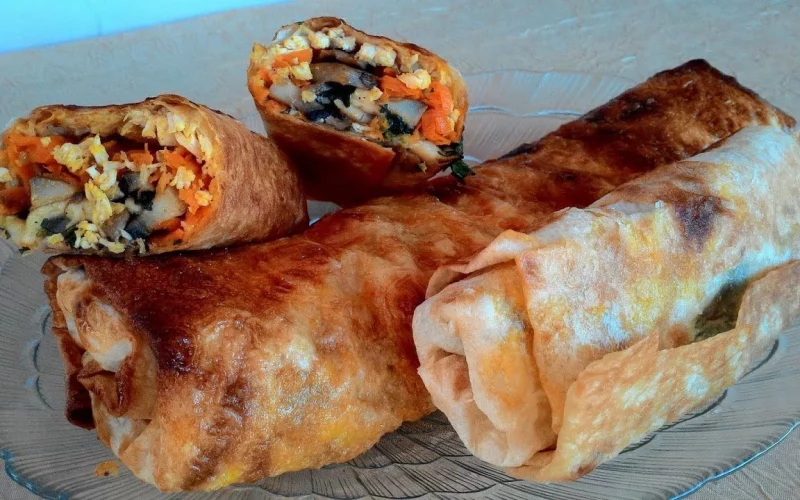
Among the many traditional dishes of the Caucasus region, few are as simple, practical, and culturally meaningful as brtuch — an Armenian wrap built around fresh lavash bread and filled with herbs, cheese, meat, and seasonal ingredients. While globally famous wraps such as burritos, shawarma, and gyros dominate international food culture, brtuch remains one of the most underrated treasures of Armenian cuisine.
At first glance, brtuch may seem modest. It does not rely on heavy sauces, elaborate cooking techniques, or extravagant presentation. Yet behind this humble dish lies a culinary tradition shaped by mountains, migration, agriculture, hospitality, and centuries of Armenian history. Every folded sheet of lavash carries echoes of village ovens, shepherd meals, family gatherings, and roadside lunches shared across generations.
Wrapped foods have always played an important role in Armenian cuisine. Armenia’s rugged geography, nomadic influences, and agricultural lifestyle encouraged the creation of meals that were portable, nourishing, and easy to prepare. Brtuch perfectly reflects this philosophy. It is practical enough for shepherds and travelers, yet flavorful and comforting enough to appear on modern Armenian family tables every day.
More than simply a wrap, brtuch represents several essential characteristics of Armenian culture:
- respect for fresh ingredients;
- love of bread and herbs;
- culinary simplicity;
- generosity toward guests;
- and deep connections to the land.
In recent years, brtuch has begun attracting international attention as global diners increasingly seek authentic regional foods and healthier alternatives to fast food. Armenian restaurants in Europe, Russia, the United States, and the Middle East now frequently include brtuch on their menus, while food bloggers and chefs praise its freshness and versatility.
This guide explores every aspect of brtuch in depth — from its ancient origins and cultural meaning to the importance of lavash, regional variations, diaspora adaptations, and modern popularity. By the end, readers will understand why this seemingly simple Armenian wrap deserves recognition as one of the world’s great traditional foods.
What Is Brtuch?
Brtuch is a traditional Armenian wrap made by rolling various fillings inside thin Armenian lavash bread. The fillings may include grilled meat, fresh herbs, soft cheese, vegetables, eggs, or preserved ingredients depending on the region, season, and household traditions.
The word “brtuch” comes from the Armenian verb associated with wrapping or folding. Pronounced roughly as ber-TOOKH, the name directly reflects the dish’s defining preparation method: ingredients carefully enclosed inside bread to create a compact, portable meal.
Although brtuch is often compared to burritos or shawarma, it differs significantly from both in structure, flavor profile, and cultural role.
Unlike burritos:
- brtuch rarely uses rice or beans;
- sauces are minimal;
- herbs play a central role;
- and the bread is much thinner and softer.
Unlike shawarma:
- brtuch is not centered around heavily spiced roasted meat;
- fillings are usually fresher and lighter;
- and the dish often emphasizes balance rather than richness.
Brtuch also differs from generic modern “wraps” because it emerged naturally from centuries of Armenian bread culture rather than from contemporary fast-food trends.
At its core, brtuch is an expression of Armenian culinary minimalism: excellent bread, fresh ingredients, and careful balance.
Core Characteristics of the Dish
Several defining characteristics make brtuch unique within global wrap traditions.
Traditional Armenian Lavash
The foundation of authentic brtuch is lavash — the famous Armenian flatbread baked in underground clay ovens called tonirs. Lavash is thin yet durable, soft yet strong enough to contain juicy fillings without tearing.
Fresh Herbs as a Central Component
One of the most recognizable features of Armenian cuisine is its generous use of herbs. Brtuch often includes:
- parsley;
- cilantro;
- basil;
- dill;
- tarragon;
- green onions;
- and wild mountain herbs.
In many versions, herbs are not merely garnish but one of the primary ingredients.
Balance of Ingredients
Brtuch emphasizes harmony between:
- bread;
- protein;
- dairy;
- vegetables;
- and herbs.
No single component should dominate the dish.
Portability
Historically, brtuch served as practical food for:
- farmers;
- shepherds;
- travelers;
- craftsmen;
- and workers.
It could be prepared quickly, transported easily, and eaten without utensils.
Why Brtuch Is Important in Armenian Cuisine
Brtuch occupies a special place between everyday sustenance and cultural symbolism.
Unlike elaborate holiday dishes prepared only for celebrations, brtuch belongs to daily life. Families make it for breakfast, lunch, travel, picnics, or quick evening meals. Yet despite its simplicity, it carries deep emotional and cultural significance.
For many Armenians, brtuch symbolizes:
- home cooking;
- family warmth;
- connection to ancestors;
- and respect for traditional ingredients.
Its accessibility also contributes to its popularity. Rich or poor, urban or rural, nearly every Armenian household has some version of brtuch.
Because lavash itself represents Armenian identity, wrapping food inside lavash transforms an ordinary meal into something culturally meaningful.
The History of Brtuch
The origins of brtuch stretch back thousands of years to ancient Armenian bread traditions.
Armenia is one of the oldest bread-making civilizations in the world. Archaeological evidence shows that flatbread production existed in the Armenian Highlands for millennia. Wheat cultivation and communal baking became central components of village life.
As communities developed in mountainous terrain, practical portable foods became essential. Shepherds and travelers needed meals that:
- remained fresh for hours;
- could survive long journeys;
- and required minimal equipment.
Lavash naturally became the ideal edible container.
Rural Armenian diets also emphasized herbs, cheese, and preserved meats — ingredients perfectly suited for wrapping in bread.
Nomadic and semi-nomadic influences further encouraged portable meal traditions. Similar food concepts appeared across ancient trade networks, but Armenians developed a distinctive style centered around lavash and fresh herbs.
Brtuch in Medieval Armenia
During the medieval period, Armenian monasteries played a major role in preserving culinary traditions.
Monastic communities cultivated herbs, baked bread, and prepared simple nourishing meals. Bread combined with herbs and cheese became common among monks due to fasting traditions and practical dietary needs.
Wrapped foods also supported merchants and travelers moving along regional trade routes connecting:
- Persia;
- Anatolia;
- the Caucasus;
- and the Levant.
Food portability became increasingly important during periods of political instability and migration.
Medieval Armenian cuisine valued ingredients that could be:
- preserved;
- dried;
- salted;
- or transported easily.
Brtuch-like preparations fit perfectly into this culinary environment.
The Evolution of Brtuch Through the Centuries
Over time, brtuch evolved alongside Armenian society.
Ingredient Changes
Early versions likely contained mostly:
- herbs;
- cheese;
- onions;
- and preserved dairy products.
Later additions included:
- grilled lamb;
- beef;
- roasted vegetables;
- eggs;
- and regional spices.
Neighboring Culinary Influences
Armenia’s position between empires exposed its cuisine to Persian, Turkish, Georgian, Arab, and Russian influences. While brtuch retained its Armenian identity, some fillings and techniques evolved through cultural exchange.
Soviet-Era Adaptations
During the Soviet period:
- industrial foods became more common;
- ingredient availability changed;
- and urban lifestyles accelerated.
Many Armenian families adapted brtuch using affordable Soviet-era products while preserving traditional preparation methods.
Modern Reinterpretations
Contemporary chefs now experiment with:
- vegetarian versions;
- fusion fillings;
- gourmet cheeses;
- smoked meats;
- and modern presentation styles.
Despite innovation, traditional brtuch remains deeply respected.
Brtuch in Armenian Diaspora Communities
Following waves of migration and displacement, Armenian diaspora communities carried brtuch traditions across the world.
Today, brtuch can be found in Armenian communities throughout:
- Russia;
- France;
- Lebanon;
- Syria;
- the United States;
- Argentina;
- and beyond.
Diaspora Armenians often view traditional foods as important tools for preserving identity and cultural continuity.
As ingredients changed in new countries, brtuch adapted creatively:
- Middle Eastern Armenians incorporated regional spices;
- American Armenians introduced new vegetables and sauces;
- Russian-Armenian communities popularized hearty meat versions.
These fusion adaptations demonstrate the flexibility and resilience of Armenian culinary traditions.
Lavash: The Foundation of Brtuch
Lavash is a traditional Armenian flatbread made from:
- flour;
- water;
- and salt.
Thin, soft, and flexible, lavash serves as the essential foundation of brtuch.
For Armenians, lavash is far more than bread. It represents:
- family;
- hospitality;
- spirituality;
- and national identity.
In 2014, Armenian lavash received recognition on UNESCO’s list of Intangible Cultural Heritage, highlighting its cultural importance and centuries-old traditions.
How Lavash Is Traditionally Made
Authentic lavash is traditionally baked inside a clay oven called a tonir.
Dough Preparation
The dough is kneaded carefully until smooth and elastic. After resting, it is divided into thin sheets.
Baking Process
The baker stretches the dough across a special cushion and slaps it against the hot interior wall of the tonir oven. Within seconds, the bread bakes into thin flexible sheets.
Community Tradition
Lavash baking historically served as a communal activity involving multiple generations of women. Families often prepared large quantities together for storage and future meals.
This collective process reinforced social bonds and preserved culinary knowledge.
Why Lavash Works Perfectly for Brtuch
Lavash possesses several qualities that make it ideal for wrapping food.
Flexibility
Thin lavash folds easily without cracking.
Neutral Flavor
Lavash complements fillings without overpowering them.
Structural Strength
Despite its thinness, properly prepared lavash can hold juicy ingredients effectively.
Moisture Absorption
Lavash absorbs meat juices and herb flavors while maintaining texture.
These characteristics create the perfect balance between bread and filling.
Differences Between Lavash and Other Flatbreads
Lavash vs Tortilla
- Lavash is thinner and softer.
- Tortillas often contain fat or corn.
- Lavash has a more delicate texture.
Lavash vs Pita
- Pita contains a pocket.
- Lavash remains flat and flexible.
- Pita is thicker and breadier.
Lavash vs Naan
- Naan is richer and heavier.
- Lavash is lighter and more neutral.
- Naan often includes yogurt or butter.
Lavash vs Yufka
Turkish yufka resembles lavash closely, but Armenian lavash traditions, baking techniques, and cultural meanings remain distinct.
Traditional Ingredients Used in Brtuch
One of the reasons brtuch has survived for centuries is its remarkable flexibility. While the structure of the dish—lavash wrapped around fresh fillings—remains consistent, the ingredients vary widely depending on region, season, and household tradition. This adaptability makes brtuch both a daily staple and a deeply personal expression of Armenian cooking.
Meat Fillings
Meat plays a central role in many traditional versions of brtuch, especially in rural areas and festive outdoor meals.
Grilled pork (khorovats)
Perhaps the most iconic filling, grilled pork—known as khorovats—is smoky, juicy, and deeply flavorful. It is often cooked over open flames during gatherings and then immediately wrapped in lavash.
Chicken
Chicken brtuch is lighter and more common in everyday meals. It is often marinated with herbs and garlic before grilling or pan-cooking.
Beef
Beef provides a richer, more robust flavor profile. It is typically used in thinner slices or grilled skewers before being wrapped.
Lamb
Lamb is traditionally associated with pastoral and mountain regions of Armenia. Its strong, distinctive flavor pairs well with fresh herbs.
Sausage-based versions
Smoked or grilled sausages are also common, especially in urban and street-food variations, offering a quicker and more convenient option.
Cheese Varieties
Cheese is essential in vegetarian and everyday brtuch variations. Armenian dairy traditions provide a wide range of textures and flavors.
Armenian white cheese
A soft, salty cheese similar to feta, widely used for its mild and balanced taste.
Lori cheese
A semi-hard cheese with a slightly tangy profile, often sliced or crumbled into brtuch.
Chanakh cheese
A brined cheese with a stronger flavor, commonly used in mountainous regions.
String cheese
Pulled and stretched cheese adds texture and a mild creamy saltiness, especially popular in modern versions.
Fresh Herbs and Greens
Herbs are not just an addition to brtuch—they define its identity. Armenian cuisine is famous for its use of fresh, aromatic greens.
Cilantro
Adds a citrus-like freshness and strong aroma.
Tarragon
Brings a slightly sweet, anise-like flavor.
Parsley
One of the most universal herbs, offering freshness and balance.
Dill
Adds a light, grassy note often paired with cheese.
Green onions
Provide sharpness and crunch.
Basil
Introduces a sweet and slightly peppery aroma in modern variations.
Together, these herbs create the unmistakable freshness that distinguishes brtuch from heavier wraps.
Vegetables Commonly Used
Vegetables bring texture, moisture, and seasonal character to brtuch.
Tomatoes
Juicy and slightly acidic, tomatoes are essential in most versions.
Cucumbers
Add crunch and refreshing contrast to meat or cheese fillings.
Pickled vegetables
Pickles introduce acidity and depth, especially in winter variations.
Lettuce
Used for freshness and structure in street-food versions.
Onions
Raw or lightly marinated onions add sharpness and intensity.
Roasted peppers
Smoky and sweet, often used in grilled meat brtuch.
Sauces and Condiments
While brtuch is traditionally not heavily sauced, condiments play an important supporting role.
Matsun-based sauces
Made from fermented Armenian yogurt (matsun), these sauces are creamy, tangy, and refreshing.
Garlic sauce
A simple but powerful addition made from crushed garlic mixed with yogurt or oil.
Spicy pepper paste
Adds heat and depth, especially in modern urban versions.
Homemade tomato sauces
Light, slightly sweet sauces used in some regional interpretations.
Regional Ingredient Variations
Brtuch reflects Armenia’s diverse geography and cultural influences.
Mountain villages
In highland regions, brtuch tends to be simpler, often consisting of cheese, herbs, and lavash, relying on locally available ingredients.
Yerevan street versions
In the capital, brtuch becomes more fast-paced and diverse, featuring grilled meats, sauces, and modern fusion elements.
Western Armenian influences
Diaspora communities and historical Western Armenian regions incorporate Mediterranean touches such as olives, spices, and different cheese varieties.
Traditional Types of Brtuch
Over time, brtuch has evolved into several distinct variations, each reflecting different lifestyles, seasons, and cultural settings.
Khorovats Brtuch
The most iconic and beloved version.
This brtuch is filled with khorovats, traditional Armenian grilled meat cooked over open fire. It is often prepared during:
- family gatherings;
- village celebrations;
- outdoor picnics.
The combination of smoky meat, fresh herbs, and warm lavash creates a deeply satisfying and rustic flavor experience. It is considered the ultimate expression of Armenian barbecue culture.
Cheese and Herb Brtuch
A classic vegetarian version rooted in simplicity.
This brtuch is especially popular during religious fasting periods when meat is avoided. It typically includes:
- soft white cheese;
- fresh herbs;
- cucumbers or tomatoes;
- and lavash.
Despite its simplicity, it is highly flavorful and refreshing.
Breakfast Brtuch
A hearty morning variation commonly found in rural households.
Typical fillings include:
- scrambled or fried eggs;
- cheese;
- fresh herbs;
- sometimes tomatoes or onions.
It is a practical and energizing meal for farmers and workers starting early in the day.
Street Food Brtuch
A modern adaptation shaped by urban life.
Street vendors and small cafés offer brtuch as a fast, affordable meal for:
- students;
- office workers;
- travelers.
These versions often include grilled meats, sauces, and quick assembly methods, making them similar in convenience to global fast-food wraps while retaining Armenian identity.
Modern Gourmet Brtuch
A contemporary reinterpretation found in restaurants and modern Armenian cuisine.
Chefs experiment with:
- premium meats;
- artisanal cheeses;
- roasted vegetables;
- fusion sauces;
- and artistic presentation.
These gourmet versions elevate brtuch from street food to a refined culinary experience while still respecting its traditional foundation.
How Brtuch Is Made
The preparation of brtuch is straightforward, but attention to detail is essential for achieving the right balance of texture, moisture, and flavor.
Preparing the Lavash
Lavash is the structural foundation of brtuch, and proper handling is crucial.
Softening techniques
Fresh lavash is often slightly dry, so it is:
- lightly sprinkled with water;
- or warmed briefly to restore flexibility.
Proper storage
Lavash is traditionally stored in cloth to preserve softness and prevent drying out.
Warming methods
Some variations involve briefly warming lavash over heat or in an oven to enhance elasticity.
Preparing the Fillings
Each ingredient must be prepared with balance in mind.
Grilling meat
Meat is typically grilled over charcoal or open fire, enhancing its smoky aroma and juiciness.
Chopping herbs
Herbs are freshly chopped just before assembly to preserve aroma and texture.
Balancing moisture and texture
Care is taken to avoid overly wet fillings that could tear the lavash. Ingredients are layered strategically to maintain structure.
Wrapping Techniques
The wrapping process is a skill passed down through generations.
Traditional rolling methods
Ingredients are placed along one edge of lavash, which is then tightly rolled into a cylindrical shape.
Preventing leaks and tearing
Proper technique ensures:
- even distribution of fillings;
- firm but gentle rolling;
- secure closure at the ends.
Regional wrapping styles
Some regions prefer tight rolls, while others use looser folding styles depending on ingredient types and serving context.
Serving Methods
Brtuch can be enjoyed in different ways depending on tradition and setting.
Fresh vs grilled after wrapping
- Fresh brtuch is eaten immediately after preparation.
- Some versions are lightly grilled after wrapping for added texture and warmth.
Cutting and presentation
In urban cafés, brtuch is often sliced diagonally for easier eating and visual appeal.
Side dishes and accompaniments
Common pairings include:
- fresh herbs;
- pickled vegetables;
- yogurt-based drinks like matsun;
- and seasonal salads.
Brtuch, in all its forms, remains a perfect example of how simplicity can carry centuries of culinary wisdom—balancing practicality, tradition, and flavor in every folded piece of lavash.
Regional Variations Across Armenia
Although brtuch is recognized as a national Armenian dish, its expression changes noticeably from one region to another. Geography, climate, local agriculture, and cultural influences all shape how Armenians prepare and enjoy this traditional wrap.
Yerevan-Style Brtuch
In Armenia’s capital, brtuch reflects a modern urban lifestyle while still preserving traditional roots.
Urban street-food influence
Yerevan’s fast-paced environment has transformed brtuch into a convenient street food. It is commonly sold in cafés, bakeries, and small kiosks, designed for quick preparation and easy consumption.
Modern ingredients
Urban versions often include:
- grilled chicken or beef;
- fresh vegetables;
- sauces such as garlic or spicy pepper paste;
- sometimes even fusion ingredients inspired by international cuisine.
This style prioritizes speed, customization, and accessibility while maintaining the lavash-based structure.
Lori Region Variations
The Lori region, known for its lush landscapes and dairy traditions, offers a distinctly rustic interpretation of brtuch.
Dairy-heavy recipes
Cheese plays a central role here. Locally produced dairy products are often the main filling, including soft white cheeses and brined varieties.
Rustic herb combinations
Wild mountain herbs are widely used, giving Lori brtuch a strong aromatic profile. These herbs are often foraged rather than cultivated, reflecting the region’s close connection to nature.
Syunik and Mountainous Regions
In southern and high-altitude regions such as Syunik, brtuch becomes a more substantial and energy-rich meal.
Hearty meat fillings
Because of colder climates and physically demanding lifestyles, brtuch in these areas often includes:
- lamb;
- beef;
- smoked or preserved meats.
Traditional preservation methods
Meat and dairy are frequently salted, dried, or fermented to ensure long-term storage, especially during winter months. These preserved ingredients strongly influence the flavor profile of regional brtuch.
Western Armenian Interpretations
Western Armenian cuisine, shaped by historical migration and diaspora communities, brings a broader Mediterranean and Middle Eastern influence.
Influence of Middle Eastern spices
Compared to Eastern Armenian versions, Western interpretations may include:
- cumin;
- sumac;
- paprika;
- and other aromatic spice blends.
Diaspora culinary adaptations
In Lebanon, Syria, France, and the United States, Armenian communities have adapted brtuch using locally available ingredients. This has led to creative variations featuring olives, pickled vegetables, and fusion sauces while maintaining lavash as the foundation.
Brtuch and Armenian Culture
Brtuch is more than a dish—it is a cultural expression deeply embedded in Armenian identity, traditions, and daily life.
The Symbolism of Bread in Armenia
Sacred role of bread
In Armenian culture, bread is considered sacred. It is treated with respect and never wasted. Lavash, in particular, symbolizes life, continuity, and family unity.
Lavash in Armenian rituals
Lavash appears in many cultural and ceremonial contexts:
- weddings;
- religious rituals;
- blessings of the home;
- and seasonal celebrations.
Its presence reflects hospitality and spiritual significance.
Hospitality and Shared Meals
Hospitality is one of the most important values in Armenian culture, and brtuch plays a role in expressing it.
Family gatherings
Brtuch is often prepared in large quantities for family meals, where everyone participates in assembly and sharing.
Outdoor feasts
During picnics and countryside gatherings, brtuch becomes a practical and beloved communal food.
Community cooking traditions
In villages, preparing brtuch can be a collective activity involving multiple generations, reinforcing social bonds.
Brtuch at Celebrations and Picnics
Weddings
At traditional Armenian weddings, food plays a central role, and brtuch is often part of informal gatherings surrounding the main celebration.
Village festivals
During seasonal festivals, especially in rural areas, brtuch is commonly served alongside grilled meats and fresh produce.
Summer gatherings
In warm months, families frequently prepare brtuch for outdoor meals, enjoying its portability and freshness.
The Emotional Connection Armenians Have With Brtuch
Brtuch holds strong emotional meaning for many Armenians.
Childhood memories
For many, brtuch is associated with school lunches, family picnics, and meals prepared by grandparents.
Comfort food status
Its familiar taste and simple preparation make it a comforting everyday food.
Diaspora nostalgia
For Armenians living abroad, brtuch often represents a direct connection to homeland traditions, evoking memories of home and cultural identity.
Brtuch as Armenian Street Food
In modern Armenia, brtuch has evolved into a popular street food, adapting to urban life while preserving traditional foundations.
Rise of Street Food Culture in Armenia
Urban food markets
Cities like Yerevan have seen rapid growth in street food culture, with brtuch becoming a staple offering.
Fast casual dining trends
As lifestyles become more dynamic, Armenians increasingly seek quick, affordable, and fresh meals—making brtuch an ideal choice.
Popular Brtuch Vendors in Yerevan
Small cafés and bakeries
Many small establishments specialize in freshly made brtuch, often prepared on demand with customizable fillings.
Late-night food culture
Brtuch is also popular as a late-night meal, especially among students and young professionals.
How Brtuch Competes With Shawarma and Fast Food
Brtuch holds its own in a competitive street-food environment.
Healthier ingredients
Compared to many fast-food options, brtuch relies on:
- fresh vegetables;
- herbs;
- grilled meats rather than fried foods.
Strong cultural identity
Unlike imported fast food, brtuch carries deep national significance.
Freshness and customization
Customers can often choose fillings, making each brtuch personalized and fresh.
Social Media and the Modern Popularity of Brtuch
Food bloggers
Armenian and international food bloggers have helped bring attention to brtuch by showcasing its simplicity and authenticity.
Instagram and TikTok influence
Visually appealing wraps, especially when sliced or grilled, perform well on social media platforms.
Tourism-driven popularity
Visitors to Armenia increasingly seek traditional foods, and brtuch is often introduced as a must-try local dish.
Nutritional Value of Brtuch
Brtuch is not only culturally significant but also nutritionally balanced when prepared traditionally.
Macronutrient Profile
Protein
Depending on fillings such as meat, cheese, or eggs, brtuch can be a strong source of protein.
Carbohydrates
Lavash provides energy-rich carbohydrates that form the base of the meal.
Healthy fats
Dairy products, meats, and occasional oils contribute essential fats in moderation.
Health Benefits of Traditional Ingredients
Fresh herbs and antioxidants
Herbs like parsley, cilantro, and dill are rich in vitamins and antioxidants.
Fermented dairy products
Products like matsun and traditional cheeses support gut health and digestion.
Grilled meats vs fried foods
Grilled preparations reduce excess fat compared to fried alternatives, making brtuch relatively healthier than many fast-food options.
Potential Dietary Concerns
While generally balanced, brtuch can present some nutritional considerations.
Sodium content
Cheeses and pickled vegetables can be high in salt.
Processed meats
Some modern versions use sausages or processed meats, which should be consumed in moderation.
Portion size
Large brtuch portions can significantly increase calorie intake.
Healthy Modern Adaptations
Modern dietary trends have influenced healthier versions of brtuch.
Whole wheat lavash
Some variations use whole grain lavash for added fiber and nutrients.
Vegan options
Plant-based brtuch may include:
- grilled vegetables;
- legumes;
- herbs;
- and vegan sauces.
Low-calorie variations
Reduced-fat cheeses and lighter fillings make brtuch suitable for calorie-conscious diets while preserving its traditional character.
Vegetarian and Vegan Brtuch
While brtuch is often associated with grilled meats and dairy-rich fillings, its structure is naturally adaptable to vegetarian and vegan diets. In fact, many of its oldest forms were already plant-based, relying heavily on herbs, grains, and seasonal vegetables. This makes brtuch one of the most flexible traditional Armenian dishes for modern dietary lifestyles.
Traditional Plant-Based Armenian Ingredients
Armenian cuisine has always included a wide range of plant-based foods, many of which are still central to vegetarian brtuch today.
Beans
Beans are a common source of protein in rural Armenian diets. They are often boiled, lightly seasoned, and combined with herbs or onions before being wrapped in lavash.
Lentils
Lentils provide a soft texture and earthy flavor. They are frequently used in simple, nourishing brtuch fillings, especially in colder seasons.
Eggplant
Eggplant is one of the most iconic vegetables in Armenian cooking. It can be grilled, roasted, or mashed into spreads, adding a smoky richness to brtuch.
Mushrooms
Wild or cultivated mushrooms are widely used in mountain regions. Their umami flavor makes them an excellent substitute for meat in brtuch fillings.
Vegan Cheese Alternatives
As vegan diets become more popular, modern adaptations of brtuch increasingly include plant-based cheese alternatives.
Modern substitutions
These may include:
- nut-based cheeses (almond, cashew);
- soy-based products;
- tofu-based spreads.
Homemade spreads
Traditional Armenian kitchens also create vegan-friendly spreads using:
- tahini;
- mashed chickpeas;
- roasted garlic;
- herbs and olive oil.
These ingredients preserve the creamy texture traditionally provided by dairy.
Popular Vegan Brtuch Recipes
Grilled vegetable brtuch
A colorful combination of:
- roasted peppers;
- zucchini;
- eggplant;
- onions;
- fresh herbs.
This version emphasizes smoky and sweet flavors.
Bean and herb wraps
A protein-rich option featuring:
- boiled beans;
- parsley, cilantro, and dill;
- garlic and lemon seasoning.
It is simple but highly nutritious.
Mushroom lavash wraps
Mushrooms are sautéed with onions and herbs, creating a savory, meat-like texture ideal for vegan brtuch.
Why Brtuch Works Well for Modern Diet Trends
Brtuch aligns naturally with contemporary dietary preferences.
Flexible ingredients
Its structure allows almost any filling, making it suitable for vegan, vegetarian, gluten-conscious, or high-protein diets.
Easy customization
Each wrap can be personalized, which fits modern preferences for individualized meals.
Naturally fresh composition
Because brtuch traditionally emphasizes herbs and vegetables, it already aligns with clean eating principles and whole-food diets.
Brtuch Recipes
Brtuch recipes vary widely across Armenia, but they all follow the same foundational principle: fresh ingredients wrapped in soft lavash. Below are traditional and modern approaches to preparing authentic brtuch at home.
Authentic Armenian Khorovats Brtuch Recipe
Ingredients
- Armenian lavash
- grilled pork, beef, or chicken (khorovats)
- fresh tomatoes
- cucumbers
- onions
- cilantro, parsley, dill
- optional spicy pepper paste
Step-by-step preparation
- Grill meat over charcoal until smoky and tender.
- Slice vegetables and finely chop herbs.
- Lay lavash flat and layer ingredients evenly.
- Add meat first, followed by vegetables and herbs.
- Add optional sauce for extra flavor.
- Roll tightly into a wrap, sealing edges securely.
Traditional cooking tips
- Use freshly grilled meat for maximum aroma.
- Avoid overloading with sauces to preserve lavash texture.
- Serve immediately while warm.
Cheese and Herb Brtuch Recipe
Ingredient variations
- Armenian white cheese or Lori cheese
- fresh herbs (parsley, dill, cilantro)
- cucumbers or tomatoes
- optional green onions
Vegetarian preparation guide
- Crumble or slice cheese evenly.
- Mix herbs with lightly salted vegetables.
- Spread mixture over lavash.
- Roll gently to avoid tearing.
- Slice or serve whole.
This version is especially popular during fasting periods and as a light everyday meal.
Homemade Lavash Recipe
Dough preparation
- flour
- water
- salt
- Mix ingredients into a smooth dough.
- Knead thoroughly until elastic.
- Let rest for 30–60 minutes.
Baking instructions
- Roll dough into thin sheets.
- Bake in a hot oven or traditional tonir (clay oven).
- Cook briefly until soft and flexible.
Common mistakes
- Making dough too thick (reduces flexibility).
- Overbaking (causes brittleness).
- Not allowing proper resting time.
Modern Fusion Brtuch Recipes
Mediterranean-inspired versions
- olives
- feta cheese
- sun-dried tomatoes
- olive oil and herbs
Spicy variations
- chili sauces
- grilled spicy chicken
- pickled peppers
- garlic-based marinades
International ingredient combinations
Modern chefs often experiment with:
- avocado
- hummus
- grilled tofu
- Asian-inspired sauces
These fusion versions maintain the lavash base while introducing global flavors.
Tips for Making Restaurant-Quality Brtuch at Home
Ingredient balance
Avoid overstuffing. A good brtuch maintains harmony between bread, filling, and herbs.
Texture control
Combine:
- crunchy vegetables
- soft cheese or meat
- fresh herbs
for a layered eating experience.
Proper wrapping methods
- Fold edges inward before rolling.
- Apply gentle pressure to secure shape.
- Keep seam-side down when serving.
Brtuch, whether traditional or modern, vegetarian or meat-based, remains one of Armenia’s most adaptable and enduring dishes. Its simplicity is its strength—allowing centuries of culinary tradition to evolve naturally into countless variations while preserving its essential identity.
Brtuch in Modern Restaurants
In recent years, brtuch has moved far beyond home kitchens and street stalls. It has become part of Armenia’s modern culinary identity, appearing in everything from casual cafés to high-end restaurants experimenting with traditional flavors in new forms.
Fine Dining Interpretations
Deconstructed brtuch
Some contemporary chefs present brtuch in a deconstructed format, separating its components:
- grilled meats plated individually;
- lavash served as crisp or warm sheets;
- herbs arranged as garnishes;
- sauces plated artistically.
This approach highlights each ingredient’s individuality while preserving the dish’s conceptual identity.
Gourmet ingredients
Fine dining versions often include:
- wagyu or premium cuts of meat;
- artisanal cheeses;
- truffle-infused sauces;
- organic heirloom vegetables.
Despite the luxury ingredients, the culinary philosophy remains rooted in simplicity and balance.
Armenian Cafés Around the World
Armenian cafés across the diaspora play a crucial role in preserving brtuch traditions while adapting them to local tastes.
Moscow
In Moscow, brtuch is widely popular in Armenian-run cafés and bakeries, often served in hearty portions suited to colder climates.
Los Angeles
Los Angeles features a large Armenian community where brtuch appears in both traditional eateries and modern fusion restaurants influenced by Californian cuisine.
Paris
In Paris, Armenian cafés emphasize elegance and presentation, often pairing brtuch with wine and refined plating styles.
Beirut
Beirut’s Armenian restaurants blend brtuch with Levantine flavors, incorporating spices, pickles, and Mediterranean ingredients.
Fusion Cuisine Trends
Armenian-Mediterranean fusion
Chefs combine brtuch with:
- olive oils;
- feta and halloumi;
- sun-dried tomatoes;
- za’atar and sumac.
Armenian-American street food
In the United States, brtuch is often adapted into:
- oversized wraps;
- food truck offerings;
- customizable “build-your-own” formats.
These versions emphasize convenience and bold flavors.
Future Trends in Armenian Cuisine
Revival of traditional foods
There is a growing movement in Armenia to preserve and revive ancient recipes, with brtuch serving as a key symbol of culinary heritage.
Global recognition of Armenian gastronomy
As international interest in regional cuisines increases, Armenian food—especially dishes like brtuch and lavash—is gaining visibility in global culinary discussions.
Travel Guide: Where to Try Authentic Brtuch
For travelers, tasting brtuch in Armenia is one of the most direct ways to experience local culture.
Best Places to Eat Brtuch in Armenia
Yerevan
The capital offers the widest selection, from street vendors to modern cafés serving creative versions.
Gyumri
Known for its traditional atmosphere, Gyumri offers rustic, authentic brtuch often prepared in family-run establishments.
Dilijan
This forested region emphasizes natural ingredients, with brtuch often featuring fresh herbs and locally sourced dairy products.
Street Vendors vs Restaurants
Authenticity debate
Street brtuch is often considered more traditional due to its simplicity and direct preparation, while restaurants offer refinement and variety.
Price differences
Street versions are typically more affordable, making them popular among locals and students.
Dining experience
Restaurants provide comfort and presentation, while street vendors offer speed and cultural immersion.
What Tourists Should Know Before Ordering
Common menu terms
Visitors may encounter terms like:
- khorovats (grilled meat);
- matsun (fermented yogurt);
- lavash (flatbread).
Traditional accompaniments
Brtuch is often served with:
- pickles;
- fresh herbs;
- yogurt-based drinks.
Armenian dining etiquette
Hospitality is important in Armenian culture. Sharing food and accepting offerings is considered respectful and appreciated.
Food Tourism and Armenian Culinary Identity
Culinary tours
Food tours in Armenia increasingly include brtuch tastings alongside visits to markets, bakeries, and traditional restaurants.
Cultural immersion
Preparing and eating brtuch is often used as a way for tourists to experience Armenian culture firsthand.
Rise of gastronomic tourism
Armenia is gradually emerging as a destination for food tourism, with brtuch acting as one of its signature everyday dishes.
How to Serve and Pair Brtuch
Brtuch is versatile and pairs well with a variety of traditional Armenian foods and drinks.
Traditional Drinks
Tan (yogurt drink)
A refreshing salty yogurt beverage that complements the richness of meat and cheese brtuch.
Armenian mineral water
Naturally carbonated waters cleanse the palate and enhance the meal experience.
Herbal teas
Mint, chamomile, and mountain herb teas are often served after meals.
Side Dishes
Pickles
Acidic and crunchy, pickles balance the richness of meat and cheese fillings.
Salads
Fresh vegetable salads add brightness and texture contrast.
Roasted vegetables
Smoky vegetables complement grilled meat brtuch especially well.
Wine Pairings
Armenian red wines
Full-bodied reds pair well with khorovats brtuch and meat-heavy versions.
White wines for cheese-based brtuch
Light white wines enhance the freshness of herb and cheese combinations.
Presentation Ideas
Rustic serving style
Traditional presentation involves:
- wooden boards;
- simple plating;
- whole wraps served uncut.
Modern restaurant plating
Contemporary chefs may:
- slice brtuch diagonally;
- arrange fillings visibly;
- add decorative sauces and herbs.
Common Mistakes When Making Brtuch
Even though brtuch is simple in concept, small mistakes can significantly affect its texture and flavor.
Using the Wrong Bread
Using thick or dry bread instead of soft lavash can make wrapping difficult and reduce authenticity.
Overfilling the Wrap
Too many ingredients can cause tearing and make the brtuch difficult to eat.
Poor Ingredient Balance
Overloading meat or cheese without herbs and vegetables leads to a heavy, unbalanced flavor profile.
Incorrect Herb Ratios
Too few herbs remove freshness, while too many can overpower other ingredients.
Dry or Overcooked Meat
Meat that lacks juiciness disrupts the traditional harmony of textures in brtuch.
Wrapping Techniques That Cause Tearing
Improper rolling pressure or uneven distribution of fillings often leads to broken lavash and messy presentation.
Brtuch, while seemingly simple, requires attention to detail. When prepared correctly, it reflects the essence of Armenian cuisine: balance, freshness, tradition, and the deep cultural respect for food shared across generations.
Why Brtuch Deserves Global Recognition
Brtuch stands out as one of the most authentic and culturally grounded examples of Armenian cuisine, yet it remains relatively unknown on the global culinary stage. Its strength lies not in complexity, but in clarity of purpose: fresh ingredients, traditional bread, and balanced flavors brought together in a simple, portable form.
Simplicity and authenticity
In a world increasingly dominated by heavily processed fast food and over-engineered culinary trends, brtuch offers something fundamentally different. It is honest food—built from basic, high-quality ingredients that require no artificial enhancement. This simplicity is not a limitation, but a defining strength that reflects centuries of culinary wisdom.
Cultural significance
Brtuch is deeply connected to Armenian identity. It reflects:
- the central role of lavash in Armenian life;
- the importance of herbs and seasonal produce;
- traditions of hospitality and shared meals;
- and the historical need for practical, nourishing food.
Each brtuch carries cultural memory, linking modern tables to ancient kitchens, village ovens, and family traditions passed down through generations.
Versatility
Few traditional dishes are as adaptable as brtuch. It can be:
- vegetarian or meat-based;
- rustic or gourmet;
- street food or fine dining;
- traditional or fusion-inspired.
This flexibility allows brtuch to evolve without losing its identity, making it highly relevant in modern global cuisine.
The Future of Armenian Cuisine
Armenian cuisine is entering a new phase of international recognition, and brtuch is likely to play an important role in this evolution.
Growing international interest
As global diners increasingly seek regional, authentic, and heritage-based foods, Armenian dishes are gaining attention in restaurants, food festivals, and culinary media. Brtuch, with its universal appeal as a wrap-style meal, is especially well-positioned for global popularity.
Preservation of culinary heritage
At the same time, there is a strong cultural movement within Armenia and the diaspora to preserve traditional cooking methods. This includes:
- protecting lavash-making techniques;
- maintaining herb-based culinary traditions;
- and passing down family recipes.
Brtuch serves as a living example of how heritage can remain relevant in modern life without being diluted.
Brtuch is far more than just a wrapped meal. It is a reflection of Armenian history, geography, and identity—woven together through bread, herbs, and shared cultural memory.
Brtuch as more than food
At its core, brtuch represents a way of life:
- simple yet meaningful;
- practical yet deeply symbolic;
- everyday yet culturally significant.
It connects people not only to nourishment, but to tradition, family, and place.
Connection between history, bread, and identity
From ancient tonir ovens to modern urban cafés, brtuch demonstrates how food can preserve continuity across centuries. Lavash acts as both a physical foundation and a cultural metaphor—holding together ingredients just as Armenian traditions hold together generations.
Encouragement to try authentic Armenian recipes
Exploring brtuch is an invitation to experience Armenian culture directly. Whether prepared at home or enjoyed in a traditional restaurant, it offers a rare combination of accessibility and depth. Trying brtuch is not just about tasting a dish—it is about engaging with a living culinary heritage that continues to evolve while staying true to its roots.
Come to Armenia and experience brtuch for yourself to truly appreciate its authentic taste, deep-rooted traditions, and centuries of culinary heritage behind every simple yet remarkable bite.





66 Responses
https://shorturl.fm/w8c15
https://shorturl.fm/MCSbr
https://shorturl.fm/C7JwQ
https://shorturl.fm/cfjtL
https://shorturl.fm/A0SbA
Последние новинки музыки 2026 скачать бесплатно – https://shorturl.fm/rrdv9
https://shorturl.fm/TByvD
https://shorturl.fm/FAeRI
https://is.gd/2esl83
https://shorturl.fm/21AvK
Heard Playcity casino has a bono sin depósito! Free money to play? Yes, please! Going to check that out ASAP. Hoping for some beginner’s luck! Do not wait more and check this out! playcity casino bono sin depósito
Fundalor Casino? Honestly, been hearing a lot about them. Seems legit, might give it a shot after payday. Hope the slots are hot! Check it out yourself: fundalor casino
Yo, anyone else tried Super Win 777? I had a decent run last night. Site’s clean and the games are smooth. Worth a look if you’re hunting for a new spot! super win 777
https://shorturl.fm/C33eC
https://shorturl.fm/hTI1Q
https://shorturl.fm/62JyL
https://shorturl.fm/NYWQQ
https://shorturl.fm/i5JAZ
https://shorturl.fm/Pe6eT
https://shorturl.fm/xuBNr
https://shorturl.fm/0yS9h
https://shorturl.fm/Pa1fk
https://shorturl.fm/aU7Ng
https://shorturl.fm/j8S5z
https://shorturl.fm/N6MdB
https://shorturl.fm/4pfZN
https://shorturl.fm/5G1hq
https://shorturl.fm/ljK9J
https://shorturl.fm/L43Ul
Anyone else think blazr is kinda addicting? I keep telling myself I’ll stop, but then…well, you know.
Been using ket qua net9 via Ketqua04.info. Gets the job done quick. I like the simple interface. Give it a whirl! Here’s the link: ket qua net9
Dude, ‘rong bach kim’ keeps popping up everywhere! What’s the deal? Is it worth the hype? Find it here: rong bach kim
https://shorturl.fm/NG06Q
https://shorturl.fm/DmTqe
https://shorturl.fm/3mTrG
https://shorturl.fm/o5kwP
https://shorturl.fm/sHmsV
Listen close – kq.net9 is a must-have for anyone following the action. I swear by it. Get your results here: kq.net9
Just downloaded the Playtime app, hoping it’s a good way to kill some time. Time to dive in! Check out the Playtime App for yourself: playtime app
Checking out tải game b66 club. UI looks pretty clean. Hoping for some big wins! Get it here: tải game b66 club
https://shorturl.fm/373Hv
https://shorturl.fm/UqtoW
https://shorturl.fm/Ud9Oh
https://shorturl.fm/9Xi43
https://shorturl.fm/cwHJ5
https://shorturl.fm/oZngY
https://shorturl.fm/8o1j1
https://shorturl.fm/Vr782
https://shorturl.fm/YkVYa
[27]bn88 Official Login | সেরা অনলাইন ক্যাসিনো বোনাস ও স্লট গেম,bn88 অ্যাপ ডাউনলোড করে সেরা স্লট গেমের অভিজ্ঞতা নিন। বিকাশ দিয়ে টাকা জমা করে আকর্ষণীয় বোনাস উপভোগ করুন। আজই জয়েন করুন। visit: bn88
[3401]Opelgaming: Login Resmi Situs Slot Gacor Deposit Pulsa Terpercaya,Opelgaming menyediakan akses login resmi untuk main slot gacor dan baccarat online. Download APK sekarang dan nikmati kemudahan daftar casino via deposit pulsa. visit: opelgaming
[5808]Playoro | Link Vào Mới Nhất – Casino Trực Tuyến Uy Tín Số 1,Playoro cung cấp link vào mới nhất, hỗ trợ tải app chính thức nhanh chóng. Trải nghiệm casino trực tuyến uy tín với nạp tiền qua Momo tiện lợi. Tham gia ngay hôm nay! visit: playoro
I’ve tried a few sites lately but this one is really smooth. The games load fast and the payouts are fair. Definitely my new favorite spot! phjili588
Honestly the best experience I have had with a slot site recently. The payouts are fair and the interface is super smooth. Definitely check out jili988casinologin if you want a reliable place to play.
I love the vibe of this platform. It is very welcoming for beginners and the rewards are actually attainable. Check out naga169login.
[993]10cric বাংলাদেশ: অ্যাপ ডাউনলোড এবং ক্যাসিনো ডিপোজিট গাইড,10cric একাউন্ট খোলা এবং বিকাশ দিয়ে ক্যাসিনো ডিপোজিট করুন সহজে। অনলাইন স্লট গেম নিয়ম জানুন আর লাইভ ক্যাসিনো বোনাস অফার পেতে আজই জয়েন করুন। visit: 10cric
I’ve been trying a few different platforms lately but this one really stands out. The interface is super smooth and the payouts are legit. Definitely worth checking out bdi444
The winning streaks I had last night were unbelievable. This site seems to have a very fair RNG. Definitely giving 133kcwin another go tonight.
[4823]55bet login করুন | বিকাশ ডিপোজিট ও অনলাইন স্লট গেম,55bet login করুন আর উপভোগ করুন দারুণ সব অনলাইন স্লট গেম। বিকাশ দিয়ে ক্যাসিনো ডিপোজিট করে আজই 55bet app download করে খেলা শুরু করুন। visit: 55bet
Found this site last week and I am loving the variety of games. The bonuses are actually fair and easy to claim. Check out starwin88login if you want a legit spot.
Finally found a site that doesn’t lag during peak hours. The bonus offers are actually decent and not just bait. Great experience so far at krvipkrvip125.
Best online casino experience in the Philippines so far. The customer support is very responsive and helpful with my deposit. Love phcash11casino.
I switched over from another site and the difference is night and day. The payment options are super flexible and I never wait long for my winnings to clear. Game selection covers everything from strategy based table games to fast paced slots. It is rare to find a platform that balances security with such a fun atmosphere. br333bet1
Really impressed with the interface here. It is very user friendly and the response time is incredibly fast. Definitely my new go to spot, check out br1658com.
Fast deposits and even faster withdrawals. That is all I really care about and this site delivers. 1pra1bet is a winner in my book.
The APK installation was straightforward and the app is way more stable than the browser version. Highly recommend c666gamedownloadapk for a better mobile experience.