

Armenian cuisine is considered one of the oldest culinary traditions in the world. Shaped over thousands of years in the rugged landscapes of the Armenian Highlands, it reflects the history, climate, religion, and resilience of the Armenian people. Every grain, bean, herb, and preserved vegetable carries cultural meaning rooted in centuries of survival and tradition. Armenian food is more than nourishment — it is a living archive of identity, memory, and faith.
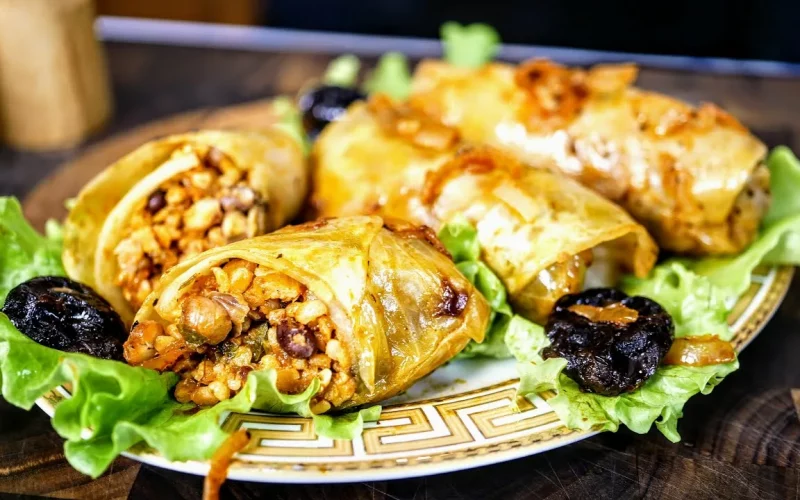
Among the most symbolic dishes in Armenian cuisine is Pasuts Tolma, a unique meatless variation of the famous dolma tradition. Unlike the meat-filled stuffed vegetables commonly associated with dolma across the Middle East and the Caucasus, Pasuts Tolma is entirely plant-based. It combines legumes, grains, herbs, spices, and sometimes dried fruits, wrapped carefully in cabbage or grape leaves and slowly cooked until rich and aromatic.
What makes Pasuts Tolma truly remarkable is not only its flavor, but also its deep spiritual and cultural significance. The dish is strongly connected to Armenian Christian fasting traditions, especially the Great Lent period before Easter. It reflects ideas of humility, endurance, abundance, and communal life while demonstrating how simple ingredients can create extraordinary complexity.
In recent years, Pasuts Tolma has experienced renewed global interest. As people increasingly explore plant-based diets, ancient grains, heritage recipes, and sustainable eating, this centuries-old Armenian dish suddenly feels surprisingly modern. Nutritious, flavorful, and deeply rooted in tradition, Pasuts Tolma represents a perfect intersection of history and contemporary culinary values.
This article explores the origins, symbolism, cultural importance, and enduring legacy of Pasuts Tolma — a dish that tells the story of an entire nation through food.
What Is Pasuts Tolma?
The name “Pasuts Tolma” comes from the Armenian word “pasuts,” which refers to fasting or abstinence from animal products during religious observances. In essence, the name can be translated as “Lenten dolma” or “fasting dolma.”
Traditional Armenian tolma is typically made with minced meat, rice, herbs, and spices wrapped in grape or cabbage leaves. Pasuts Tolma differs fundamentally because it contains no meat whatsoever. Instead, the filling is composed entirely of plant-based ingredients such as beans, lentils, chickpeas, grains, onions, and herbs.
For Armenians, Pasuts Tolma is not merely a vegetarian alternative to classic dolma. It is a distinct ceremonial dish closely associated with spiritual discipline, seasonal fasting, and cultural continuity.
Main Characteristics
The defining feature of Pasuts Tolma is its entirely plant-based composition. The filling traditionally includes:
- Lentils
- Beans
- Chickpeas
- Bulgur or cracked wheat
- Rice
- Onions
- Garlic
- Fresh and dried herbs
- Aromatic spices
In some regional variations, dried fruits such as raisins or apricots are added to create a subtle sweet-and-savory balance.
The filling is traditionally wrapped in:
- Cabbage leaves
- Grape leaves
- Occasionally peppers or eggplants
Once assembled, the tolma is slowly simmered for hours, allowing the ingredients to absorb one another’s flavors and develop remarkable depth.
Why Pasuts Tolma Is Considered Special
Pasuts Tolma is considered unique for several reasons.
First, it is highly nutritious. The combination of legumes and grains creates a protein-rich, fiber-filled meal that provides lasting energy during long fasting periods.
Second, the dish carries strong symbolic meaning. Beans and grains have historically represented abundance, fertility, and continuity of life in Armenian culture.
Third, Pasuts Tolma demonstrates one of the most fascinating characteristics of Armenian cuisine: the ability to create profound flavor complexity from humble ingredients. Despite the absence of meat, the dish develops deep earthy, herbal, tangy, and slightly sweet notes through slow cooking and careful seasoning.
Its seasonal and ceremonial importance further elevates its status within Armenian culinary heritage.
The Origins and History of Pasuts Tolma
The origins of Pasuts Tolma can be traced back to the ancient agricultural traditions of the Armenian Highlands. This region was one of the earliest centers of grain cultivation and legume farming in human civilization. Archaeological evidence suggests that lentils, wheat, barley, and beans were cultivated in these lands thousands of years ago.
In mountainous environments with harsh winters, foods that could be dried, stored, and preserved became essential. Legumes and grains formed the backbone of daily nutrition, while herbs and preserved vegetables provided flavor and medicinal value.
The tradition of stuffing vegetables and leaves likely emerged as both a practical and culinary innovation. Wrapping fillings in grape or cabbage leaves helped preserve moisture and flavor during slow cooking while making efficient use of available ingredients.
Religious Influence and Christian Traditions
Armenia became the first nation in the world to officially adopt Christianity in the early fourth century. This transformation deeply influenced every aspect of Armenian life, including food culture.
Fasting plays a major role in the Armenian Apostolic Church. Throughout the year, believers observe numerous fasting periods during which meat, dairy, and other animal products are restricted.
Within this religious framework, dishes like Pasuts Tolma gained tremendous cultural importance. They allowed families to follow spiritual obligations while still preparing hearty and satisfying meals.
Over time, fasting cuisine evolved into a sophisticated culinary tradition of its own rather than merely a set of dietary restrictions.
Pasuts Tolma During Lent
Pasuts Tolma is especially associated with Great Lent, the sacred period leading up to Easter. Traditionally, Lent is viewed as a time of spiritual reflection, humility, self-discipline, and purification.
Preparing Pasuts Tolma often became a ritual in itself. Families soaked beans overnight, prepared leaves by hand, mixed spices carefully, and gathered together to assemble dozens of stuffed rolls.
The process could take many hours and frequently involved multiple generations working side by side. Children learned recipes from mothers and grandmothers through observation and participation rather than written instructions.
In many households, the making of Pasuts Tolma became an annual family tradition tied directly to the rhythms of the religious calendar.
Regional Evolution Through the Centuries
As Armenian communities spread across different regions over centuries, Pasuts Tolma developed numerous regional variations.
In Western Armenia, recipes often incorporated more spices and dried fruits, producing richer sweet-savory flavors influenced by broader Middle Eastern culinary traditions.
In Eastern Armenia, versions tended to emphasize legumes, grains, herbs, and earthy flavors with simpler seasoning profiles.
Historical upheavals, including the Armenian Genocide and large-scale migrations, dispersed Armenian communities throughout the world. Yet families carried their culinary traditions with them to Lebanon, Syria, France, Russia, the United States, and beyond.
Because of the Armenian diaspora, many ancient versions of Pasuts Tolma survived despite displacement and cultural disruption.
Cultural Importance in Armenian Society
For many Armenians, Pasuts Tolma is inseparable from family life and collective memory. It is rarely prepared alone because the process itself encourages gathering and cooperation.
Recipes are often passed down through generations, with every family preserving its own distinctive methods and flavor preferences. Some households add more mint, others prefer chickpeas, while some use secret spice blends known only within the family.
These culinary traditions become part of family identity and help maintain emotional continuity between generations.
Symbolism of Ingredients
The ingredients in Pasuts Tolma carry symbolic meaning beyond their nutritional value.
Beans and legumes traditionally symbolize abundance, prosperity, and resilience. Grains represent fertility, continuity, and the cycle of life.
The herbs and spices used in the dish also reflect Armenia’s connection to its mountainous landscape. Thyme, mint, coriander, and other native herbs have long been valued not only for flavor but also for their healing and preservative properties.
Even the act of wrapping the filling in leaves is sometimes interpreted symbolically — representing protection, warmth, and the preservation of family unity.
Pasuts Tolma at Celebrations and Gatherings
Although Pasuts Tolma is strongly associated with fasting periods, its role extends far beyond religious observance.
The dish frequently appears at:
- Religious feasts
- Winter family dinners
- Community gatherings
- Church events
- Cultural celebrations
In many Armenian villages and diaspora communities, preparing large quantities of tolma remains a communal activity that strengthens social bonds and reinforces shared heritage.
Especially within diaspora churches and cultural centers, Pasuts Tolma serves as both food and cultural expression.
The Dish as a Cultural Identity Marker
For Armenians living outside their homeland, Pasuts Tolma often becomes a powerful symbol of identity and memory.
Food serves as one of the most accessible ways to preserve language, tradition, and connection to ancestors. Even Armenians born generations after migration frequently maintain cultural ties through family recipes and holiday meals.
The aroma of simmering cabbage leaves, herbs, and legumes can evoke memories of grandparents, childhood gatherings, and ancestral homes.
Today, Pasuts Tolma is increasingly appreciated not only by Armenians but also by global food enthusiasts interested in heritage cuisine, plant-based traditions, and ancient culinary practices. The dish stands as a remarkable example of how traditional food can remain deeply relevant in the modern world while continuing to tell the story of a nation.
Traditional Ingredients Used in Pasuts Tolma
Legumes form the heart of Pasuts Tolma. They provide the dish with substance, nutrition, texture, and its characteristic earthy flavor. In traditional Armenian cooking, beans and lentils were highly valued because they could be stored for long periods and served as reliable sources of protein during fasting seasons.
The most commonly used legumes include:
- Red beans
- Chickpeas
- Lentils
- White beans
Each ingredient contributes something unique to the final dish.
Red Beans
Red beans add richness and density to the filling. Their soft texture blends beautifully with grains while creating a hearty consistency. In many regions, red beans are considered essential because they provide depth and a slightly sweet undertone after slow cooking.
Chickpeas
Chickpeas contribute a nutty flavor and firmer texture. They also help create a more satisfying bite, especially in versions made for large family meals during winter fasting periods.
Lentils
Lentils are among the oldest cultivated foods in the Armenian Highlands. They cook relatively quickly and absorb spices exceptionally well. Brown or green lentils are often preferred because they hold their shape during simmering.
White Beans
White beans create creaminess and softness within the filling. Their mild flavor balances stronger herbs and spices while adding nutritional richness.
Nutritional Role
During Lent, Pasuts Tolma served as a complete and nourishing meal. The combination of legumes and grains provided protein, complex carbohydrates, fiber, iron, and essential minerals at a time when animal products were avoided.
For centuries, this nutritional balance helped Armenian families endure long winters and extended fasting periods.
Flavor and Texture Contribution
The diversity of legumes creates a layered texture that distinguishes Pasuts Tolma from simpler stuffed dishes. Some beans remain slightly firm, others become creamy, while lentils bind the filling together. This complexity gives the dish remarkable depth despite its humble ingredients.
Grains
Grains are equally important in Pasuts Tolma, adding body, structure, and historical continuity to the dish.
Traditional grains include:
- Bulgur
- Rice
- Cracked wheat
Bulgur
Bulgur is one of the most iconic ingredients in Armenian cuisine. Made from parboiled cracked wheat, it has been used for centuries throughout the Armenian Highlands.
In Pasuts Tolma, bulgur contributes a nutty aroma and slightly chewy texture. It absorbs the juices of the herbs, spices, and vegetables while maintaining its structure during cooking.
Rice
Rice creates softness and balance in the filling. It helps unify the mixture and gives the tolma a smoother consistency. In some families, rice is used sparingly alongside bulgur, while in others it forms a larger proportion of the filling.
Cracked Wheat
Cracked wheat represents one of the oldest staple foods in Armenian culinary history. It reflects the agricultural traditions of mountain communities where wheat cultivation played a central role in survival and economy.
Historical Importance in Armenian Cooking
For thousands of years, grains formed the foundation of Armenian nutrition. Wheat, barley, and bulgur appeared in soups, porridges, breads, and ceremonial dishes.
Their inclusion in Pasuts Tolma reflects both practicality and symbolism. Grains represented fertility, continuity, and the hope for abundance in future harvests.
Regional Preferences
Different Armenian regions developed distinct preferences regarding grain usage.
- Eastern Armenian recipes often emphasize bulgur and cracked wheat.
- Western Armenian variations may include more rice and softer textures.
- Mountain villages sometimes used coarser grains for a more rustic style.
These differences demonstrate how geography and local agriculture shaped Armenian culinary traditions over time.
Herbs and Aromatics
Herbs and aromatics give Pasuts Tolma its unmistakable fragrance and freshness. Without meat or heavy fats, the dish relies heavily on herbs to create complexity and balance.
Common herbs include:
- Cilantro
- Parsley
- Mint
- Dill
These are combined with:
- Onions
- Garlic
Cilantro
Cilantro adds brightness and a slightly citrusy freshness that lifts the earthy flavors of legumes and grains.
Parsley
Parsley contributes herbal depth and a clean, green flavor that balances heavier ingredients.
Mint
Mint is particularly important in many traditional versions. It introduces cooling aromatic notes and creates contrast with the richness of beans and grains.
Dill
Dill provides delicate sweetness and subtle complexity. In some regional recipes, dill becomes one of the dominant herb flavors.
Onions
Slow-cooked onions form the savory foundation of the filling. They add sweetness, moisture, and richness while helping unify the ingredients.
Garlic
Garlic brings warmth and intensity. Depending on regional preferences, it may be used subtly or generously.
Balance of Freshness and Earthiness
The careful balance between fresh herbs and earthy legumes defines the flavor identity of Pasuts Tolma. Armenian cooks traditionally adjusted herb proportions according to season, climate, and family preference.
This herbal complexity transforms the dish from simple peasant food into something deeply aromatic and sophisticated.
Spices
Although Armenian cuisine is not overwhelmingly spicy, spices play an essential role in creating warmth and depth in Pasuts Tolma.
Traditional spices include:
- Black pepper
- Paprika
- Allspice
- Sumac
Black Pepper
Black pepper adds gentle heat and enhances the savory qualities of the legumes.
Paprika
Paprika contributes mild sweetness, color, and subtle smokiness depending on the variety used.
Allspice
Allspice is especially important in many Western Armenian recipes. Its warm, slightly sweet aroma complements dried fruits and herbs beautifully.
Sumac
Sumac introduces acidity and brightness. Its tangy flavor helps balance the richness of beans and grains while adding complexity to the overall profile.
Traditional Spice Combinations
Armenian cooks often create highly personal spice blends passed down through generations. Some recipes emphasize sweetness and warmth, while others highlight herbal freshness and earthy flavors.
The spice profile of Pasuts Tolma demonstrates Armenia’s historical position at the crossroads of trade routes connecting East and West.
Dried Fruits and Nuts (Optional)
Some traditional versions of Pasuts Tolma include dried fruits and nuts, especially in Western Armenian and festive preparations.
Common additions include:
- Raisins
- Dried apricots
- Walnuts
Raisins
Raisins provide bursts of sweetness that contrast beautifully with savory spices and legumes.
Dried Apricots
Armenia has long been famous for its apricots, and dried apricots add fruity depth and gentle acidity to the filling.
Walnuts
Walnuts contribute richness, texture, and slightly bitter notes that balance sweet ingredients.
Sweet-Savory Balance
The combination of savory legumes and sweet dried fruits reflects a culinary style common throughout historical Armenian cuisine. This balance creates a layered flavor experience that evolves with every bite.
Influence of Silk Road Trade
Armenia’s historical location along major trade routes exposed its cuisine to spices, dried fruits, and culinary techniques from neighboring civilizations.
The inclusion of ingredients such as raisins, apricots, and aromatic spices reflects centuries of cultural exchange connected to Silk Road commerce.
Wrapping Components
The wrapping component is one of the defining visual and structural elements of Pasuts Tolma.
The most common wrappers are:
- Cabbage leaves
- Grape leaves
Cabbage Leaves
Cabbage leaves are especially popular for winter preparation because cabbage stores well in cold climates. Their mild sweetness and tenderness complement hearty fillings beautifully.
Grape Leaves
Grape leaves offer a more delicate texture and tangy flavor. They are commonly used during warmer seasons when fresh vine leaves are available.
Preparation Methods
Before rolling, the leaves must be softened carefully.
- Cabbage leaves are typically blanched in boiling water until flexible.
- Grape leaves may be soaked, rinsed, or lightly boiled depending on whether they are fresh or preserved.
Choosing the Best Leaves
Experienced cooks select leaves based on size, thickness, and tenderness.
The ideal leaves should:
- Be flexible without tearing
- Have smooth surfaces
- Be large enough for easy rolling
- Maintain structure during long simmering
Mastering leaf preparation is considered one of the most important skills in making authentic Pasuts Tolma.
How Traditional Pasuts Tolma Is Prepared
Preparing Pasuts Tolma is a slow and careful process that reflects the patience central to traditional Armenian cooking.
Soaking Legumes
Beans and chickpeas are usually soaked overnight to soften them and reduce cooking time. This also improves texture and digestibility.
Cooking Grains Separately
Bulgur, rice, or cracked wheat are partially cooked separately before being mixed with legumes. This prevents uneven cooking inside the tolma.
Combining Ingredients Correctly
The filling must be balanced carefully so that no ingredient dominates. Herbs, onions, legumes, grains, and spices are folded together gently to maintain texture.
Proper Seasoning Techniques
Seasoning is traditionally done gradually. Armenian cooks often taste the mixture multiple times before rolling the tolma to ensure harmony between earthy, herbal, savory, and acidic notes.
Preparing the Leaves
The leaves require careful preparation to avoid tearing during rolling and cooking.
Blanching Cabbage
Cabbage heads are softened by briefly boiling them. Individual leaves are then separated carefully and trimmed if necessary.
Softening Grape Leaves
Fresh grape leaves are lightly blanched, while preserved leaves are rinsed to remove excess salt.
Preventing Tearing
Overcooking leaves can make them fragile, while undercooking leaves makes rolling difficult. Achieving the proper texture is considered an important sign of culinary skill.
Rolling Techniques
Rolling Pasuts Tolma is traditionally done entirely by hand.
Traditional Hand-Rolling Methods
A small amount of filling is placed near the center of the leaf, which is then folded tightly into compact rolls.
Size and Shape Variations
Some families prefer thin, delicate rolls, while others create larger rustic versions. Regional customs often determine preferred size and appearance.
Common Beginner Mistakes
Typical mistakes include:
- Overfilling the leaves
- Rolling too loosely
- Tearing delicate wrappers
- Uneven sizing
Proper rolling ensures that the tolma cooks evenly and retains its shape.
Layering and Cooking
Cooking Pasuts Tolma requires patience and attention.
Pot Arrangement Techniques
The bottom of the pot is often lined with extra cabbage or grape leaves to prevent burning.
The tolma rolls are arranged tightly in layers to keep them stable during simmering.
Use of Plates or Weights
A heavy plate is commonly placed on top of the tolma inside the pot. This traditional technique prevents the rolls from unraveling while cooking.
Slow Simmering Process
Pasuts Tolma is simmered slowly for an extended period, allowing flavors to blend deeply. The slow cooking process transforms simple ingredients into a rich and harmonious dish.
Traditional Serving Methods
Pasuts Tolma is usually served warm rather than piping hot, allowing the flavors to fully develop.
Traditional accompaniments include:
- Garlic yogurt
- Pickled vegetables
- Lavash bread
- Fresh herbs
The contrast between warm tolma, cool yogurt, acidic pickles, and soft lavash creates a balanced and deeply satisfying meal.
Regional Variations of Pasuts Tolma
Eastern Armenian versions of Pasuts Tolma tend to emphasize legumes and grains more heavily.
These recipes are often heartier and earthier, with simpler spice profiles focused on black pepper, herbs, and onions.
Bulgur is especially common in Eastern Armenian preparations.
Western Armenian Versions
Western Armenian Pasuts Tolma often reflects Mediterranean culinary influences.
These variations may include:
- More olive oil
- Larger quantities of herbs
- Dried fruits
- Sweeter spice combinations
The resulting flavor profile is frequently lighter, more aromatic, and slightly sweeter.
Artsakh and Mountainous Regional Styles
In mountainous areas such as Artsakh, Pasuts Tolma is often prepared in a rustic style using locally gathered herbs and wild plants.
These versions emphasize seasonal ingredients and traditional village cooking methods passed down over centuries.
Wild thyme, mountain mint, and regional greens may all appear in local interpretations.
Diaspora Adaptations
As Armenian communities spread across the world, Pasuts Tolma evolved alongside them.
Distinct diaspora versions emerged in:
- Lebanon
- Syria
- Russia
- France
- The United States
Ingredient Substitutions Abroad
Armenian families abroad often adapted recipes according to ingredient availability. Different beans, local herbs, or alternative leaves were sometimes used while preserving the spirit of the dish.
Fusion Interpretations
Modern chefs and younger generations occasionally reinterpret Pasuts Tolma through contemporary culinary trends, incorporating global flavors or presenting the dish in innovative ways.
Despite these adaptations, the essence of Pasuts Tolma remains unchanged: a deeply symbolic meal that connects Armenians to their history, faith, and collective memory.
Nutritional Value and Health Benefits
Although Pasuts Tolma was originally created within the context of religious fasting, it is also an exceptionally nutritious dish. Its carefully balanced combination of legumes, grains, herbs, and vegetables provides a broad range of essential nutrients while remaining naturally satisfying and filling.
High Protein Content From Legumes
One of the greatest nutritional strengths of Pasuts Tolma is its high plant-based protein content. Beans, lentils, and chickpeas are rich in protein, making the dish especially valuable during fasting periods when meat and dairy are excluded from the diet.
The combination of multiple legumes improves the amino acid profile of the meal, creating a more balanced source of nutrition. For centuries, this helped Armenian families maintain energy and strength during long religious fasts and harsh winters.
Fiber-Rich Composition
Pasuts Tolma is naturally high in dietary fiber due to its abundance of legumes, grains, and vegetables. Fiber plays an important role in digestion, blood sugar regulation, and long-term cardiovascular health.
The fiber-rich nature of the dish also contributes to prolonged satiety, helping people feel full for longer periods after eating.
Slow Carbohydrates
The grains used in Pasuts Tolma — especially bulgur and cracked wheat — provide slow-digesting carbohydrates. Unlike refined carbohydrates, these ingredients release energy gradually, supporting stable blood sugar levels and sustained energy throughout the day.
This slow-release energy was particularly important for agricultural communities and individuals observing strict fasting practices.
Benefits for Plant-Based Diets
In the modern world, Pasuts Tolma aligns naturally with contemporary plant-based nutrition trends.
Vegan and Vegetarian Suitability
Because it contains no animal products, Pasuts Tolma is fully suitable for:
- Vegan diets
- Vegetarian diets
- Dairy-free diets
- Plant-focused Mediterranean eating patterns
Unlike many modern vegan dishes designed as substitutes for meat-based meals, Pasuts Tolma originated organically as a complete plant-based recipe centuries ago.
Natural Source of Micronutrients
The dish contains a wide variety of vitamins and minerals, including:
- Iron
- Magnesium
- Potassium
- Folate
- B vitamins
- Antioxidants
Fresh herbs contribute additional micronutrients while spices and garlic provide beneficial plant compounds associated with anti-inflammatory properties.
Because the dish incorporates multiple ingredient groups, it delivers nutritional diversity without relying on heavily processed foods.
Digestive and Cardiovascular Benefits
Traditional Armenian cuisine often developed around practical understandings of health and bodily balance, even before modern nutritional science existed.
Low Saturated Fat
Pasuts Tolma is naturally low in saturated fat because it contains no meat or animal fat. This makes it compatible with heart-conscious diets and modern nutritional recommendations focused on reducing excessive saturated fat intake.
Gut Health Advantages
The combination of fiber-rich legumes, grains, herbs, and fermented accompaniments such as pickled vegetables supports digestive health and beneficial gut bacteria.
Slow cooking also helps soften legumes and grains, improving digestibility and nutrient absorption.
Cholesterol-Friendly Properties
Because Pasuts Tolma contains no cholesterol and is rich in soluble fiber from beans and lentils, it may help support healthy cholesterol levels as part of a balanced diet.
Its emphasis on whole foods, herbs, and minimally processed ingredients reflects many principles now associated with longevity-focused eating patterns.
Traditional Wisdom and Seasonal Eating
Long before nutrition became a scientific field, Armenian communities understood the importance of seasonal and functional eating.
Why the Dish Was Ideal for Winter and Fasting Periods
Pasuts Tolma was especially valuable during winter months because its ingredients stored well and provided dense nourishment when fresh produce was limited.
Dried beans, grains, onions, herbs, and preserved leaves could all be kept for long periods, making the dish practical during cold seasons.
Energy and Satiety During Religious Fasting
Religious fasting required meals that could sustain physical labor and daily life without relying on animal products.
The protein, fiber, and slow carbohydrates in Pasuts Tolma created lasting fullness and stable energy levels, helping people endure lengthy fasting periods both physically and spiritually.
The dish reflects a remarkable example of traditional nutritional wisdom developed through centuries of lived experience.
Pasuts Tolma in Modern Cuisine
In recent decades, Armenian cuisine has gained increasing international recognition as chefs, historians, and food enthusiasts rediscover ancient regional recipes.
Pasuts Tolma has become part of a broader revival of traditional Armenian foods that emphasize:
- Heritage ingredients
- Slow cooking techniques
- Seasonal eating
- Cultural storytelling through food
Global Interest in Heritage Cuisine
Modern diners increasingly seek authenticity, history, and cultural depth in culinary experiences. Ancient dishes like Pasuts Tolma offer a direct connection to centuries-old traditions while aligning with modern interests in sustainability and plant-based nutrition.
Restaurant Reinterpretations
Armenian restaurants around the world have begun reintroducing Pasuts Tolma to contemporary audiences, often presenting it with refined techniques while preserving its traditional essence.
Some chefs modernize presentation styles while maintaining the classic combination of legumes, grains, herbs, and leaves.
Vegan and Vegetarian Popularity
The global rise of veganism and vegetarianism has contributed significantly to renewed interest in Pasuts Tolma.
Why Modern Audiences Appreciate the Dish
Modern eaters value Pasuts Tolma because it is:
- Naturally vegan
- Nutrient-dense
- Rich in flavor
- Historically authentic
- Environmentally sustainable
Unlike highly processed plant-based products, Pasuts Tolma relies entirely on traditional whole-food ingredients.
Role in Contemporary Plant-Based Trends
As more people move toward Mediterranean-style and plant-forward diets, Pasuts Tolma fits naturally into modern wellness culture.
Its emphasis on legumes, grains, herbs, and slow cooking mirrors many principles promoted in contemporary nutrition science.
Fine Dining Interpretations
High-end chefs have also begun exploring Armenian cuisine through the lens of modern gastronomy.
Gourmet Plating Styles
Some contemporary restaurants serve Pasuts Tolma in elegant minimalist presentations featuring:
- Delicately rolled leaves
- Herb oils
- Fermented sauces
- Decorative microgreens
- Artistic plating techniques
These presentations elevate the visual experience while preserving traditional flavors.
Deconstructed Versions
Certain chefs experiment with “deconstructed” interpretations, separating the components of the dish into individually highlighted textures and flavors.
Although controversial among purists, these versions introduce Pasuts Tolma to broader culinary audiences.
Michelin-Level Armenian Cuisine Trends
As Armenian cuisine receives increasing recognition in international fine dining circles, chefs are using dishes like Pasuts Tolma to demonstrate the sophistication and historical depth of Armenian culinary traditions.
The dish has become a symbol of how ancient peasant food can evolve into modern haute cuisine without losing its cultural identity.
Social Media and Culinary Tourism
Digital media has played a major role in introducing Pasuts Tolma to international audiences.
Food Bloggers and Armenian Cuisine
Food bloggers, chefs, and culinary historians frequently feature Pasuts Tolma in articles and videos exploring traditional Armenian cooking.
Its visually appealing preparation process — especially the rolling and layering techniques — makes it highly engaging for food-focused content.
Cultural Storytelling Through Cooking Videos
Cooking videos often use Pasuts Tolma as a gateway to broader discussions about:
- Armenian history
- Christian fasting traditions
- Family rituals
- Diaspora identity
- Regional ingredients
In this way, the dish functions not only as food but also as a powerful form of cultural storytelling.
Comparing Pasuts Tolma to Other Stuffed Dishes
Although Pasuts Tolma belongs to the broader dolma family, it differs significantly from classic meat-based versions.
Flavor
Traditional meat dolma tends to emphasize richness, fat, and savory depth from lamb or beef.
Pasuts Tolma, by contrast, develops a more herbal, earthy, and layered flavor profile centered around legumes, grains, herbs, and spices.
Texture
Meat dolma usually has a softer and denser filling, while Pasuts Tolma offers greater textural variety due to the combination of beans, lentils, bulgur, and rice.
Religious Significance
Perhaps the most important distinction is spiritual. Pasuts Tolma is directly connected to Armenian Christian fasting traditions and carries symbolic meaning associated with Lent, humility, and self-discipline.
Its identity is inseparable from its religious and cultural context.
Comparison With Mediterranean Stuffed Vegetables
Stuffed vegetables appear throughout Mediterranean and Middle Eastern cuisines, but Pasuts Tolma retains unique characteristics.
Greek Dolmades
Greek dolmades are often lighter and heavily focused on rice, olive oil, and lemon flavors.
Pasuts Tolma is generally heartier and more legume-centered.
Turkish Sarma
Turkish sarma shares similarities in rolling techniques and grape leaf usage, but Armenian Pasuts Tolma typically contains a broader mixture of legumes and grains.
The Armenian spice profile also differs substantially.
Middle Eastern Mahshi
Middle Eastern mahshi often includes rice and meat stuffed into vegetables such as zucchini, peppers, or eggplants.
Pasuts Tolma stands apart through its specifically Lenten identity and emphasis on fasting-compatible ingredients.
Unique Armenian Features
Several characteristics make Pasuts Tolma distinctly Armenian.
Legume-Heavy Filling
The extensive use of beans, lentils, and chickpeas creates a uniquely dense and protein-rich filling uncommon in many neighboring stuffed dishes.
Lenten Symbolism
Unlike many regional stuffed vegetable traditions, Pasuts Tolma is deeply tied to religious fasting and Armenian Christian ritual life.
Its role extends far beyond ordinary cuisine into the realm of spiritual and communal tradition.
Distinct Spice Combinations
The combination of herbs, allspice, paprika, mint, garlic, and sometimes dried fruits creates a flavor profile strongly associated with Armenian culinary identity.
Together, these elements make Pasuts Tolma not simply another variation of dolma, but a singular cultural dish that embodies Armenian history, faith, resilience, and culinary artistry.
Common Mistakes When Cooking Pasuts Tolma
Although Pasuts Tolma is made from humble ingredients, preparing it properly requires patience, balance, and attention to detail. Armenian home cooks often say that successful tolma depends not only on the recipe itself, but also on intuition developed through practice and experience.
Understanding common mistakes can help preserve the authentic texture, flavor, and structure of the dish.
Overcooking the Legumes
One of the most frequent mistakes is overcooking beans, lentils, or chickpeas before assembling the tolma.
Because the filling continues cooking during the long simmering process, legumes that are fully softened beforehand may become mushy and lose their texture entirely.
Practical Advice
- Soak beans overnight but cook them only until partially tender.
- Lentils should remain slightly firm before mixing.
- Avoid cooking legumes to the point where they begin breaking apart.
Maintaining some firmness allows the filling to develop proper texture during final cooking.
Incorrect Rice-to-Bean Ratio
Too much rice can make the filling heavy and bland, while too many legumes may create a dense and dry texture.
Traditional Armenian cooks carefully balance grains and beans so that neither dominates the dish.
Practical Advice
- Use grains to support the legumes rather than overpower them.
- Aim for a filling that feels light yet cohesive.
- Test small portions before rolling large batches.
A balanced ratio creates the ideal combination of softness, structure, and flavor complexity.
Using Tough Cabbage Leaves
Improperly prepared cabbage leaves can tear during rolling or remain unpleasantly chewy after cooking.
Leaves that are too thick may also overpower the delicate filling.
Practical Advice
- Blanch cabbage leaves until flexible but not fragile.
- Trim thick stems carefully using a small knife.
- Select medium-sized tender leaves whenever possible.
Experienced Armenian cooks often reserve the softest inner leaves for the most delicate tolma rolls.
Underseasoning the Filling
Because Pasuts Tolma contains no meat, seasoning becomes especially important.
Insufficient herbs, garlic, or spices can leave the dish tasting flat and overly starchy.
Practical Advice
- Taste the filling mixture before rolling.
- Use generous amounts of fresh herbs.
- Add seasoning gradually and balance earthy, herbal, and acidic notes.
Many Armenian home cooks intentionally season the filling slightly more strongly before cooking because flavors mellow during simmering.
Improper Rolling Technique
Loose or uneven rolling can cause the tolma to unravel during cooking.
Overstuffing may also tear the leaves and create unevenly cooked rolls.
Practical Advice
- Use small portions of filling.
- Roll firmly but gently.
- Keep rolls consistent in size for even cooking.
Traditional cooks often learn rolling techniques from older family members through years of observation and repetition.
Cooking at Too High a Temperature
Pasuts Tolma should never boil aggressively. High heat can split the leaves, dry out the filling, and destroy the delicate balance of flavors.
Practical Advice
- Simmer slowly over low heat.
- Use a heavy pot for even temperature distribution.
- Place a plate or weight on top of the tolma to prevent movement.
Patience is essential. Slow cooking allows the ingredients to merge gradually into a harmonious dish.
Authentic Recipe: Step-by-Step Traditional Pasuts Tolma
Full Ingredient List
For the Filling
- 1 cup red beans
- 1 cup chickpeas
- 1 cup lentils
- 1 cup bulgur or cracked wheat
- ½ cup rice
- 2 large onions, finely chopped
- 4 cloves garlic, minced
- 1 bunch parsley, chopped
- 1 bunch cilantro, chopped
- Fresh mint or dried mint
- Fresh dill
- 2 tablespoons tomato paste
- Black pepper
- Paprika
- Allspice
- Salt
- Olive oil
Optional Additions
- Raisins
- Chopped walnuts
- Dried apricots
For Wrapping
- 1 large cabbage or
- 40–50 grape leaves
Preparation Timeline
Traditional Pasuts Tolma is not a quick dish. Preparation often takes an entire day.
Typical Timeline
- Overnight: soak beans and chickpeas
- Morning: cook legumes and prepare leaves
- Midday: prepare filling and roll tolma
- Afternoon: slow simmering process
- Evening: resting and serving
Many Armenian families treat the preparation itself as a communal event.
Detailed Cooking Instructions
Step 1: Prepare the Legumes
Soak beans and chickpeas overnight.
The next day, boil them until partially tender. Cook lentils separately until slightly firm.
Drain and allow to cool.
Step 2: Prepare the Grains
Cook bulgur and rice separately until partially softened.
Avoid overcooking since they will continue cooking inside the tolma.
Step 3: Prepare the Filling
In a large bowl, combine:
- Legumes
- Grains
- Herbs
- Garlic
- Onions
- Tomato paste
- Olive oil
- Spices
Mix gently to preserve texture.
Step 4: Prepare the Leaves
Blanch cabbage leaves briefly in boiling water until flexible.
If using grape leaves, rinse and soften them carefully.
Trim thick stems if necessary.
Step 5: Roll the Tolma
Place a small amount of filling in the center of each leaf.
Fold the sides inward and roll tightly into compact cylinders.
Step 6: Arrange in the Pot
Line the bottom of a heavy pot with extra leaves.
Arrange tolma tightly in layers.
Place a plate on top to prevent movement during cooking.
Step 7: Slow Cooking
Add water or light vegetable broth until partially covering the tolma.
Simmer gently for 1.5–2.5 hours over low heat.
Step 8: Rest Before Serving
Allow the tolma to rest for at least 20–30 minutes before serving so flavors can fully settle.
Tips From Armenian Home Cooks
Traditional Armenian cooks often share practical wisdom passed down through generations.
Common Home-Cooking Tips
- Tolma tastes even better the next day.
- Use more herbs than you think necessary.
- Never rush the simmering process.
- Slight acidity improves balance — some cooks add a little lemon juice or sumac.
- Arrange rolls tightly to maintain structure.
Many grandmothers also insist that tolma should always be prepared with patience and calmness because mood and energy are believed to influence the final result.
Storage and Reheating Recommendations
Pasuts Tolma stores exceptionally well.
Refrigeration
- Store in airtight containers for up to 5 days.
- Flavors deepen significantly after resting overnight.
Freezing
The dish can also be frozen successfully for several months.
Reheating
- Reheat slowly over low heat.
- Add a small amount of water to prevent drying.
- Avoid microwaving at high temperatures if possible.
Slow reheating helps preserve texture and flavor.
What to Serve With Pasuts Tolma
Traditional Armenian Side Dishes
Pasuts Tolma is often accompanied by fresh, acidic, and herbal side dishes that balance its earthy richness.
Pickles
Armenian pickled vegetables provide acidity and crunch that contrast beautifully with the soft texture of the tolma.
Common options include:
- Pickled cabbage
- Cucumbers
- Green peppers
- Mixed village pickles
Fresh Salads
Simple salads made from tomatoes, cucumbers, herbs, and onions add freshness and brightness.
Roasted Vegetables
Roasted eggplants, peppers, and tomatoes complement the smoky and earthy flavors of the dish.
Sauces and Condiments
Matsoni Yogurt Sauce
Matsoni, a traditional Armenian fermented yogurt, is often mixed with garlic and herbs to create a cooling sauce.
Garlic Sauce
A stronger garlic sauce provides sharpness and aromatic intensity.
Herb Oils
Modern interpretations sometimes include herb-infused olive oils made with dill, mint, parsley, or coriander.
Bread Pairings
Bread plays an essential role in Armenian dining culture.
Lavash
Lavash, Armenia’s iconic thin flatbread, is the most traditional accompaniment.
Its soft texture pairs perfectly with warm tolma.
Matnakash
Matnakash, a thicker Armenian bread with a soft interior and golden crust, offers a heartier pairing.
Homemade Village Bread
Rustic homemade breads baked in traditional ovens remain popular in rural communities.
Beverage Pairings
Armenian Wine
Armenia’s ancient winemaking tradition pairs naturally with traditional cuisine.
Light red wines and dry rosés complement the earthy herbal flavors of Pasuts Tolma.
Herbal Teas
Mountain herb teas made from thyme, mint, chamomile, or wild herbs are commonly served during fasting seasons.
Tan (Yogurt Drink)
Tan, a refreshing yogurt-based drink, balances the richness and spices of the dish beautifully.
Pasuts Tolma and Armenian Identity
Food as Cultural Memory
For Armenians, food often functions as a form of historical memory.
Pasuts Tolma carries stories of villages, grandparents, church traditions, migrations, and family gatherings. The dish preserves emotional connections to places and experiences that may no longer physically exist.
Cooking traditional food becomes an act of remembering.
Recipes Passed Through Generations
Many Armenian families never wrote down their Pasuts Tolma recipes.
Instead, techniques and proportions were passed orally through generations by watching, helping, tasting, and repeating.
This method of transmission transformed cooking into a deeply personal and familial experience.
The Dish in Diaspora Communities
For diaspora Armenians, Pasuts Tolma often serves as a direct connection to ancestral identity.
Families who lost homes, villages, or communities preserved fragments of their heritage through recipes and shared meals.
In many diaspora households, preparing Pasuts Tolma remains an important cultural ritual during holidays and religious observances.
Preservation of Culinary Heritage
Traditional dishes like Pasuts Tolma play a major role in preserving Armenian cultural heritage.
Emotional Importance of Traditional Foods
The smells, textures, and rituals associated with traditional cooking evoke powerful emotions connected to childhood, family, and belonging.
Role of Cuisine in Maintaining National Identity
Cuisine helps maintain continuity across generations and geographic borders.
Even far from Armenia, traditional food allows communities to preserve language, customs, and collective memory.
Pasuts Tolma therefore represents not only a recipe, but also a living expression of Armenian resilience and identity.
The Future of Pasuts Tolma
Interest Among Younger Generations
Younger Armenians are increasingly rediscovering traditional cuisine as part of a broader interest in cultural roots and identity.
Cooking ancestral dishes has become a way to reconnect with family history while adapting traditions to modern lifestyles.
Social media, culinary schools, and food festivals have all contributed to this renewed enthusiasm.
Sustainable and Plant-Based Food Trends
Modern concerns about sustainability and health have made dishes like Pasuts Tolma especially relevant.
Its reliance on legumes, grains, herbs, and seasonal ingredients aligns closely with contemporary environmental and nutritional priorities.
Many chefs now view traditional Armenian fasting cuisine as an early example of sustainable eating.
Armenian Cuisine on the Global Stage
Armenian cuisine is gradually receiving greater international recognition.
As global audiences become more interested in lesser-known culinary traditions, dishes like Pasuts Tolma help showcase the sophistication and historical richness of Armenian food culture.
Food tourism, documentaries, and international Armenian restaurants continue expanding awareness worldwide.
Preserving Authentic Recipes in a Modern World
Modernization inevitably changes culinary traditions, but many Armenian cooks remain committed to preserving authenticity.
Families, chefs, historians, and cultural organizations are increasingly documenting old recipes, regional variations, and oral traditions to ensure they survive for future generations.
The challenge lies in balancing innovation with respect for historical identity.
Pasuts Tolma is far more than a traditional stuffed vegetable dish. It represents centuries of Armenian history, spirituality, agricultural knowledge, and cultural resilience.
Through its humble ingredients — beans, grains, herbs, and leaves — the dish tells a story of survival, faith, family, and continuity. It reflects the importance of fasting traditions in Armenian Christianity while also demonstrating the extraordinary sophistication of Armenian plant-based cuisine.
Over generations, Pasuts Tolma became a symbol of hospitality, communal life, and emotional connection to home. Whether prepared in a mountain village in Armenia or in a diaspora kitchen thousands of miles away, the dish continues to unite people through shared memory and tradition.
Today, as the world increasingly values heritage foods, sustainability, and plant-based cooking, Pasuts Tolma feels more relevant than ever. It stands as a reminder that some of the most meaningful culinary traditions are built not on luxury, but on patience, simplicity, and cultural memory.
For anyone interested in discovering Armenian cuisine, cooking Pasuts Tolma is not simply preparing a meal — it is experiencing a living piece of history.
Come to Armenia and experience Pasuts Tolma where it truly belongs — in the warmth of Armenian homes, around family tables, and within a culture where every bite carries centuries of history, hospitality, and tradition.





75 Responses
https://shorturl.fm/RB8cr
https://shorturl.fm/QERL9
https://shorturl.fm/G4WLj
https://shorturl.fm/kO9Xm
https://shorturl.fm/4hP1A
https://shorturl.fm/Vn4xF
https://shorturl.fm/ppPQt
https://shorturl.fm/fCqrN
https://shorturl.fm/TTg3i
Checking out smbet casino. Looking for a solid online casino with good bonuses and a variety of games. Hoping to find a new favorite I sure hope it meets my standards. smbet casino
I tried out vsp777game. I can say it’s worth trying especially with its simple interface and fast loading speeds. You can check their site at vsp777game.
Been messing around on winmxn and it’s pretty decent. Nothing groundbreaking, but solid gameplay. Head to winmxn if you need a time killer.
https://shorturl.fm/UEAX3
https://shorturl.fm/LglpC
https://shorturl.fm/jfbsM
https://shorturl.fm/HoKTU
https://shorturl.fm/oLTAO
https://shorturl.fm/yvX33
https://shorturl.fm/g6yow
https://shorturl.fm/zMLzZ
https://shorturl.fm/l2RyO
https://shorturl.fm/b3Uag
https://shorturl.fm/Uz0OM
https://shorturl.fm/0PiW2
https://shorturl.fm/rK3yQ
https://shorturl.fm/gIxor
https://shorturl.fm/8Dmzz
https://shorturl.fm/jUgGX
https://shorturl.fm/77SR7
https://shorturl.fm/eOquC
https://shorturl.fm/g8LYh
https://shorturl.fm/qQcZG
https://shorturl.fm/Tv0z7
https://shorturl.fm/UZvSg
https://shorturl.fm/jofxk
https://shorturl.fm/5Vnsr
https://shorturl.fm/ZkW0w
https://shorturl.fm/Y2s0b
https://shorturl.fm/mOhNN
https://shorturl.fm/giwlu
https://shorturl.fm/XUuYF
https://shorturl.fm/9cRc2
https://shorturl.fm/rI0ef
https://shorturl.fm/SG7aD
https://shorturl.fm/suVfX
https://shorturl.fm/O4c5o
https://shorturl.fm/uhaRK
https://shorturl.fm/OCpQ2
https://shorturl.fm/qwfz8
https://shorturl.fm/Rum1S
[5678]btd88 Official Login | বিকাশ ডিপোজিট ও সেরা লাইভ ক্যাসিনো বোনাস,btd88 এর মাধ্যমে সেরা অনলাইন স্লট গেমের নিয়ম জানুন এবং অ্যাপ ডাউনলোড করে সহজেই খেলা শুরু করুন। দ্রুত বিকাশ ডিপোজিট সুবিধা পেতে আজই যোগ দিন। visit: btd88
[1446]jitabat অফিসিয়াল লগইন | বিকাশ পেমেন্ট ও সেরা ক্যাসিনো বোনাস,jitabat অ্যাপ ডাউনলোড করে উপভোগ করুন সেরা স্লট গেমের অভিজ্ঞতা। বিকাশ দিয়ে সহজ পেমেন্ট এবং আকর্ষণীয় অনলাইন ক্যাসিনো বোনাস পেতে আজই যোগ দিন। visit: jitabat
[7668]tk777 Official Login – বিকাশ পেমেন্টে সেরা অনলাইন ক্যাসিনো বোনাস,tk777 অ্যাপ ডাউনলোড করে উপভোগ করুন সেরা স্লট গেম। বিকাশ দিয়ে সহজে পেমেন্ট করুন এবং আকর্ষণীয় বোনাস লুফে নিতে আজই জয়েন করুন। visit: tk777
[8767]shbet | Link Vào Chính Thức – Tải App & Hướng Dẫn Chơi Casino,shbet cung cấp link truy cập an toàn và hỗ trợ tải app nhanh chóng. Khám phá chi tiết luật chơi xóc đĩa cùng cách nạp tiền casino tiện lợi. Tham gia trải nghiệm ngay! visit: shbet
Top notch service and the graphics are amazing. I feel like I have a much better chance of winning here. Check out boga88login for sure.
I appreciate how secure this site feels. My transactions are always processed quickly without any hassle. Big thanks to 666jililogin
Super impressed with the bonus offers they provide for new players. It really gives you a head start. Visit inyoo777 for the best deals.
Solid platform with no lag during peak hours. I love how straightforward the registration process is. I’m sticking with pk988wan from now on.
I have tried many sites but this one stands out for its reliability. Fast withdrawals and great odds. Trust kr789win
Honestly the best slot experience I have had in a while. The graphics are great and the payouts feel fair. I am hooked! mega303slot
Finally found a site that doesn’t lag during peak hours. The login process is seamless and the game variety is impressive. Highly recommended for slot lovers. batikslotlogin
The app version is just fantastic and runs perfectly on my phone. So convenient to play anywhere. Get the 123jiliapp now!
Honestly the best gaming platform I have used in a while. Everything is so intuitive and the rewards are actually fair. Highly recommend vnluk88 to everyone.
The mobile app is a game changer. I can play whenever I have a few spare minutes and the connection is always stable. Best way to access fb777applogin for sure.
[2360]sportsbet বাংলাদেশ লগইন এবং বিকাশ ডিপোজিট ক্যাসিনো গেম,sportsbet লগইন করে বিকাশ দিয়ে ক্যাসিনো ডিপোজিট করুন এবং অনলাইন স্লট গেম কিভাবে খেলে তা জানুন। এখনই অ্যাপ ডাউনলোড করে লাইভ ক্যাসিনো বোনাস নিন। visit: sportsbet
A solid platform with a very fair system. I appreciate the transparency and the wide range of options available. Love 76nbetlogin.
If you are looking for a professional casino experience from home this is it. The graphics are top notch and the gameplay is fair. Visit betpkonlinecasino today.
The app version is just fantastic. I can play on the go without any glitches. If you prefer mobile gaming then bar777app is the way to go.
[4755]iwin: Cara Login dan Slot Online Trusted Malaysia,iwin menawarkan akses mudah download app iwin dan casino deposit guna touch n go. Terokai cara main baccarat online dengan lancar. Daftar sekarang! visit: iwin
Love the variety of games available here. It keeps things exciting and the graphics are really crisp. I’m spending a lot of my free time on bdxx777 lately.
This app is a game changer for me. I can play anytime and anywhere without any lag. Love the layout of 8e884app.
I just downloaded the app and the experience is super smooth. The interface is very intuitive and the games load quickly. Definitely a great choice for anyone looking for a reliable platform. Check out inspin777apk for more details!
Logging in is so quick and the site doesn’t lag at all. I love how easy it is to manage my account here. winjiliphlogin is the way to go.
Downloading this app was the easiest decision I made this year. Everything runs smoothly on my phone and the daily rewards keep me coming back. It has quickly become my go to spot for casual spins and reliable service. Thank you for making gaming enjoyable again. ecuabetdescargarec
I’ve been trying out a few sites lately and this one really stands out. The interface is smooth and the payouts are surprisingly fast. Highly recommend checking out ph878ph if you want a reliable spot.